
An Essential Hospital IV Equipment List
Intravenous (IV) equipment is used to administer fluids and medicines via a piece of tubing directly into the bloodstream via a vein. IV equipment commonly uses gravity to deliver fluid via a bag into a vein in the hand or arm. See the diagram for the usual IV administration set-up.

What equipment is needed for an IV infusion?
See a list of the most common injection equipment names and uses here.
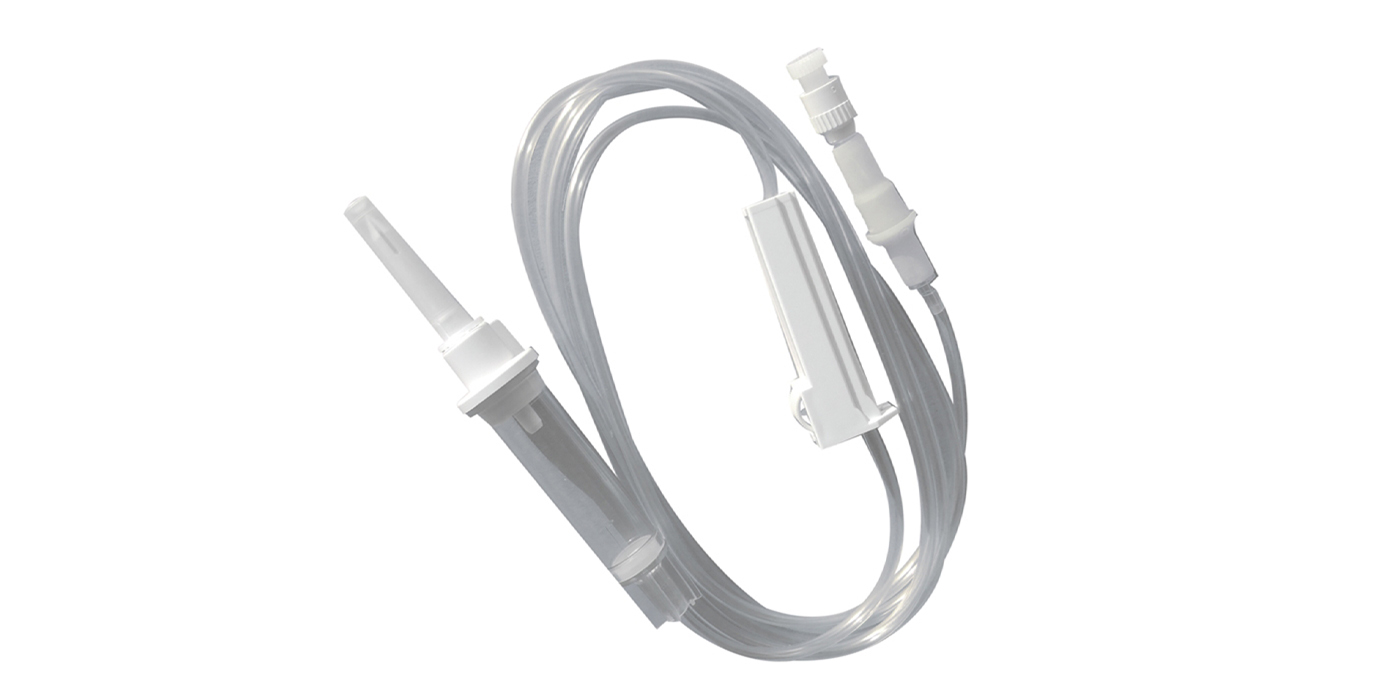
Primary IV Tubing
A section of tubing used to facilitate continuous or intermittent infusion of medication or fluids. Primary IV tubing consists of the following:
- A backcheck valve which prevents the fluid from travelling back up the tubing into the IV bag.
- Access ports which can introduce secondary IV tubing and give IV push medications.
- A roller clamp which controls the speed of a gravity infusion.
A primary IV tubing set will connect to an IV bag at the top and a piece of extension tubing which is then connected to the vein via a cannula in the arm or hand.
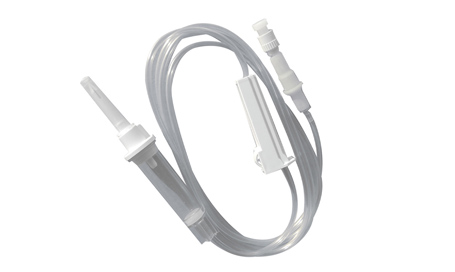
Secondary IV Tubing
Secondary IV infusion is the intermittent administration of a secondary medication at regular intervals. Secondary IV tubing is shorter than primary IV tubing and does not feature a backcheck valve. It is connected to a primary IV tubing line via an access port.
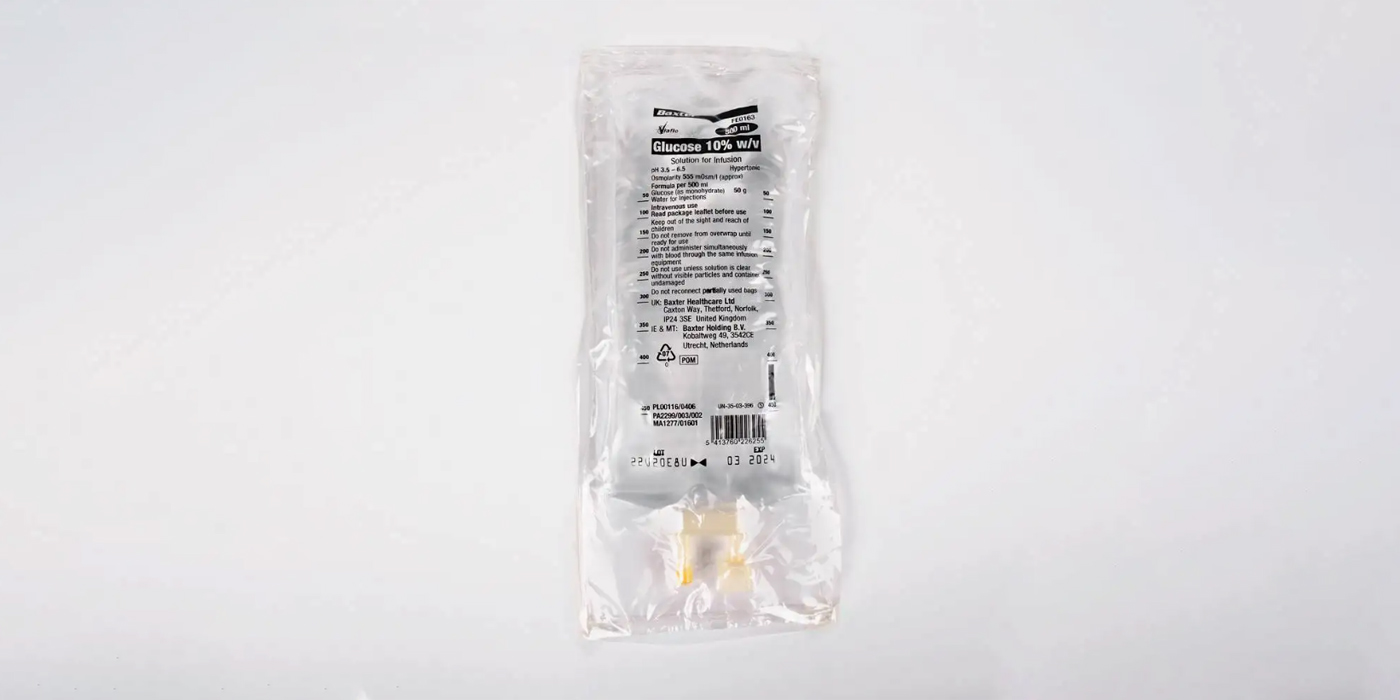
IV Bags
Fluids, medications, and blood transfusions come in IV bags ready to be hooked up to a primary or secondary IV tubing set. IV bags should have the date, time, and initials of the nurse written on them when they are set up. If an IV bag has been open for longer than 24 hours, it is considered out of date, and a new bag needs to be used. Nurses will also check for the following.
- IV tubing contaminated by non-sterile surfaces.
- Less than 100ml left in the bag.
- The solution inside the bag having a cloudy quality to it.

Extension Sets
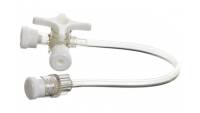
An extension set is a short piece of tubing that attaches directly to an IV cannula. Some extension sets have pre-attached IV cannulae, and some come with a port to have a cannula attached.
An extension set is used to help reduce micromovements and prevents blood and body fluid exposure during IV changes to protect the patient and administrator. Using an extension set also means the patient does not need to undergo repeated needle sticks.
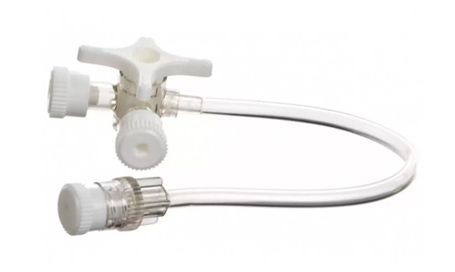
Needleless Cap
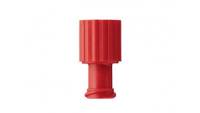
Also called a needless connector, end cap, luer-lock cap, injection port, or mechanical valve, this device is added to the distal end of an extension set to prevent blood exposure and backflow of blood up the tubing. They also allow quick access to the infusion line without needing a needle, increasing the safety of activities like changing IV lines.
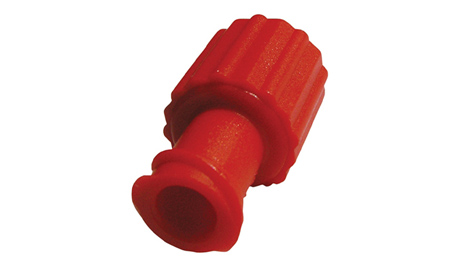
Filtered IV Tubing
Some IV tubing comes with a filter that prevents bacteria and candida as the fluid passes through to be infused. These are mainly used in blood transfusions as a final barrier to prevent unwanted microorganisms or minute air bubbles from passing through.
Vented Set
Used with hard plastic or glass containers, vented sets feature a vent that can be opened and closed, allowing fluid displacement to facilitate administration to the patient.

Volume Control Set
A small chamber that attaches below the primary IV tubing, a volume control set regulates the flow of the IV solution and administers the fluid over an extended period of time.
Simplify Workplace First Aid
Interactive Online Guide & Downloadable Brochure
Simplify Workplace First Aid
Interactive Online Guide & Downloadable Brochure
Choose the format that works for you: check out our Workplace First Aid Interactive Online Guide or download our 2-in-1 Workplace First Aid & Advanced Life Support Buyers Guide as an easy-to-save PDF. Both include a self-assessment, product details, and comprehensive training and support.
Other IV Equipment List Essentials
Here’s an injection equipment list of additional essentials for administering IV infusions and injections.
Tourniquet
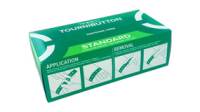
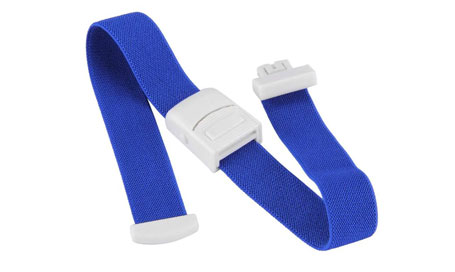
A tourniquet is used to temporarily block the exit of blood from an extremity (usually an arm). When veins are engorged, they are easier to locate, making it easier and safer to administer injections, attach cannulae, and draw blood.
A quick-release tourniquet is designed with a buckle that can easily be tightened and released quickly to draw blood and insert IV equipment. You can also get disposable tourniquets, meaning there’s a reduced risk of cross-infection and no need to go through time-consuming cleaning and sterilising.
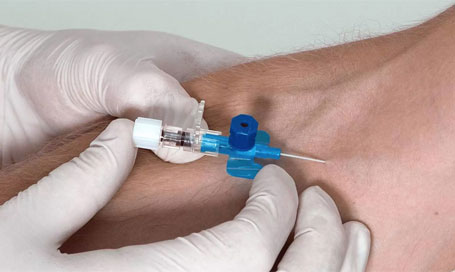
IV Cannula
This is a thin tube inserted into the vein through which fluids and medicines can be administered directly. IV cannulae should be sterile and individually wrapped, ready for use. When an IV cannula is used, it significantly reduces the risk of blood exposure when changing IV lines.
Antiseptic and Local Anaesthetic
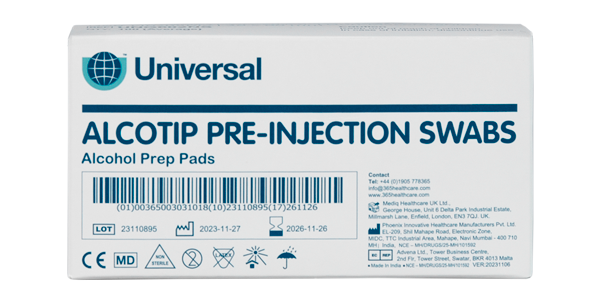
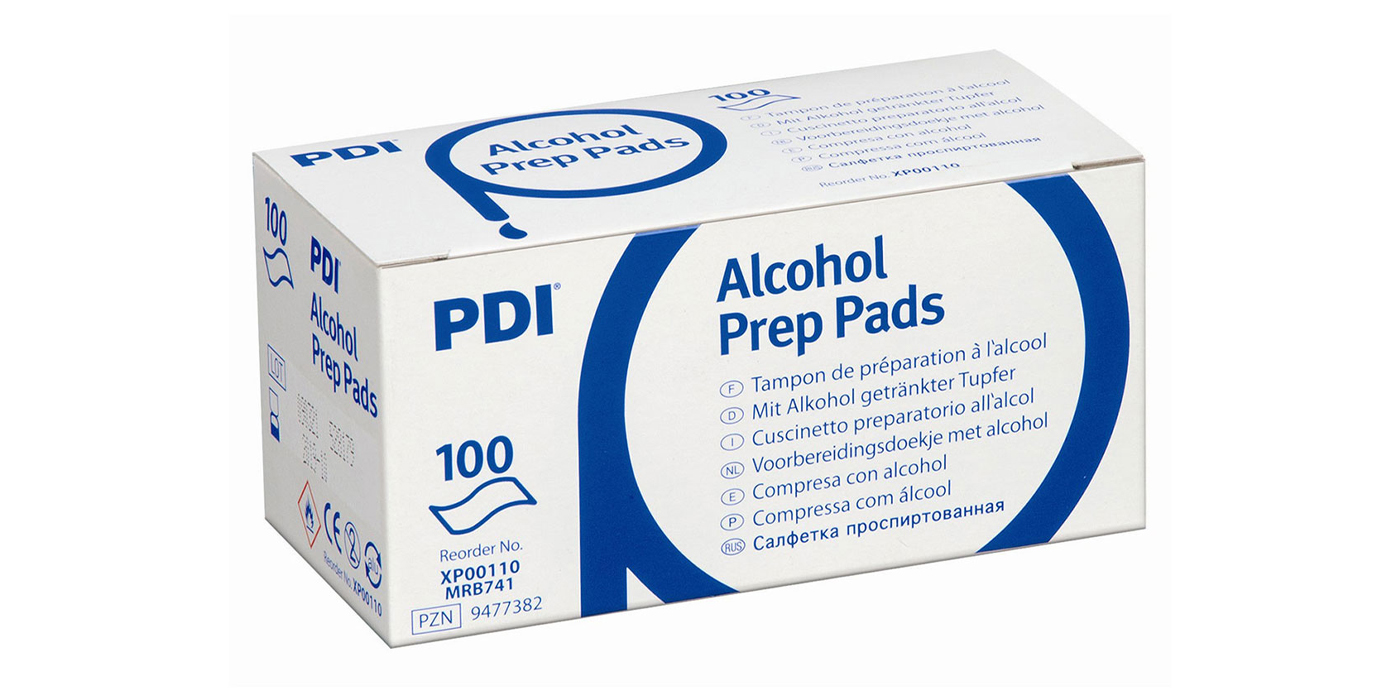
Antiseptic solution or wipes should be used to clean IV equipment and prepare skin for insertion of IV cannulae. CHG (chlorhexidine) 2% and 2% alcohol wipes are recommended for cleaning non-invasive IV ports and hubs, urinary catheters, and needle-free devices. Alcohol prep pads are recommended for disinfecting skin directly before inserting needles, IV cannulae, and other IV equipment (all of which should be sterile).
IV Dressing Pack
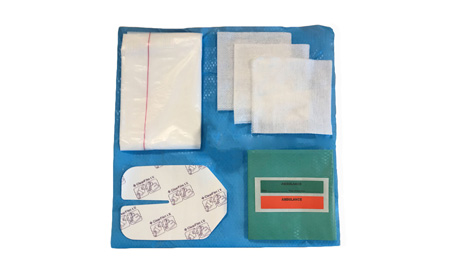
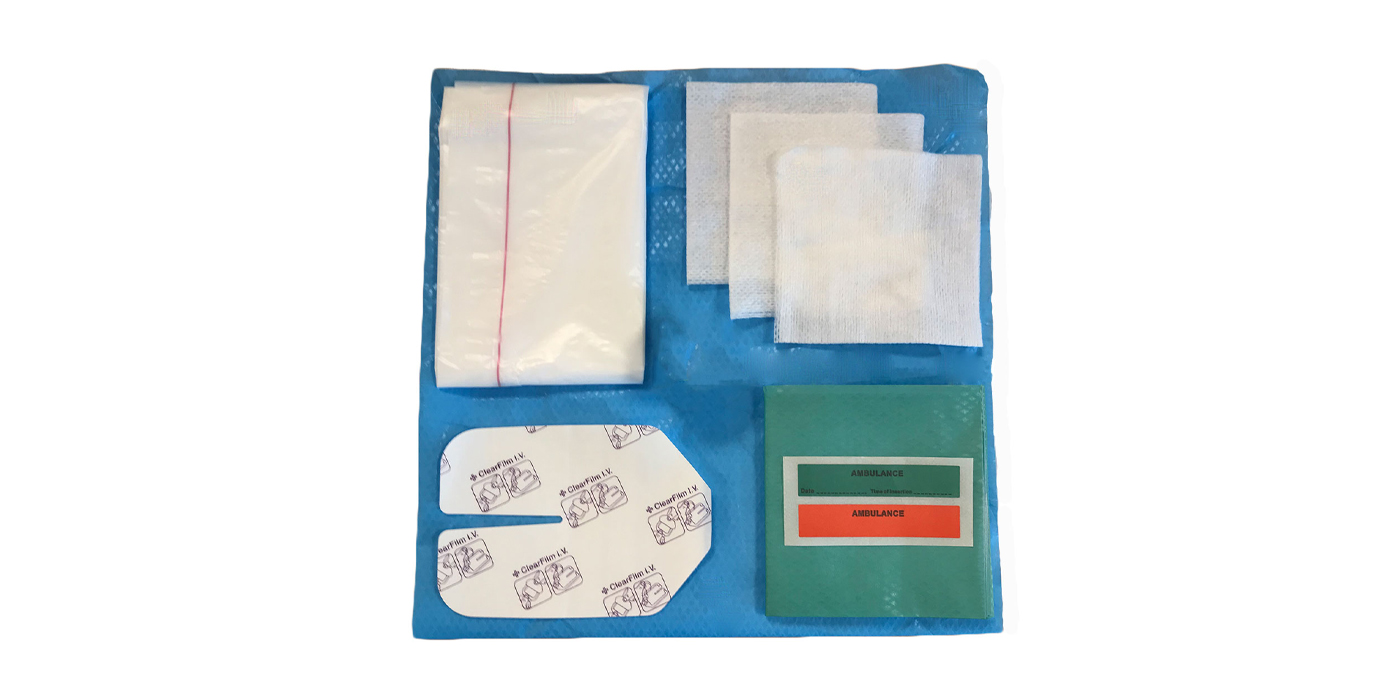
To assist with the safe and hygienic insertion and removal of IV cannulae, an IV dressing pack allows the nurse to uphold aseptic practice, insert IV lines, keep them in place, and protect the site from trauma, infection, and contamination.
Hypodermic Needles
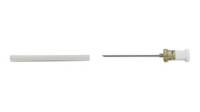
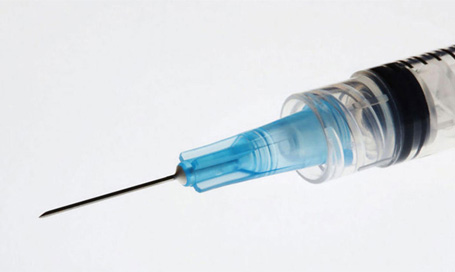
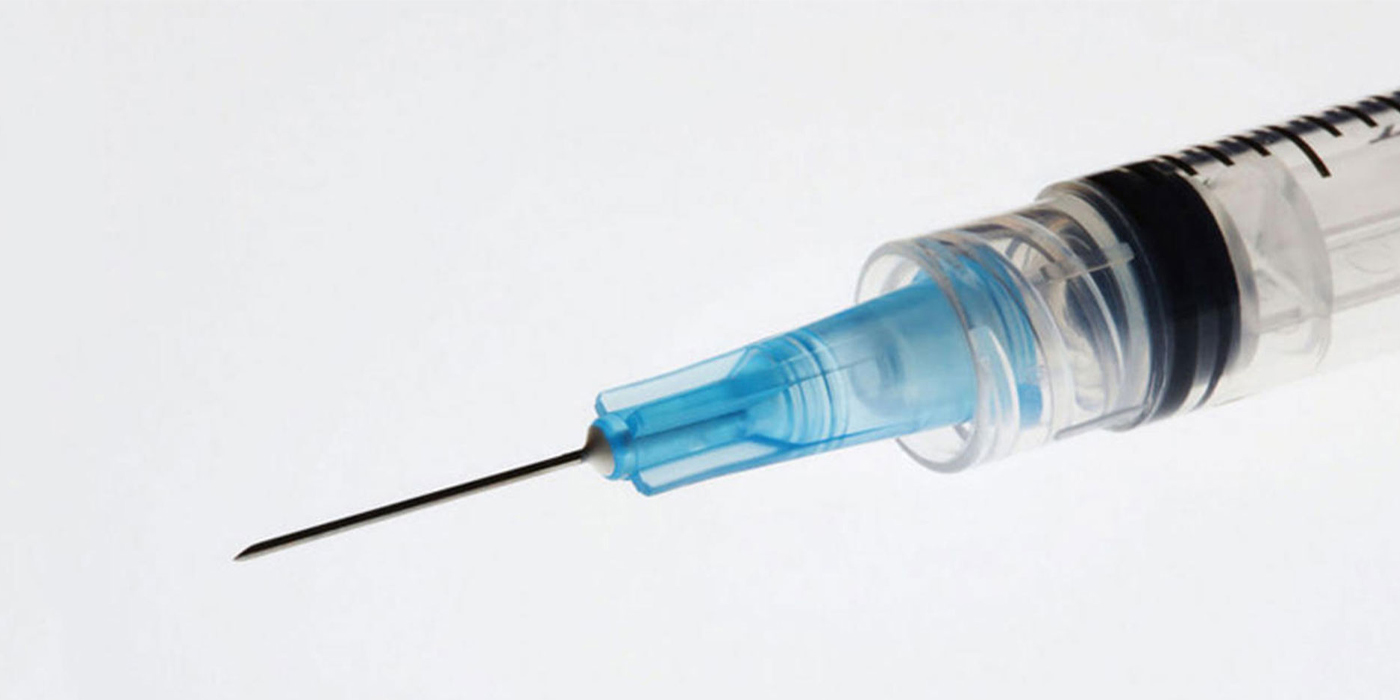
Used to administer medicines into or draw blood directly from a vein, hollow hypodermic needles should have a tapered or bevelled tip to make for easier and less painful insertion. They are usually used together with a luer slip-tip syringe.
All used needles and other sharp-tipped or sharp-edged instruments should be disposed of in a sharps bin to keep them isolated and prevent damage to soft clinical waste bags and potential injury when handling waste.
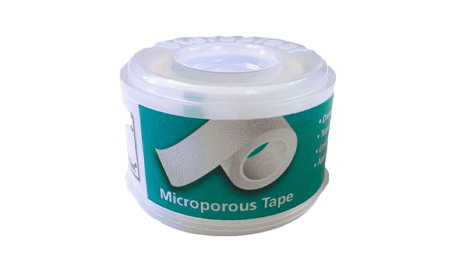
Microporous Tape
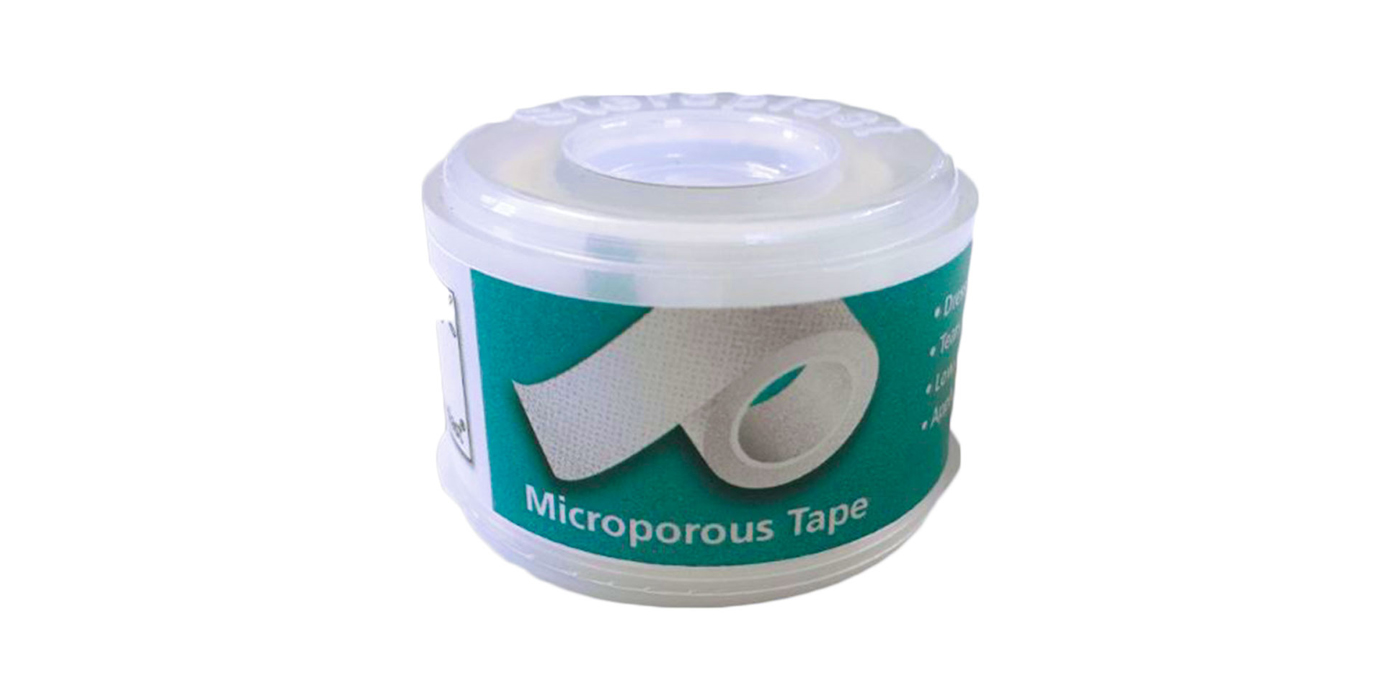
A porous white paper tape that can be used to fasten IV tubing and other equipment to the skin to keep it in place. Microporous tape is painless and easy to remove and is generally hypoallergenic, but check the product before use.
What to know more about injection and infusion equipment? Take a look at our article A List of Supplies Needed for Botox Injections.
Please enter your details into the form below along with any questions or comments and a member of our team will be happy to provide you with more information:
Intravenous (IV) equipment is used to administer fluids and medicines via a piece of tubing directly into the bloodstream via a vein. IV equipment commonly uses gravity to deliver fluid via a bag into a vein in the hand or arm. See the diagram for the usual IV administration set-up.

What equipment is needed for an iv infusion?
See a list of the most common injection equipment names and uses here.
Primary IV Tubing
A section of tubing used to facilitate continuous or intermittent infusion of medication or fluids. Primary IV tubing consists of the following:
- A backcheck valve which prevents the fluid from travelling back up the tubing into the IV bag.
- Access ports which can introduce secondary IV tubing and give IV push medications.
- A roller clamp which controls the speed of a gravity infusion.
A primary IV tubing set will connect to an IV bag at the top and a piece of extension tubing which is then connected to the vein via a cannula in the arm or hand.
Secondary IV Tubing
Secondary IV infusion is the intermittent administration of a secondary medication at regular intervals. Secondary IV tubing is shorter than primary IV tubing and does not feature a backcheck valve. It is connected to a primary IV tubing line via an access port.
IV Bags
Fluids, medications, and blood transfusions come in IV bags ready to be hooked up to a primary or secondary IV tubing set. IV bags should have the date, time, and initials of the nurse written on them when they are set up. If an IV bag has been open for longer than 24 hours, it is considered out of date, and a new bag needs to be used. Nurses will also check for the following.
- IV tubing contaminated by non-sterile surfaces.
- Less than 100ml left in the bag.
- The solution inside the bag having a cloudy quality to it.
Extension Sets
An extension set is a short piece of tubing that attaches directly to an IV cannula. Some extension sets have pre-attached IV cannulae, and some come with a port to have a cannula attached.
An extension set is used to help reduce micromovements and prevents blood and body fluid exposure during IV changes to protect the patient and administrator. Using an extension set also means the patient does not need to undergo repeated needle sticks.
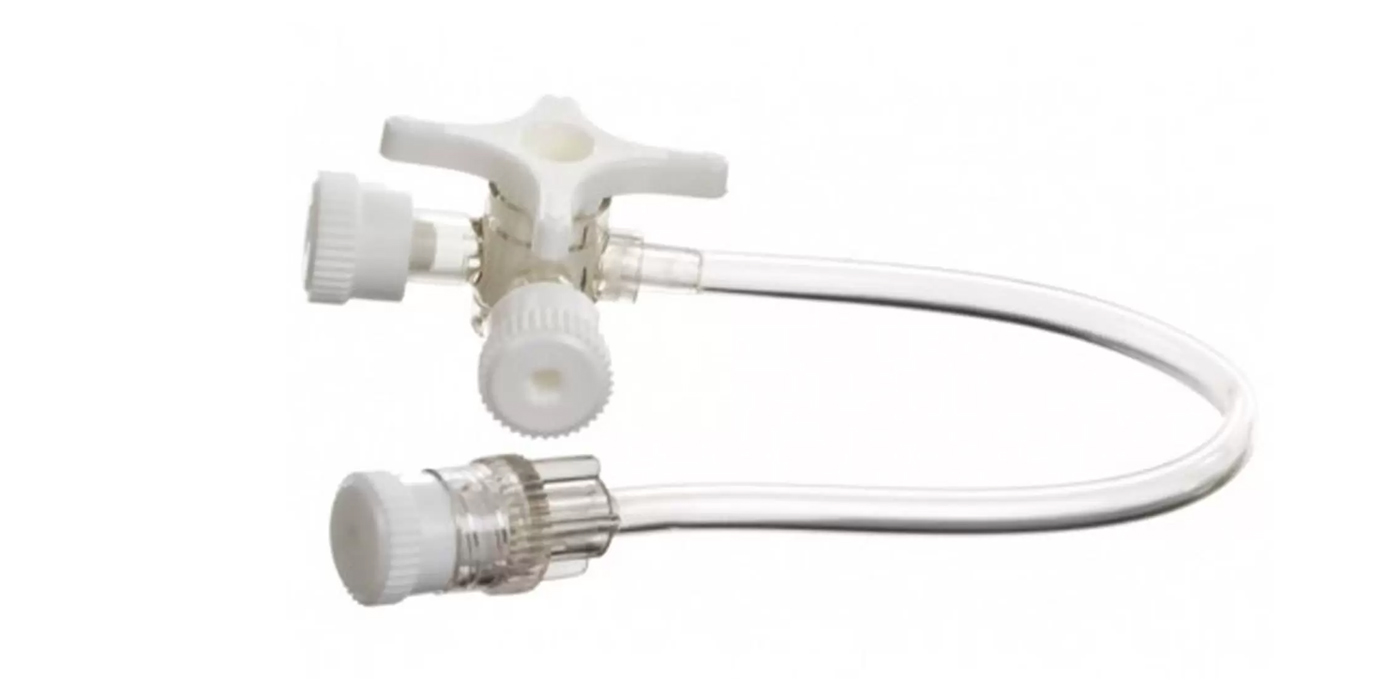
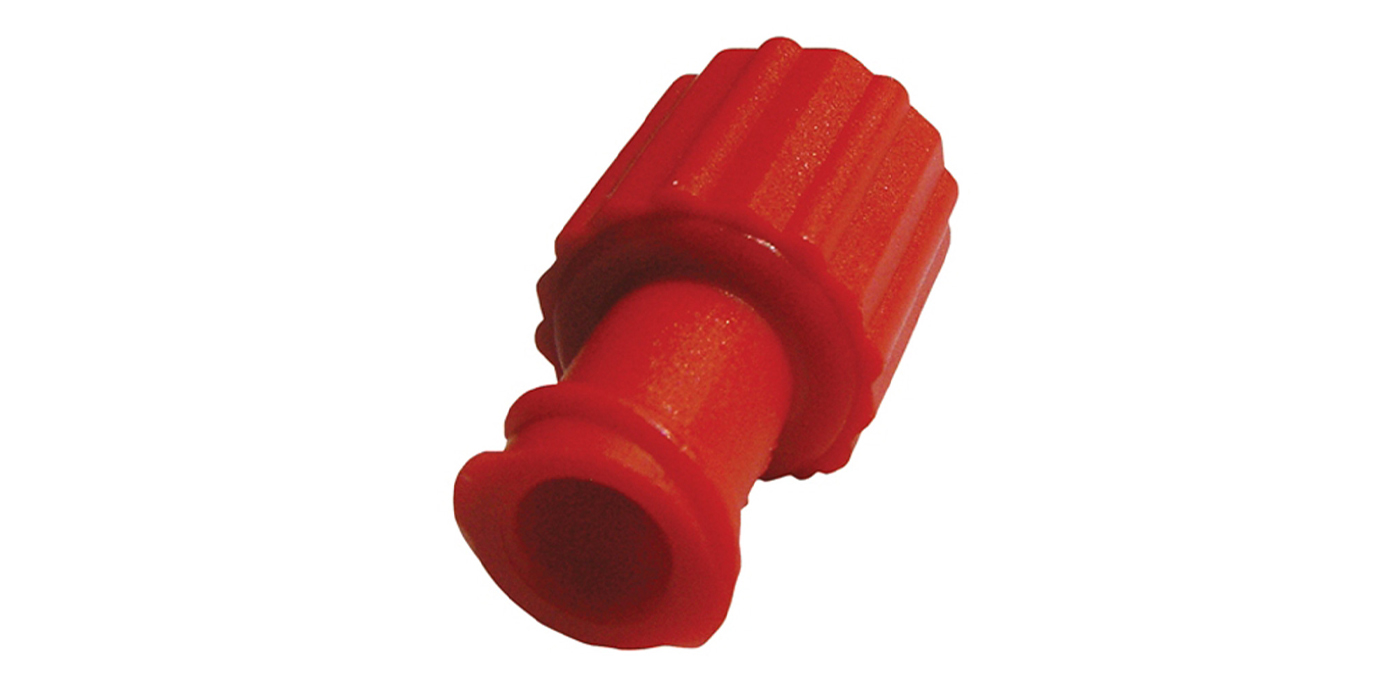
Needleless Cap
Also called a needless connector, end cap, luer-lock cap, injection port, or mechanical valve, this device is added to the distal end of an extension set to prevent blood exposure and backflow of blood up the tubing. They also allow quick access to the infusion line without needing a needle, increasing the safety of activities like changing IV lines.
Filtered IV Tubing
Some IV tubing comes with a filter that prevents bacteria and candida as the fluid passes through to be infused. These are mainly used in blood transfusions as a final barrier to prevent unwanted microorganisms or minute air bubbles from passing through.
Vented Set
Used with hard plastic or glass containers, vented sets feature a vent that can be opened and closed, allowing fluid displacement to facilitate administration to the patient.
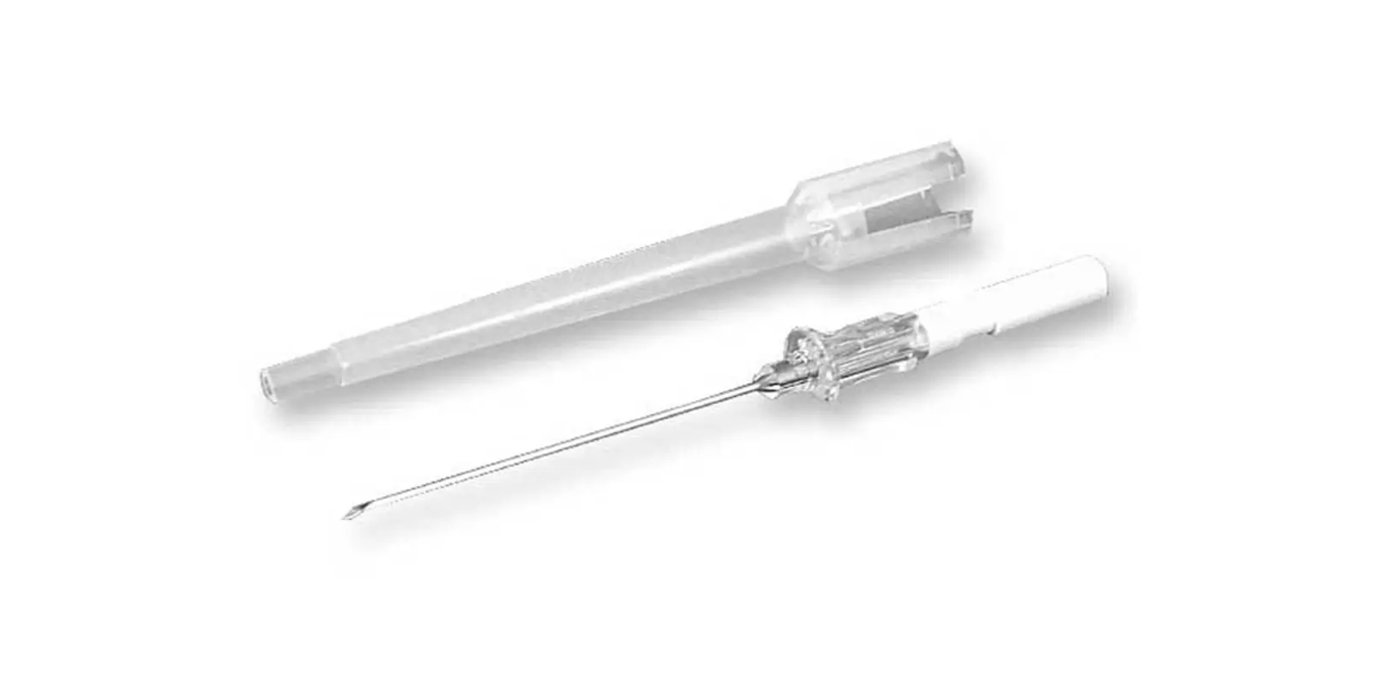
Volume Control Set
A small chamber that attaches below the primary IV tubing, a volume control set regulates the flow of the IV solution and administers the fluid over an extended period of time.
Other IV Equipment List Essentials
Here’s an injection equipment list of additional essentials for administering IV infusions and injections.
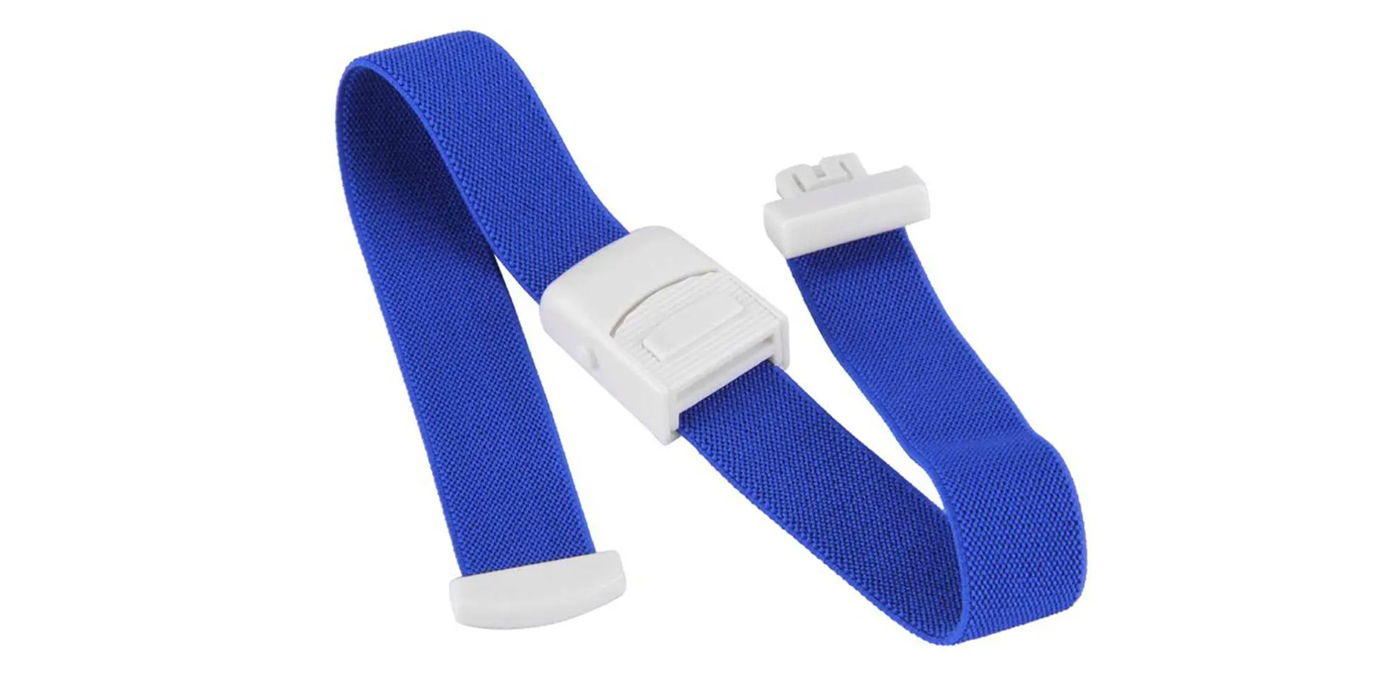
Tourniquet
A tourniquet is used to temporarily block the exit of blood from an extremity (usually an arm). When veins are engorged, they are easier to locate, making it easier and safer to administer injections, attach cannulae, and draw blood.
A quick-release tourniquet is designed with a buckle that can easily be tightened and released quickly to draw blood and insert IV equipment. You can also get disposable tourniquets, meaning there’s a reduced risk of cross-infection and no need to go through time-consuming cleaning and sterilising.
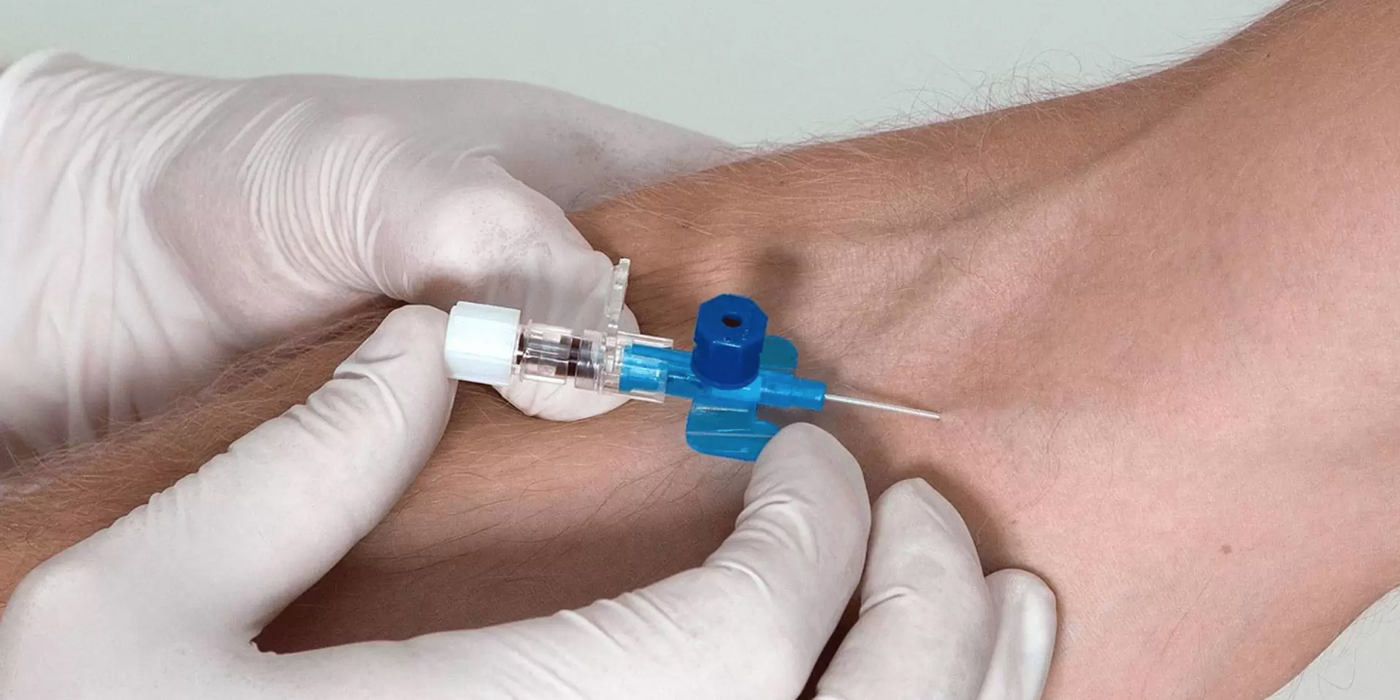
IV Cannula
This is a thin tube inserted into the vein through which fluids and medicines can be administered directly. IV cannulae should be sterile and individually wrapped, ready for use. When an IV cannula is used, it significantly reduces the risk of blood exposure when changing IV lines.
Antiseptic and Local Anaesthetic
Antiseptic solution or wipes should be used to clean IV equipment and prepare skin for insertion of IV cannulae. CHG (chlorhexidine) 2% and 2% alcohol wipes are recommended for cleaning non-invasive IV ports and hubs, urinary catheters, and needle-free devices. Alcohol prep pads are recommended for disinfecting skin directly before inserting needles, IV cannulae, and other IV equipment (all of which should be sterile).
IV Dressing Pack
To assist with the safe and hygienic insertion and removal of IV cannulae, an IV dressing pack allows the nurse to uphold aseptic practice, insert IV lines, keep them in place, and protect the site from trauma, infection, and contamination.
Hypodermic Needles
Used to administer medicines into or draw blood directly from a vein, hollow hypodermic needles should have a tapered or bevelled tip to make for easier and less painful insertion. They are usually used together with a luer slip-tip syringe.
All used needles and other sharp-tipped or sharp-edged instruments should be disposed of in a sharps bin to keep them isolated and prevent damage to soft clinical waste bags and potential injury when handling waste.
Microporous Tape
A porous white paper tape that can be used to fasten IV tubing and other equipment to the skin to keep it in place. Microporous tape is painless and easy to remove and is generally hypoallergenic, but check the product before use.
What to know more about injection and infusion equipment? Take a look at our article A List of Supplies Needed for Botox Injections.
Please enter your details into the form below along with any questions or comments and a member of our team will be happy to provide you with more information: