Botox Injection Essentials: 14 Key Supplies for Aesthetic Professionals
If you’re setting up a botox business or expanding your beauty and aesthetics service offering, you’ll need to be well-equipped before you even start acquiring clients. Injection equipment, PPE, hygiene supplies, safe disposal equipment, and all the other bits and pieces you never realised you needed are on this list.
Ensure your clients are completely safe and well-catered to, and keep them returning. Here’s all the essential supplies needed for botox injections.
Click to expand:
Syringes
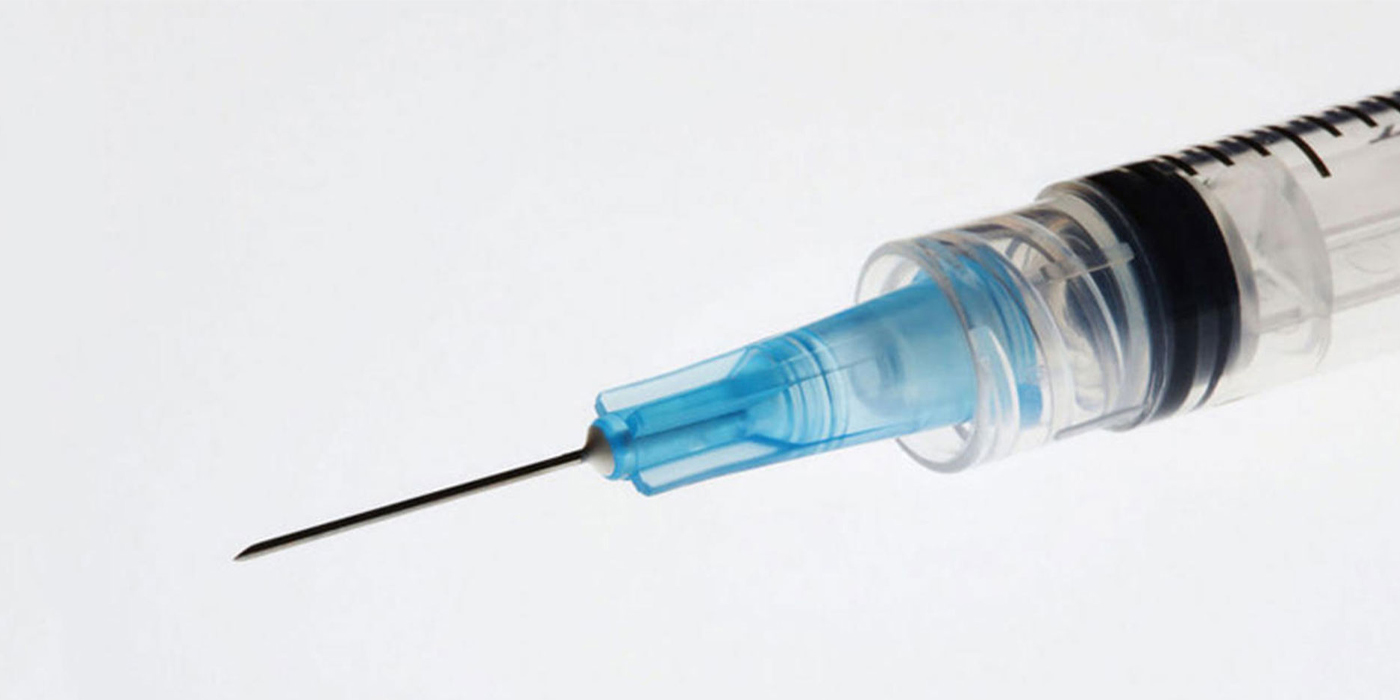
Syringes are needed to draw up botox, saline, and other intravenous drugs and administer them. Aestheticians recommend anything from a 0.3ml syringe to a 2.5ml syringe.

Hypodermic Needles
Botox aestheticians and doctors advise using anything from a 30-gauge to a 32-gauge Botox needle. Larger needles are known to cause discomfort. Green needles (21g x 1.5″) are recommended for drawing up botox, and yellow needles (30g x 0.5”) for administering it.
Sourcing hypodermic needles from a supplier like Steroplast that offers hospital IV equipment is a good idea, as you are guaranteed to find high-quality medical-grade items.
Bacteriostatic Normal Saline
Use saline for reconstituting the product. Bacteriostatic normal saline is the industry standard and is known to prevent discomfort and ensure the botox product is long-lasting.
Disposal Supplies
Any supplies that come into direct contact with body fluids or which break the skin barrier are classed as clinical waste thereafter. This can include needles, syringes, swabs, gloves, and anything contaminated.
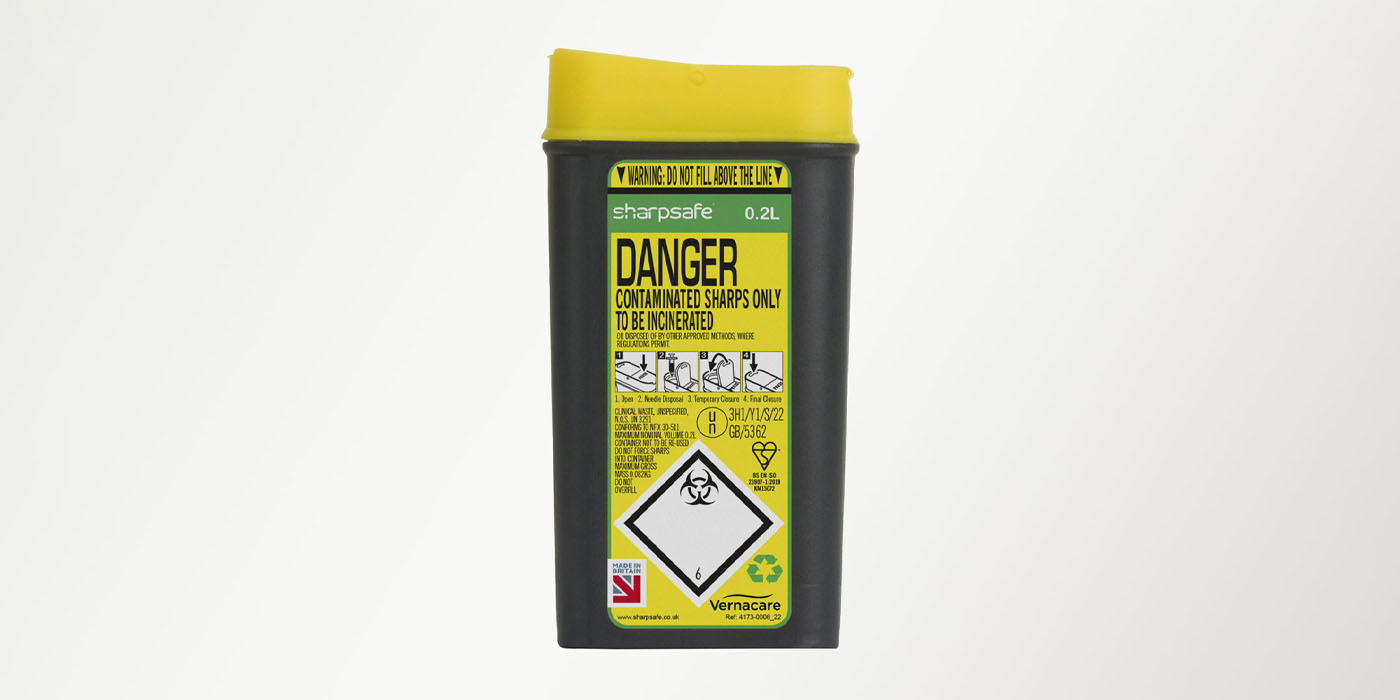
Botox is classed as cytotoxic waste (waste contaminated with chemicals that cause changes to cells). This means that botox and equipment contaminated with botox, such as vials, should be disposed of in sharps containers with purple lids.
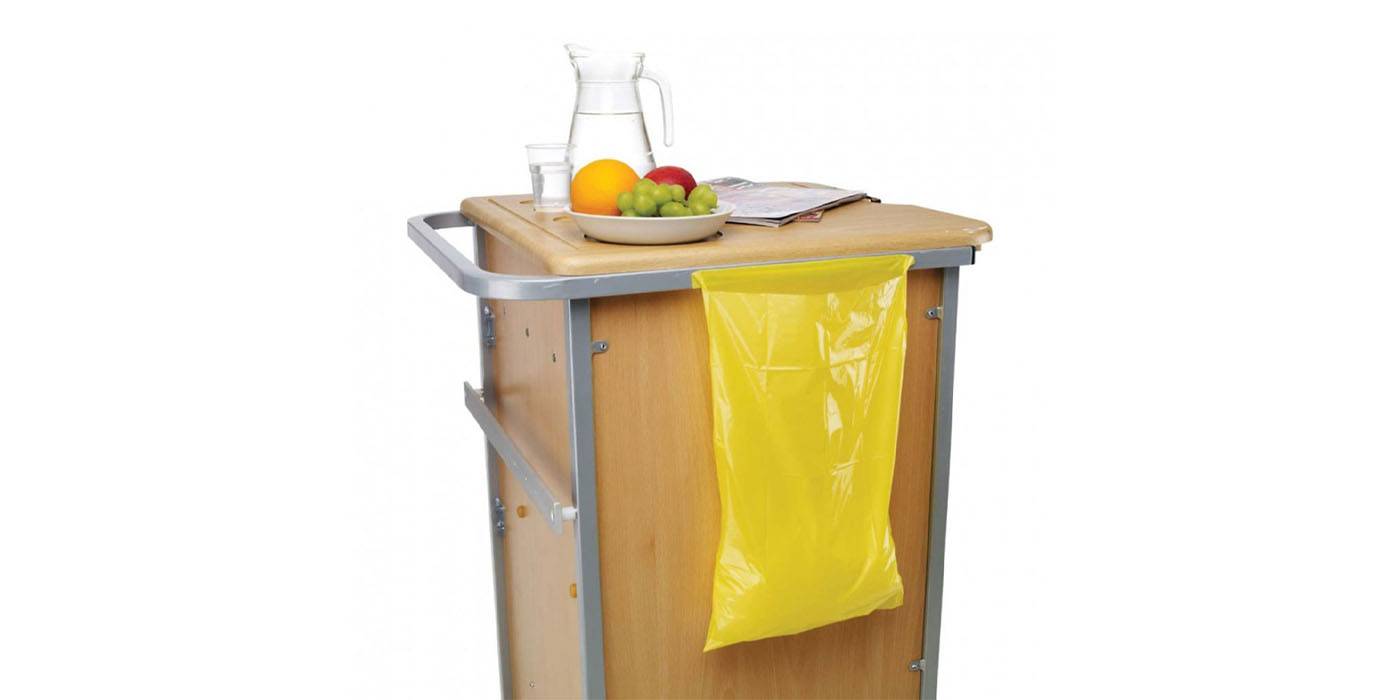
We also recommend using small clinical waste bags with adhesive strips that can be attached to a trolley or table and used as an easy-access temporary bin for non-sharp clinical waste.
Our biohazard waste bag colour coding guide explains what goes into each bag.
Gauze Swabs
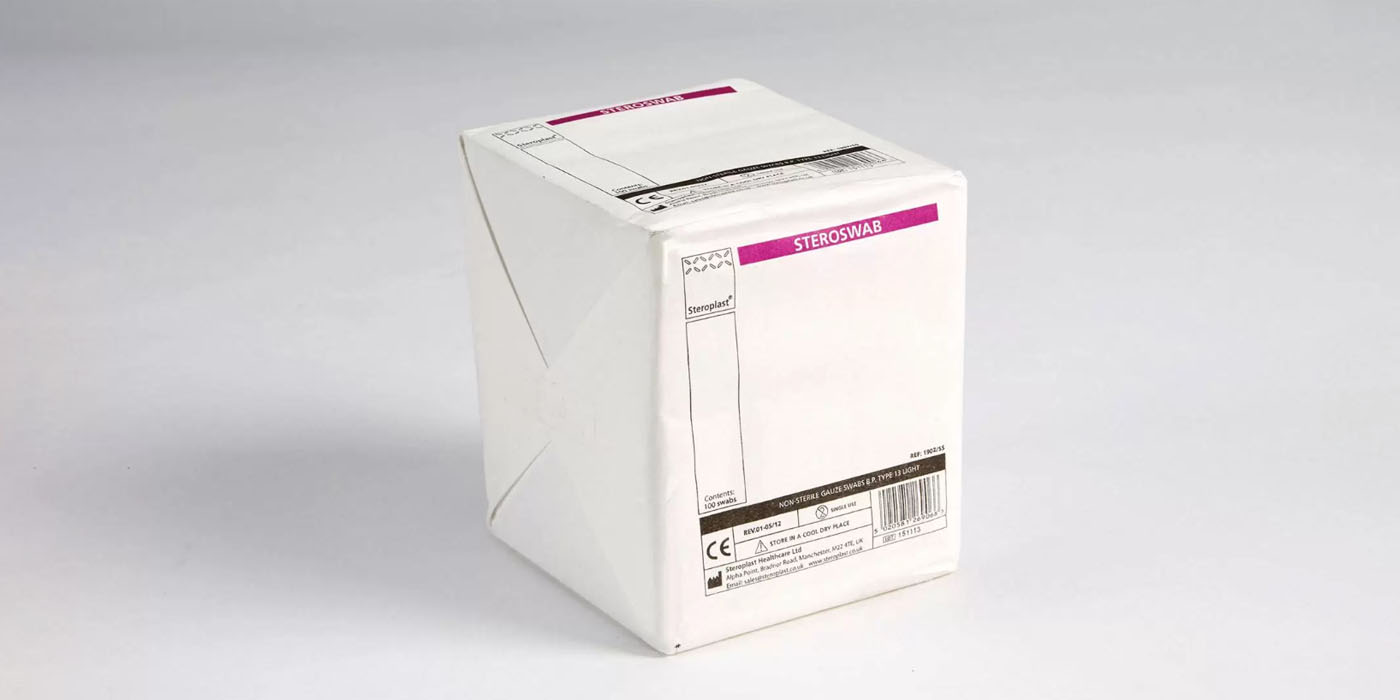
Ideally, non-woven, non-linting gauze swabs are best for blotting blood and won’t allow fibres to become stuck to the skin for a clean work area.
Find FAQs about gauze swabs and help deciding which type of gauze swabs you need in our article All About Gauze Swabs.
Disposable Gloves
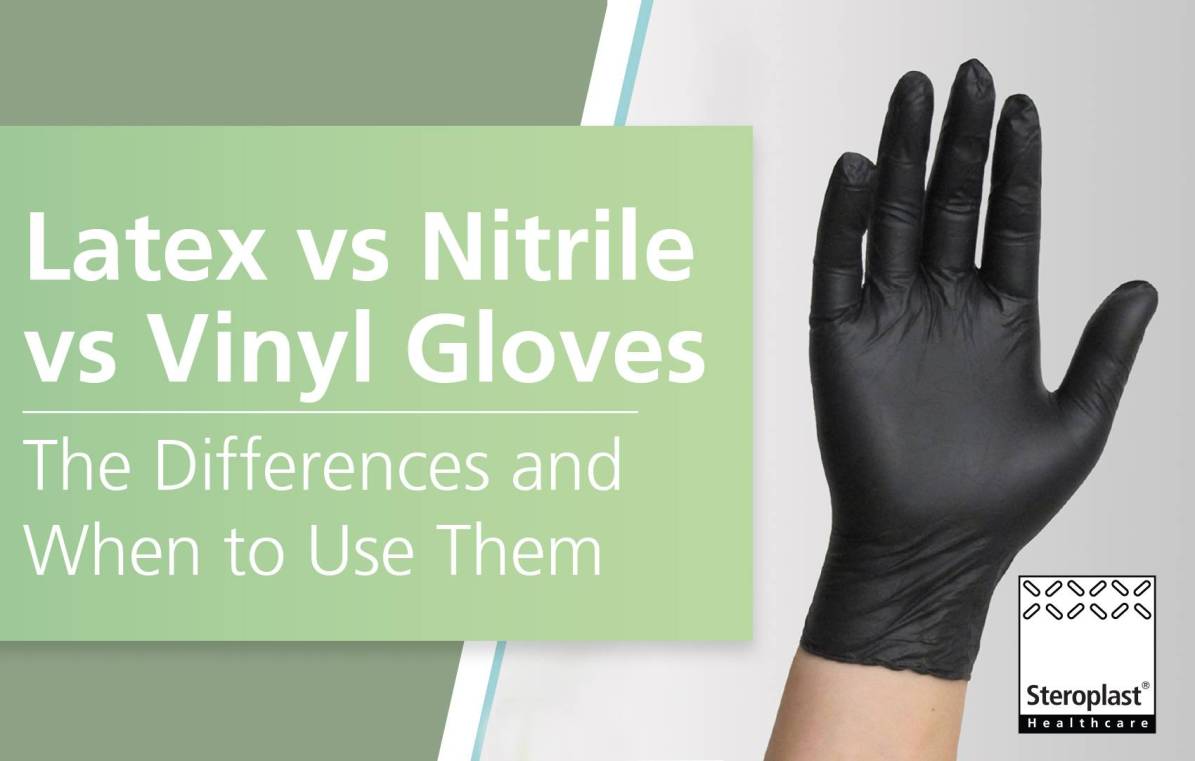
Protecting your hands and maintaining a hygienic field is essential when administering injections of any kind. We recommend nitrile gloves as they are puncture and tear-proof and provide heightened protection from needle sticks. Nitrile gloves are also textured to help you maintain grip and carry out precise work.
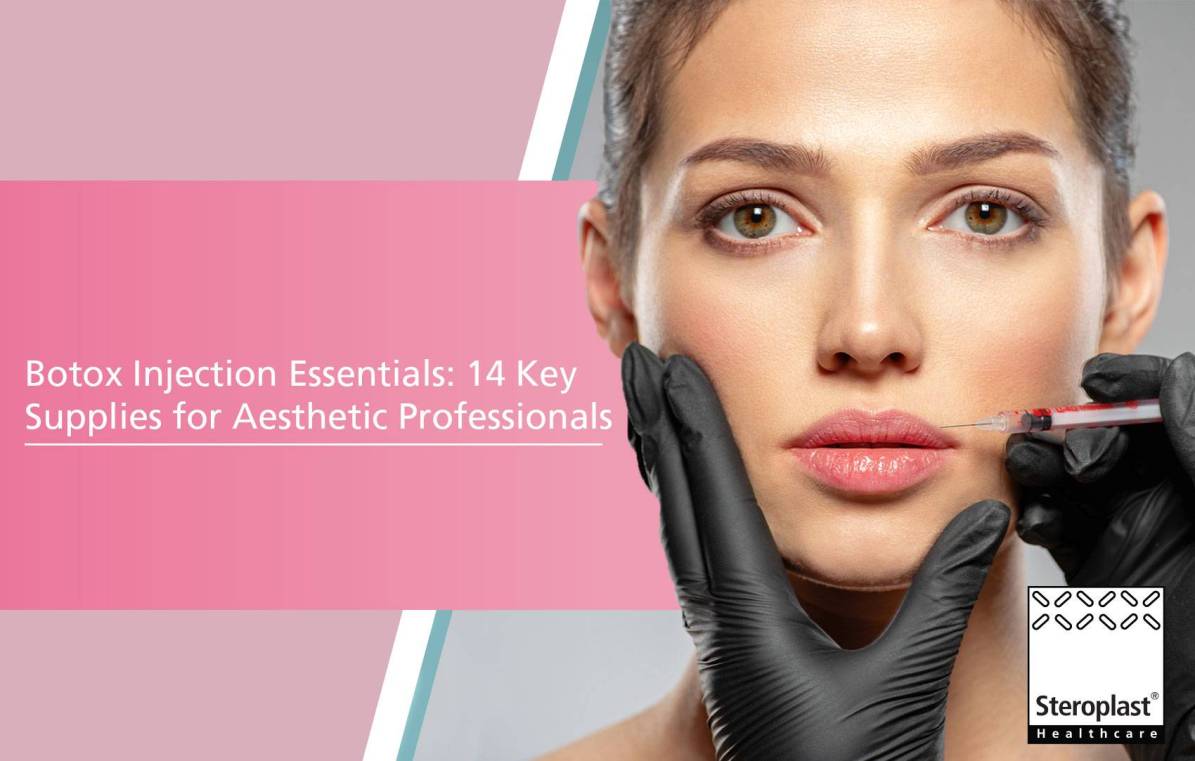
Choose black nitrile gloves to easily distinguish between your skin and your client’s skin at all times. We offer black nitrile gloves in four sizes.

Alcohol Swabs
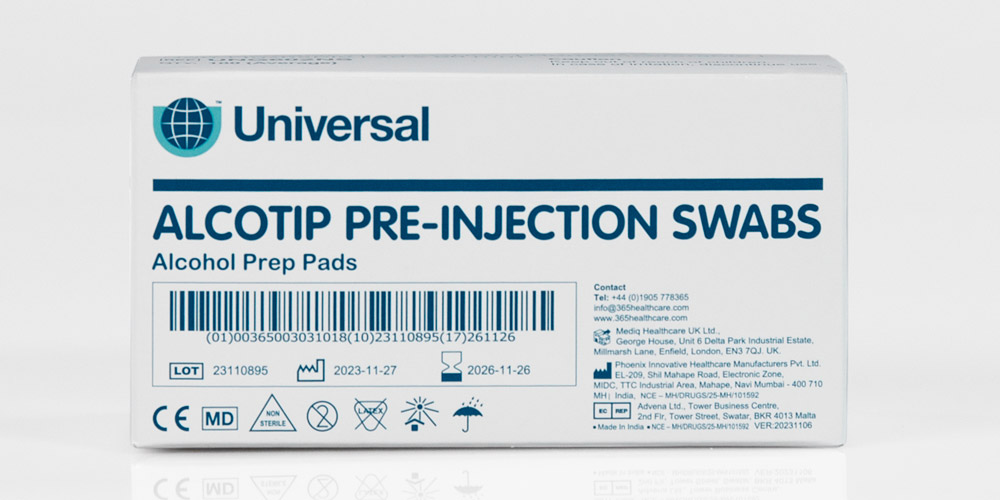
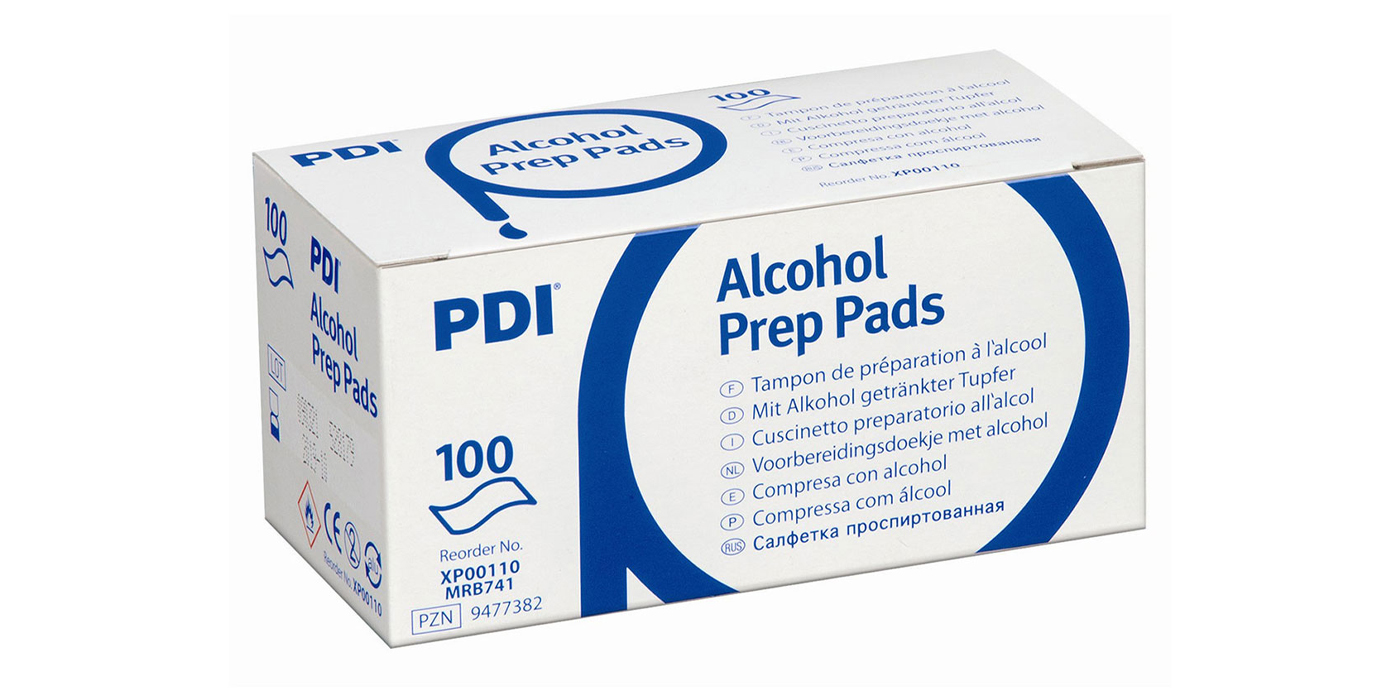
Skin must be disinfected before a sterile hypodermic needle penetrates the skin barrier. This can be done with an alcohol prep pad. These medical-grade alcohol prep pads are used by nurses when administering injections and come in individual sterile wrappers.
Face Wipes
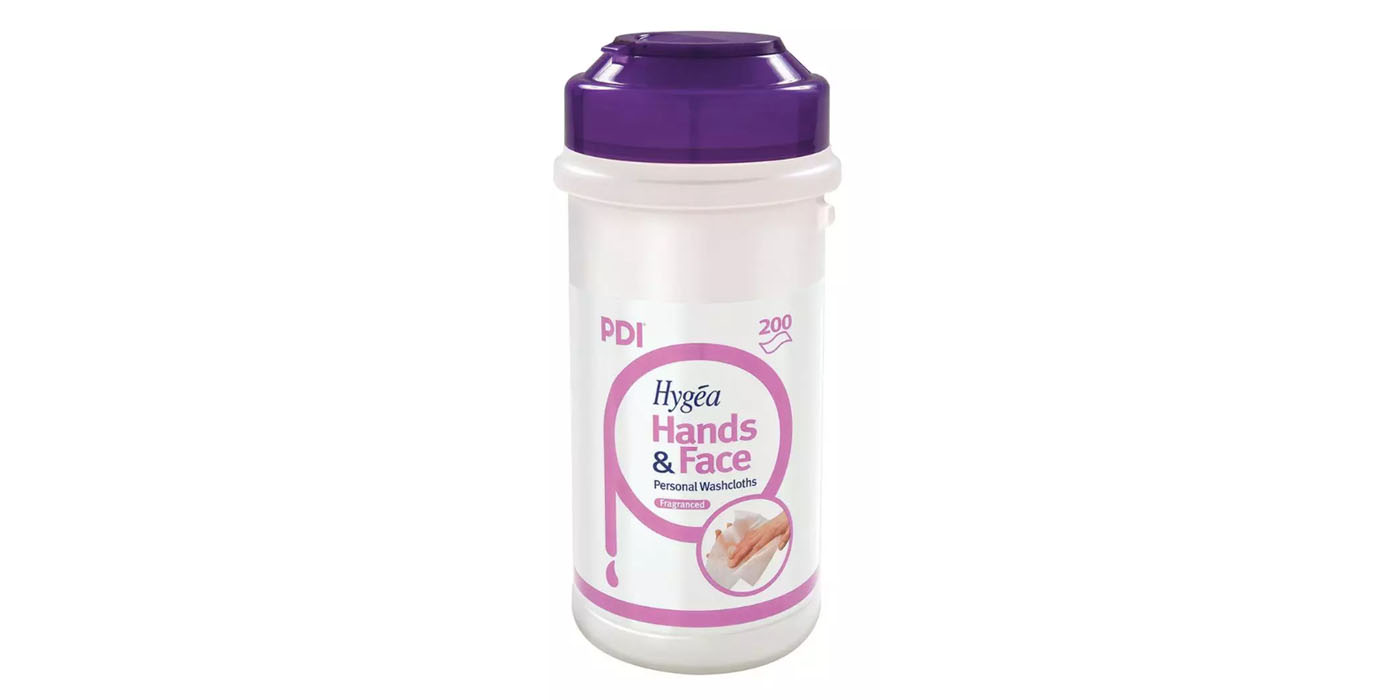
Before disinfecting skin at injection sites, ensure the face or skin being treated is clean and makeup-free. Keep a supply of gentle face wipes on hand to remove any makeup or other contaminants. Hygea personal disposable face and hand washcloths are ideal. These can also be used after the procedure to ensure the skin is completely clean and free of blood or other substances.
Read our complete guide to hygiene in beauty salons for more useful expert information.
Makeup Pencils and Sharpener
Keep a selection of white and dark eyeliner pencils handy to mark out areas of the skin. White is easier to remove afterwards, so many aestheticians opt for white. A pencil sharpener will ensure you always make precise markings.
Note that you should never inject directly through the markings you make so as not to push any of the material through the skin.

Mirror
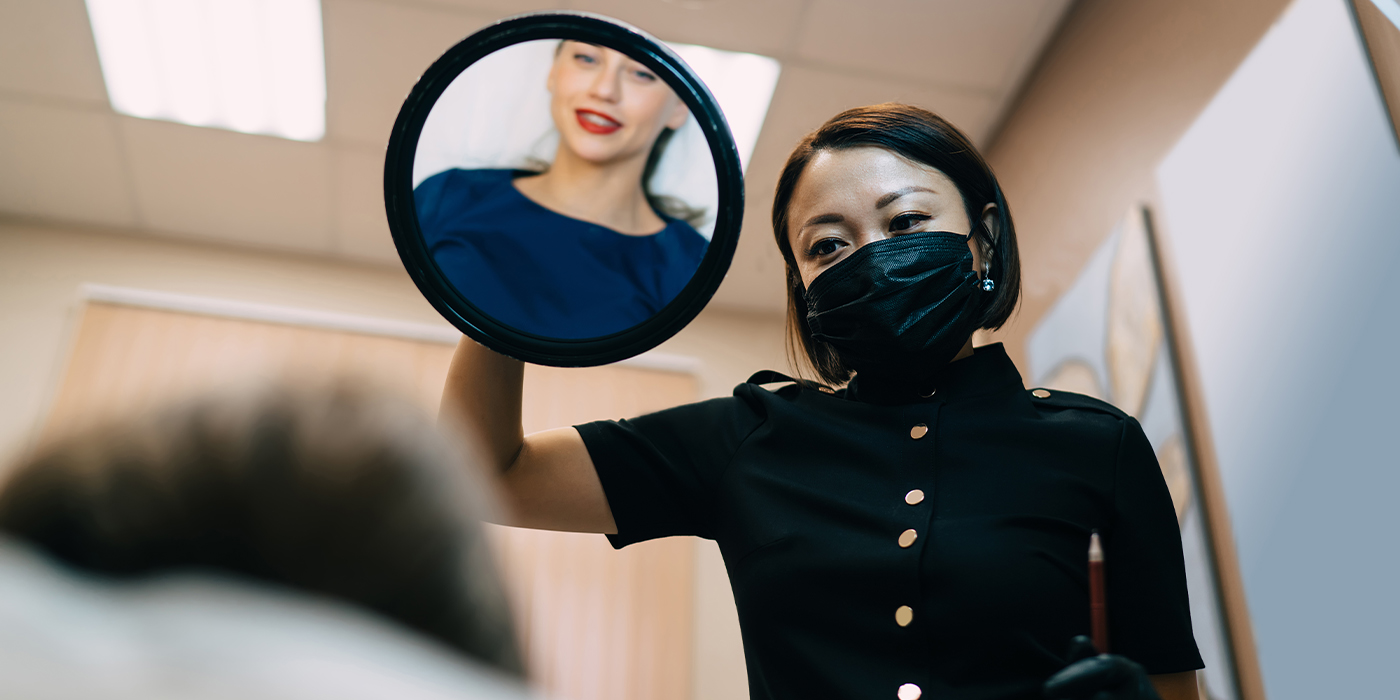
A lightweight, handheld mirror should be used to help the client assess before and after injections are delivered.
Drug Fridge
Botox needs to be kept at a temperature between 2°C and 8°C. Keep a drugs fridge in your salon or a travel chiller with a thermometer to ensure your botox is kept at a safe temperature until you need it.

Topical Lidocaine
Topical lidocaine often comes as a cream or gel and can be applied to sensitive areas like the lip before cleaning the skin. When the time comes to administer injections, wipe the lidocaine away and disinfect the skin as normal before injecting.

Ice Packs
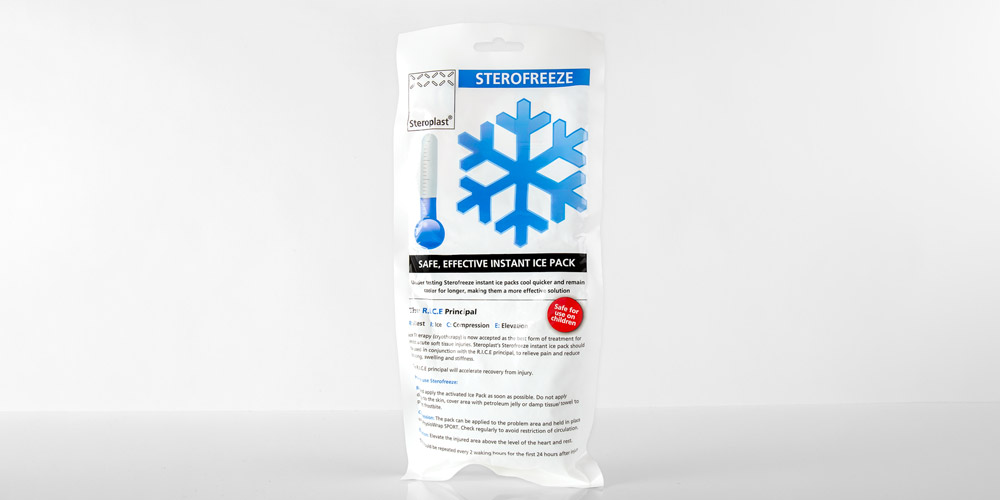
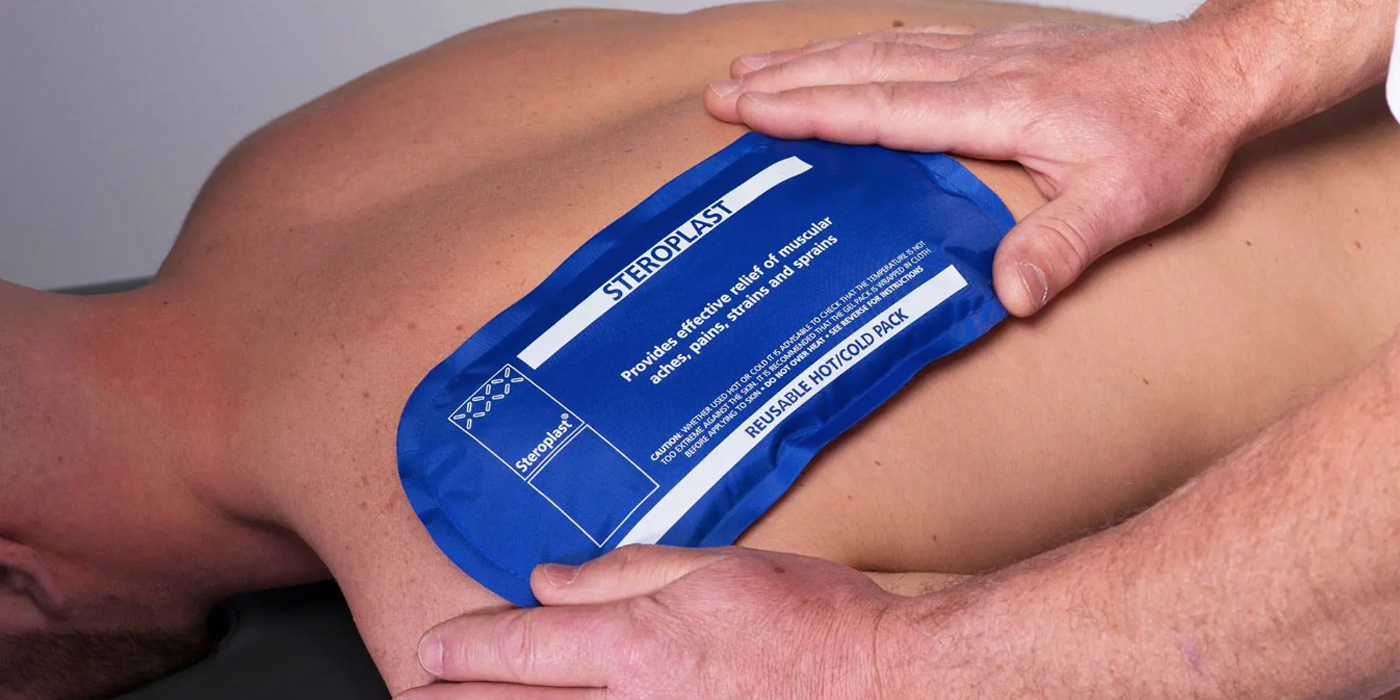
Ice packs work well in place of lidocaine to numb injection sites and decrease the pain of injection. Ice packs are also helpful for soothing areas after injection. We recommend instant ice packs that you don’t need access to a freezer to use. Simply squeeze the pack to activate the endothermic reaction.
First Aid Kit
Using needles and carrying out invasive procedures means you and your client are always at risk of injury or infection, even if you’re completely safe and follow best practices. Make sure you keep a first aid kit nearby at all times. It’s not only the responsible thing to do; it's also the law. All businesses must carry first aid kits that meet the need of their risk assessments.
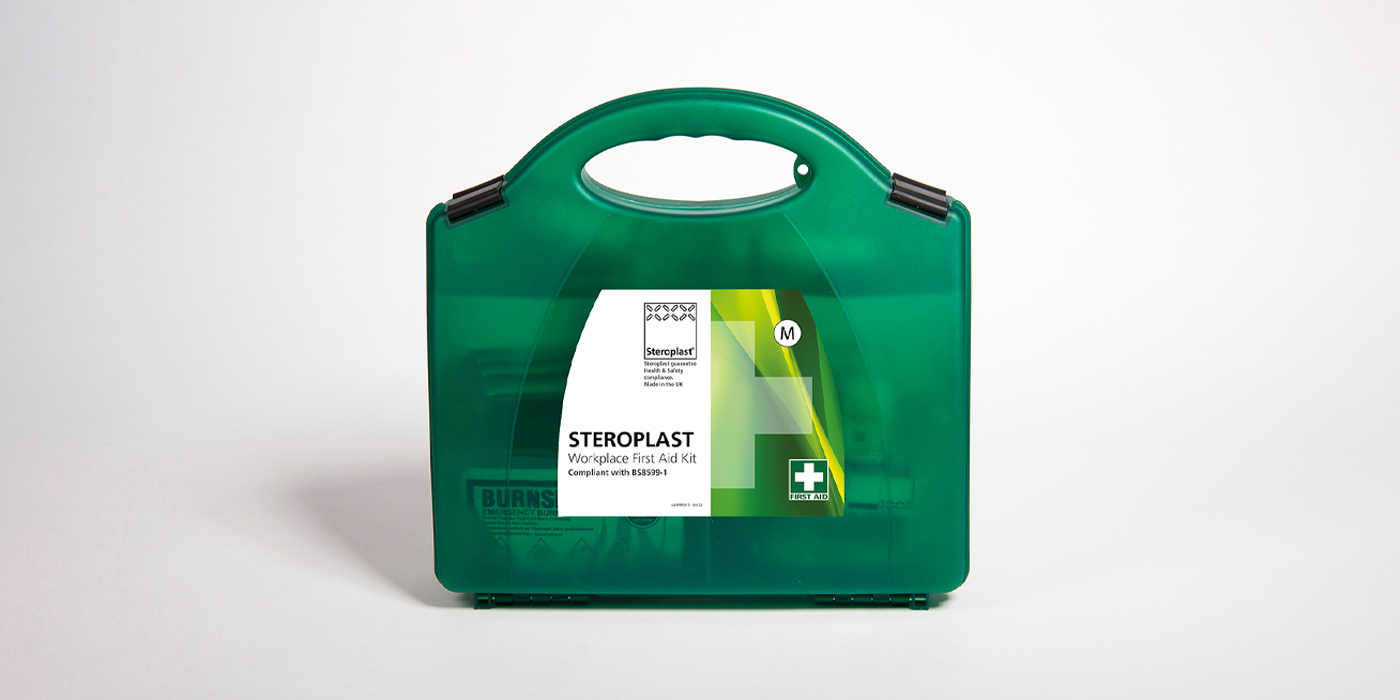
We recommend a BS8599-1 Workplace First Aid Kit, which covers all items that the Health and Safety Executive advises low-risk businesses need to be compliant, along with some extras, all made to meet the stringent British Standards Institute’s expectations of quality.
Visit our
Personal First Aid Online Guide
Find everything you need, from first aid kits, plasters & bandages to hot & cold therapy.
Simplify Workplace First Aid
Interactive Online Guide & Downloadable Brochure
Simplify Workplace First Aid
Interactive Online Guide & Downloadable Brochure
Choose the format that works for you: check out our Workplace First Aid Interactive Online Guide or download our 2-in-1 Workplace First Aid & Advanced Life Support Buyers Guide as an easy-to-save PDF. Both include a self-assessment, product details, and comprehensive training and support.
Please enter your details into the form below along with any questions or comments and a member of our team will be happy to provide you with more information:
If you’re setting up a botox business or expanding your beauty and aesthetics service offering, you’ll need to be well-equipped before you even start acquiring clients. Injection equipment, PPE, hygiene supplies, safe disposal equipment, and all the other bits and pieces you never realised you needed are on this list.
Ensure your clients are completely safe and well-catered to, and keep them returning. Here’s all the essential supplies needed for botox injections.
Click to expand:
Syringes
Syringes are needed to draw up botox, saline, and other intravenous drugs and administer them. Aestheticians recommend anything from a 0.3ml syringe to a 2.5ml syringe.
Hypodermic Needles
Botox aestheticians and doctors advise using anything from a 30-gauge to a 32-gauge Botox needle. Larger needles are known to cause discomfort. Green needles (21g x 1.5″) are recommended for drawing up botox, and yellow needles (30g x 0.5”) for administering it.
Sourcing hypodermic needles from a supplier like Steroplast that offers hospital IV equipment is a good idea, as you are guaranteed to find high-quality medical-grade items.
Bacteriostatic Normal Saline
Use saline for reconstituting the product. Bacteriostatic normal saline is the industry standard and is known to prevent discomfort and ensure the botox product is long-lasting.
Disposal Supplies
Any supplies that come into direct contact with body fluids or which break the skin barrier are classed as clinical waste thereafter. This can include needles, syringes, swabs, gloves, and anything contaminated.
Botox is classed as cytotoxic waste (waste contaminated with chemicals that cause changes to cells). This means that botox and equipment contaminated with botox, such as vials, should be disposed of in sharps containers with purple lids.
We also recommend using small clinical waste bags with adhesive strips that can be attached to a trolley or table and used as an easy-access temporary bin for non-sharp clinical waste.
Our biohazard waste bag colour coding guide explains what goes into each bag.
Gauze Swabs
Ideally, non-woven, non-linting gauze swabs are best for blotting blood and won’t allow fibres to become stuck to the skin for a clean work area.
Find FAQs about gauze swabs and help deciding which type of gauze swabs you need in our article All About Gauze Swabs.
Disposable Gloves
Protecting your hands and maintaining a hygienic field is essential when administering injections of any kind. We recommend nitrile gloves as they are puncture and tear-proof and provide heightened protection from needle sticks. Nitrile gloves are also textured to help you maintain grip and carry out precise work.
Choose black nitrile gloves to easily distinguish between your skin and your client’s skin at all times. We offer black nitrile gloves in four sizes.
Alcohol Swabs
Skin must be disinfected before a sterile hypodermic needle penetrates the skin barrier. This can be done with an alcohol prep pad. These medical-grade alcohol prep pads are used by nurses when administering injections and come in individual sterile wrappers.
Face Wipes
Before disinfecting skin at injection sites, ensure the face or skin being treated is clean and makeup-free. Keep a supply of gentle face wipes on hand to remove any makeup or other contaminants. Hygea personal disposable face and hand washcloths are ideal. These can also be used after the procedure to ensure the skin is completely clean and free of blood or other substances.
Read our complete guide to hygiene in beauty salons for more useful expert information.
Makeup Pencils and Sharpener
Keep a selection of white and dark eyeliner pencils handy to mark out areas of the skin. White is easier to remove afterwards, so many aestheticians opt for white. A pencil sharpener will ensure you always make precise markings.
Note that you should never inject directly through the markings you make so as not to push any of the material through the skin.
Mirror
A lightweight, handheld mirror should be used to help the client assess before and after injections are delivered.
Drug Fridge
Botox needs to be kept at a temperature between 2°C and 8°C. Keep a drugs fridge in your salon or a travel chiller with a thermometer to ensure your botox is kept at a safe temperature until you need it.
Topical Lidocaine
Topical lidocaine often comes as a cream or gel and can be applied to sensitive areas like the lip before cleaning the skin. When the time comes to administer injections, wipe the lidocaine away and disinfect the skin as normal before injecting.
Ice Packs
Ice packs work well in place of lidocaine to numb injection sites and decrease the pain of injection. Ice packs are also helpful for soothing areas after injection. We recommend instant ice packs that you don’t need access to a freezer to use. Simply squeeze the pack to activate the endothermic reaction.
Ice packs can often be disinfected and reused, saving you money.
First Aid Kit
Using needles and carrying out invasive procedures means you and your client are always at risk of injury or infection, even if you’re completely safe and follow best practices. Make sure you keep a first aid kit nearby at all times. It’s not only the responsible thing to do; it's also the law. All businesses must carry first aid kits that meet the need of their risk assessments.
We recommend a BS8599-1 Workplace First Aid Kit, which covers all items that the Health and Safety Executive advises low-risk businesses need to be compliant, along with some extras, all made to meet the stringent British Standards Institute’s expectations of quality.
Please enter your details into the form below along with any questions or comments and a member of our team will be happy to provide you with more information: