|

Early Years / Childcare / Nursery First Aid & Medical Supplies
The definitive guide to
Early years, childcare and nursery first aid supplies
Practical guidance plus Steroplast’s most relevant kits, consumables and compliance essentials for nurseries, preschools, childminders and EYFS settings — organised to help you assess, select and stay stocked.
Risk-based, setting-friendly
Curated picks + full category links
Designed for quick re-ordering
Help when you need it
What’s in this guide
Early years settings tend to deal with lots of minor incidents (cuts, grazes, bumps and nosebleeds), plus rarer emergencies where seconds matter. This page keeps things tidy: quick orientation, a fast needs-check, then curated products by topic.

Interactive planner
Build the right first aid setup for your setting
Answer three quick questions and this page will recommend the most relevant kits, product categories and guide sections for the way your setting actually operates.
It is a practical starting point for your basket and internal review, not a substitute for your own policy, risk assessment or training requirements.
Interactive assessment
Question 1 of 3
What sort of setting are you buying for?
Choose the closest match. This sets the foundation for the recommendations.
How does your setting operate day to day?
Select any that apply. These help the page decide where extra coverage or stock makes sense.
What do you most want to improve?
Select the areas you want this planner to prioritise in its recommendations.
Tailored recommendation
Recommended setup for your setting
Recommended setup
Your route through this guide
Suggested products and categories
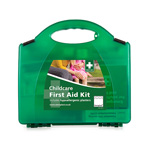
Childcare first aid kits
Start with coverage, not just contents. Most settings benefit from a clear “main kit” plus at least one grab-and-go option for rooms, outdoors or handovers. Add dedicated travel cover for trips. A common, tidy pattern is: Main kit (base) + portable kit (rooms/outdoors) + trip kit (outings).
Required
Frameworks, inspections and local policies vary. Use this page to organise what you need, then check your setting’s specific requirements.
Recommended
A main kit + a portable kit, with everyday consumables you can replenish little-and-often.
Optional upgrades
Add-ons based on your profile: frequent outings, kitchen burns risk, larger sites, multi-use venues.
Featured childcare kits
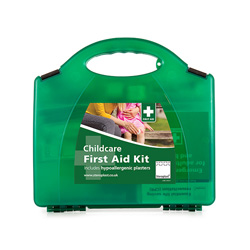
Premier HSE childcare first aid kit
View product
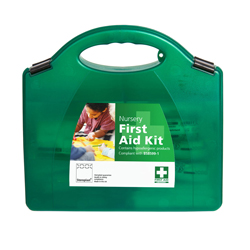
Nursery first aid kit
View product
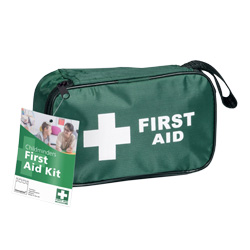
Childminder first aid kit
View product
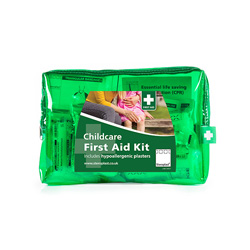
Mini childcare kit – zip pouch
View product
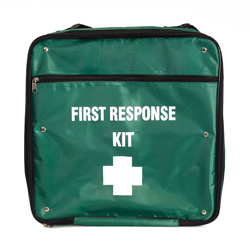
Quick-grab classroom kit
View product
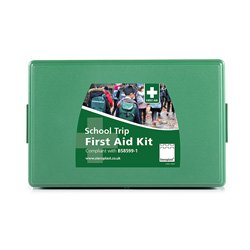
School trip travel kit
View product
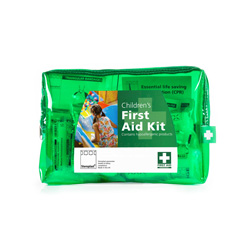
Children’s first aid kit
View product
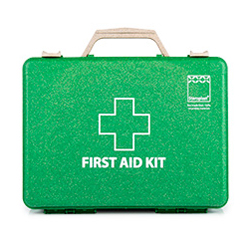
Eco-friendly first aid kit
View product
From the knowledge base
Short reads and checklists you can use to sanity-check your current provision.
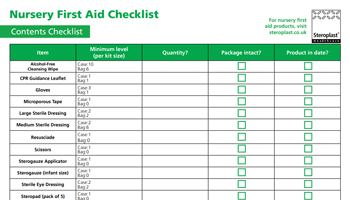
Refills and restocking
In early years environments, it’s rarely the kit that fails — it’s the day-to-day stock running out. A light-touch routine (little and often) keeps staff confident and avoids “half-empty kit” surprises.
Schedule quick checks
Weekly for busy rooms, monthly for quieter storage.
Top up high-frequency items first
Plasters, wipes, gloves and dressings are the usual “first to run out”.
Replace expired items during the same check
Don’t postpone — it keeps your kits consistently ready.
Restocking essentials
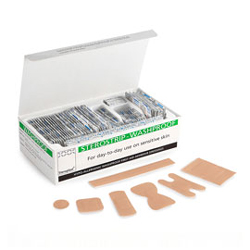
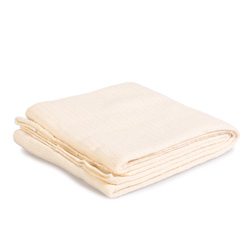
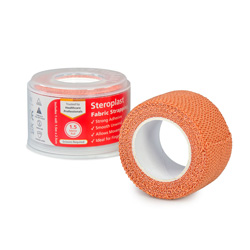
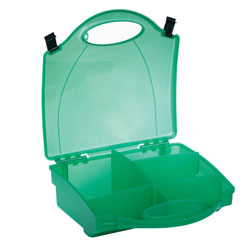
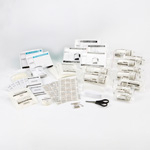
Everyday treatment supplies
This is the “daily-driver” stuff that staff reach for constantly. If you make one improvement to efficiency, make it this: keep everyday supplies consistent across rooms, with a shared restock rule.
What you’ll use most
- Plasters and dressing strips
- Cleansing wipes
- Sterile dressings and bandages
- Tape to secure dressings
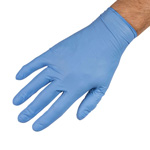
- Gloves for clean handling
Make it easy for staff
The best setup is the one staff can use confidently under pressure. Keep layouts consistent across rooms, label storage clearly and rehearse where key supplies are kept during induction.
Tip: If staff are “hunting” for a plaster or wipe, create a room-level mini stash and refill it from one central source.
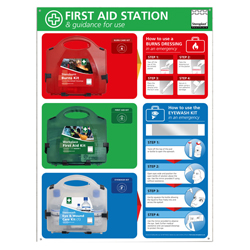
Burns, Bumps and “Seconds Matter” Emergencies
Product readiness supports trained responders — it doesn’t replace training or your setting’s procedures. This section helps you align equipment with common early years scenarios and higher-impact risks.
Common Early Years Scenarios
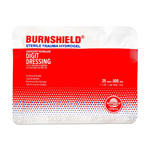
- Kitchen or hot drink burns
- Bumps and bruises from play
- Nosebleeds
- Choking risk awareness
- Allergic reactions (follow your plan and training)
Emergency-Ready Equipment
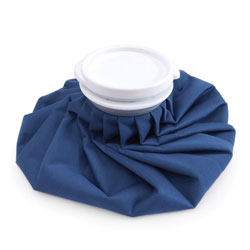
Hot & Cold Therapy
Browse Category
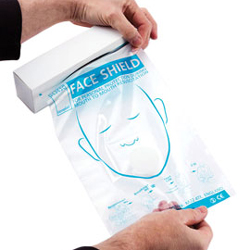
Resuscitation & CPR
Browse Category
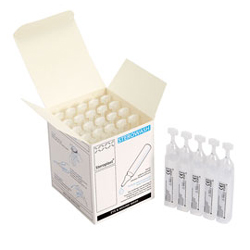
Eyecare & Protection
Browse Category
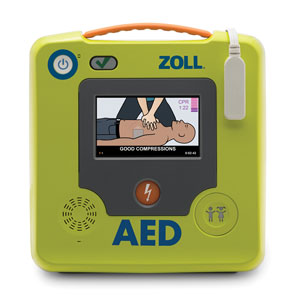
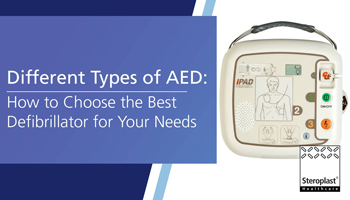
Defibrillators
Browse Category
From the Knowledge Base
Helpful reads to support assessment, staff confidence and equipment decisions.
Infection Control, Clean-up and Safe Disposal
Infection control needs move quickly, and public health guidance is updated regularly. Use these product groupings for your day-to-day stock, and link out for setting-specific stay-away and outbreak guidance.
How to Organise This Area
- Hands Wipes, hygiene and PPE
- Surfaces Disinfectants and cleaning consumables
- Incidents Spill response and biohazard solutions
- Disposal Safe routes for waste where needed
Need a Clean-up List?
If you tell us your setting type, we can help point you towards a sensible clean-up and disposal starting point.
Check the Rules Too
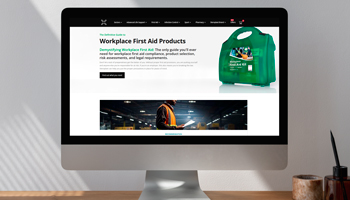
Alongside product choices, keep one reliable reference for the broader first aid and workplace framework your setting follows.
Infection Control Categories
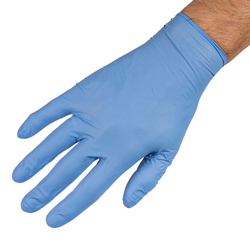
Gloves
Browse
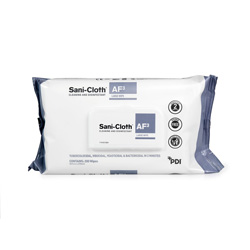
Wipes
Browse
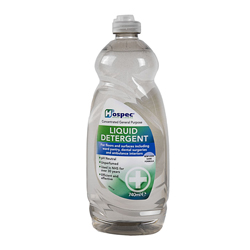
Disinfectants
Browse
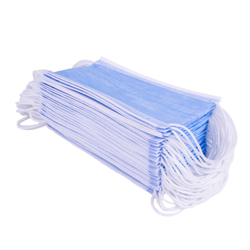
PPE
Browse
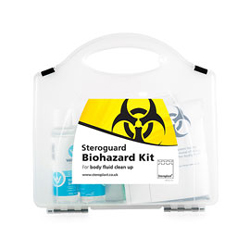
Biohazard Kits
Browse
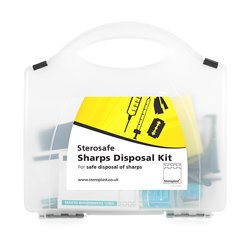
Sharps Disposal Kits
Browse
Guidance and Resources
Useful reads for routines, exclusions, outbreaks and day-to-day infection prevention.
Signage, Storage and Records
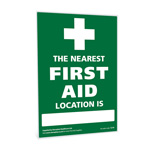
Make first aid easy to find, easy to use and easy to check. Clear signage and consistent storage reduce delays. Records help you spot repeat incidents and improve processes.
A Simple “Inspection-ready” Setup
- Clear station points One visible first aid station per main area
- Mini room supplies Duplicate smaller essentials in busy rooms
- One restock rhythm A single top-up point with a calendar reminder
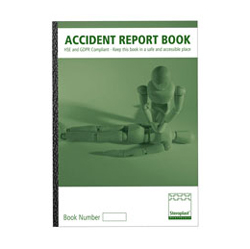
- Quick records Forms and logs staff can complete without delay
Set Up a Restock Routine
If your signage and storage are tidy but stock levels drift, build a simple little-and-often replenishment routine into the setting calendar.
Need a Compliance List?
If you want help sense-checking what your setting should keep visible, stored and recorded, we can help you build a practical starting list.
Signage, Storage and Record Categories
Guidance and Resources
Useful references for records, checklists and official early years guidance.
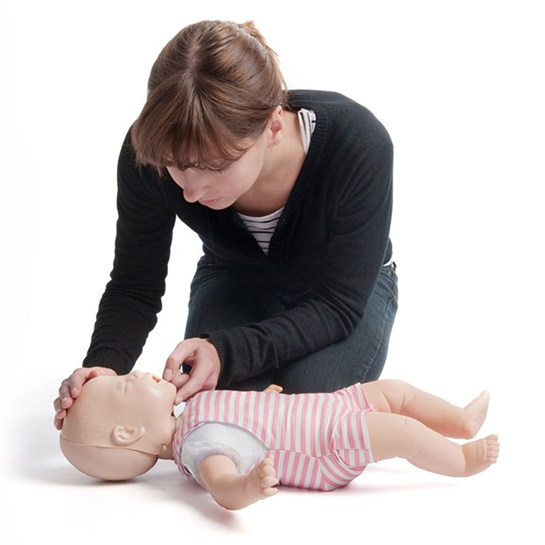
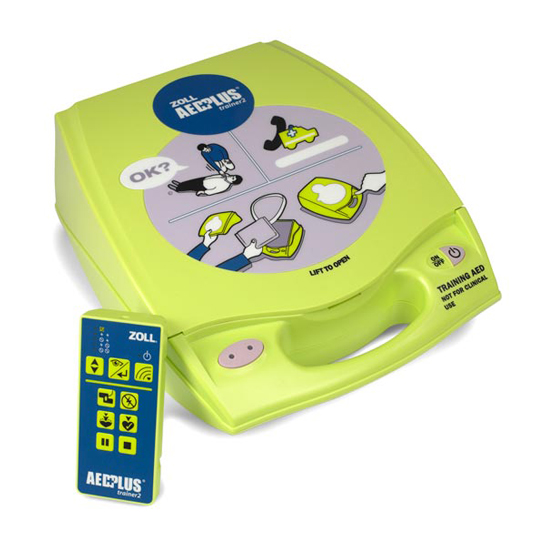
Training Equipment
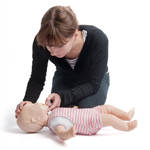
If you deliver first aid training in-house, or refresh staff confidence with drills, training equipment can make sessions more practical and consistent. This section focuses on equipment and support resources rather than medical instruction.
What Training Equipment Helps With
- Practical refreshers Give staff hands-on familiarity with equipment, layouts and checks.
- Scenario drills Support more realistic practice for incidents and room-based routines.
- Confidence building Help new staff understand what equipment is for and where it lives.
- Consistent setup Make internal refresh sessions feel structured and repeatable.
Note on Training Providers
Training requirements depend on your framework, policies and setting type. If you are unsure where to begin, start with official guidance and then check local authority or organisation requirements.
Useful Starting Points
Training-related Equipment
Guidance and Refreshers
Useful background reading for staff refreshers, confidence-building and policy conversations.
Last Step
Need Help Choosing?
If you’d like a tidy, practical list built around your layout and activities, we can help. The fastest way is to tell us your setting type, whether you do regular trips, and whether you have a kitchen or other higher-risk areas.
Quick prompt to copy and send
“We are a [nursery / preschool / childminder] with [number] children and [number] staff. We do outings [weekly / monthly / rarely]. We’d like a recommended kit setup plus a restock list for everyday supplies.”
Common Questions
A few quick answers before you get in touch.
How many first aid kits does a nursery need?
It depends on your layout and how you operate day-to-day. A simple approach is one main kit for your base area, plus additional grab-and-go kits for busy rooms, outdoor areas and trips. Use a needs assessment to decide what’s appropriate for your setting.
Do we need a kit for outings and trips?
If you take children off-site, a dedicated travel kit makes checking and carrying supplies easier. Many settings prefer a separate kit that always lives in the trips bag so it can be checked and replenished as part of the pre-departure routine.
What’s the difference between paediatric and workplace kits?
Paediatric-focused kits tend to prioritise items commonly used with children and are often selected to suit early years environments. Workplace kits are typically aligned to workplace profiles. Always choose based on your setting’s risks, policies and training.
How often should we check expiry dates and stock?
A “little-and-often” schedule works well: frequent quick checks for busy settings, and a deeper check monthly or quarterly depending on usage. If you run multiple rooms, keep one restock point and refill room supplies from there.
What records do we need to keep?
Record-keeping expectations vary. Many early years settings keep clear incident and treatment records and notify parents/carers in line with their policy. Keep the process simple so staff can complete it consistently.
Can you help us create a compliant list?
Yes — share your setting type, layout, typical activities and any higher-risk areas such as a kitchen, and we can recommend a practical kit setup plus a restock list.