
The Recommended First Aid Training Equipment List to Teach a Course
You can’t teach a first aid course without first aid training equipment. These realistic replicas give students the opportunity to practice skills in close-to-life situations. First aid training with the right equipment creates an immersive experience that helps build confidence in your students, so don’t scrimp on these essentials.
A Complete First Aid Training Equipment List
Teachers of first aid don’t just need first aid supplies. There are lots of other items necessary to help facilitate teaching and demonstration. Here’s a definitive list of items we find first aid course leaders need.
General Supplies
These are the essentials that help to enable lessons and practical activities to happen productively and safely.
- A TV or smartboard to project PowerPoint, video, and images and carry out activities for the class to see.
- A laptop, tablet, or computer to run your course from. Most course leaders will have their own devices, but if you don’t, check ahead at the facility you plan to teach at, along with all the necessary cables. Investing in a long HDMI cable (or other cable you need) may be a good idea, so you’re not restricted by where the screen or plug sockets are.
- A whiteboard or flip chart stand to help you carry out group activities and provide visual aids, along with paper and pens.
- Yoga mats. Use mats to provide a protective barrier when participants lie down on the floor. Any roll-up mat will be sufficient, but we recommend yoga mats because they are padded, wipe-clean, and take up little space when rolled up.
- Cleaning supplies, including antibacterial wipes and hand sanitiser. Disinfecting supplies are essential to minimise cross-contamination between participants when they use first aid equipment like manikins during practical activities.
- Containers or bags to transport equipment. These supplies can become damaged and lose their quality due to being transported around, so you’ll want to protect them. Using containers or carry-bags will also make transporting equipment in and out of venues and getting set up easier.
Note: any electrical equipment you use must be PAT tested. Don’t risk arriving at a venue and being turned away because a device isn’t adequately safety tested.
First Aid Supplies
Realistic models and imitation first aid supplies will help you to deliver highly effective training. Students will be able to practice and retain skills thanks to practical activities. Here’s a list of recommended first aid training equipment.
CPR Manikins
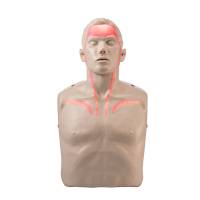
CPR manikins are one of the fundamental items in the first aid training equipment list, designed to give students a realistic body on which to practice CPR. CPR is a life-saving technique that must be used immediately when a casualty goes into cardiac arrest. So it’s an essential facet of first aid training.
Today, there are lots of different options available. At Steroplast, we sell state-of-the-art manikins made by favourite industry brands.

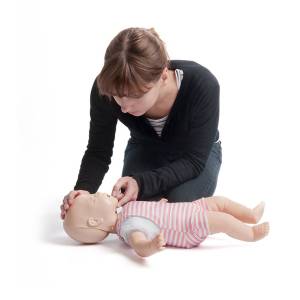
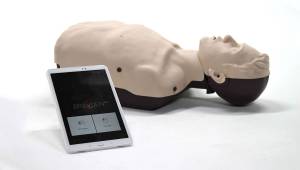
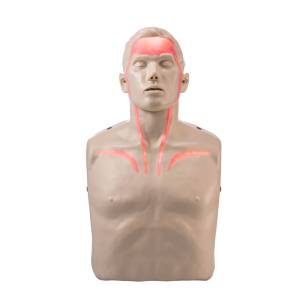
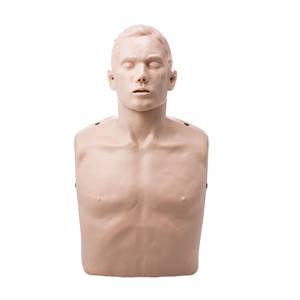
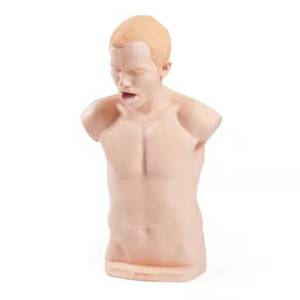
Generally, one manikin per three students is good as students can work in small groups. Consider whether the manikin has a head-tilt function. Since students need to understand how deep compressions must be, investing in a manikin that provides feedback on compression depth, position, and recoil is worthwhile. Some course leaders may prefer more cost-effective alternatives. But given the longevity of the devices and the elevated level of training they provide, we highly recommend equipping yourself with devices that offer extra value.
Where can you get cost-effective first aid training equipment? Find out in our article.
Choking Vest Trainers
This choking vest training device makes simulating a choking situation easy. Students can perform back-slaps, abdominal thrusts, and treatment of the windpipe, all in complete safety. Choking could cause suffocation in just a few minutes, so learning to identify the signs and clear someone’s airways is essential to first aid training.
AED Training Devices
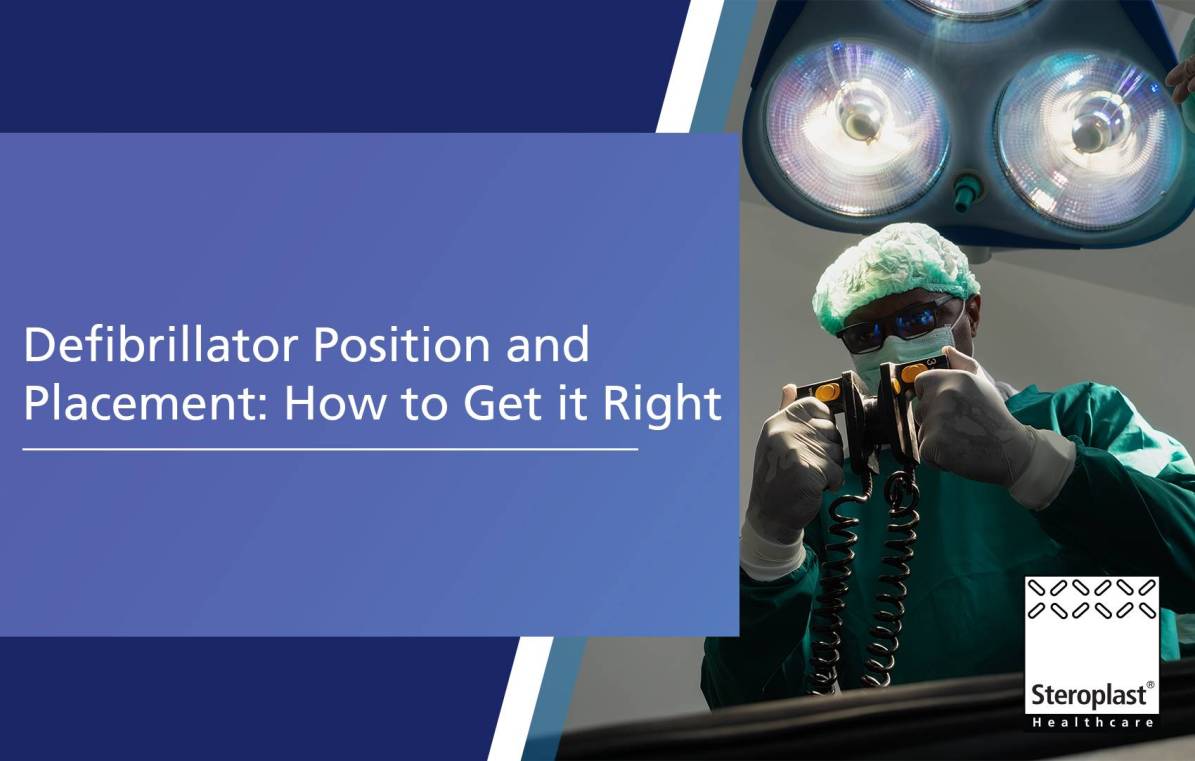
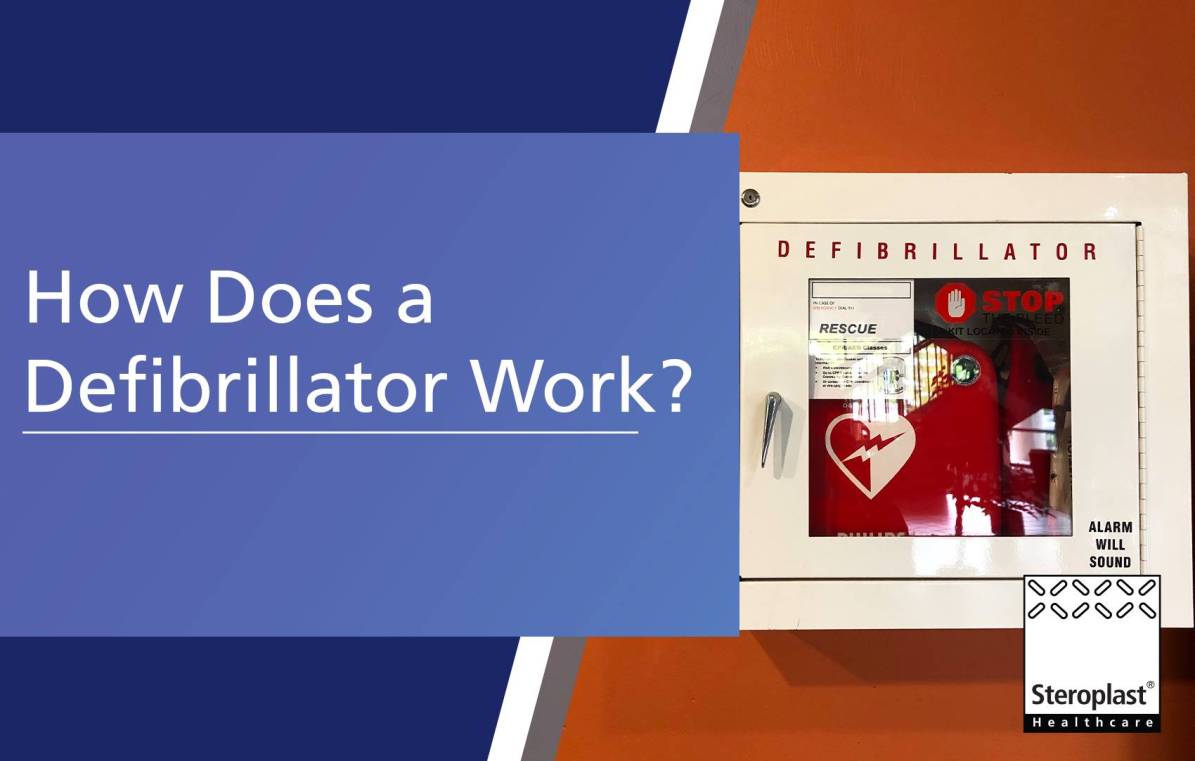
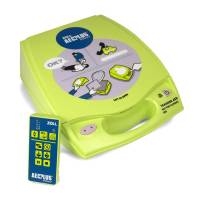
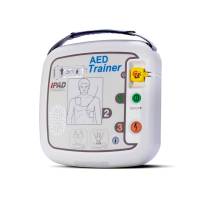
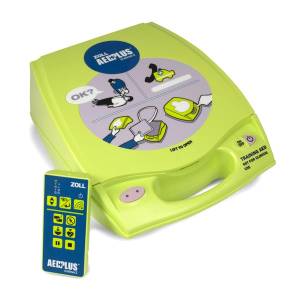
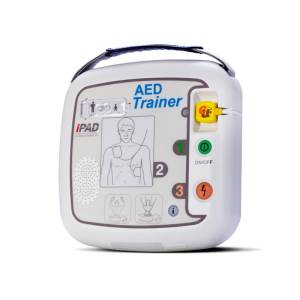
Numerous risk assessments and health and safety regulations demand training in the use of an automatic external defibrillator (AED). Cardiac arrest can be irreversible in a matter of minutes without using a defibrillator. People need the confidence to use an AED to save someone’s life quickly, so training is critical.
Resusciades
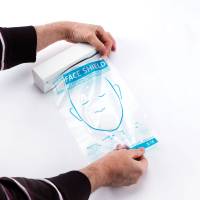
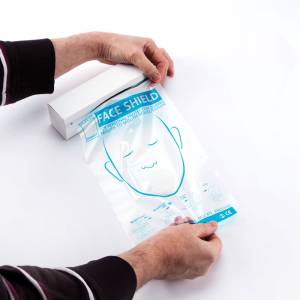
When performing CPR, using a resusciade will protect the person assisting and the casualty from cross-infection due to direct mouth-to-mouth contact. Learning to perform CPR with a resusciade will help students get ready to use one and encourage them to build confidence about delivering CPR in safety.
Tourniquets
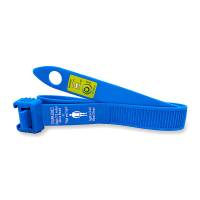
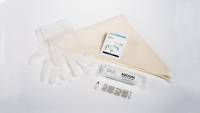
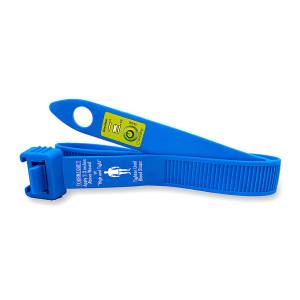
Tourniquets aren’t always classed as essential first aid training, but with more and more businesses adopting counter-terrorism measures, such as the installation of a Public Access Trauma Kit, knowing how to use a tourniquet is a valuable skill.
Consider stocking up on training tourniquets if you want to include catastrophic bleed training in your course.
Protect your business
Bridge the Care Gap with Public Access Trauma Kits
Steroplast, CityCo, and Manchester City Council have distributed 180+ PAcT Kits across Manchester to bridge the critical care gap. In emergencies, these kits provide essential supplies to manage severe bleeding until paramedics arrive. Learn how to equip your venue and ensure you're prepared.
Wound Dressings, Bandages, and Wound Dressing Tools
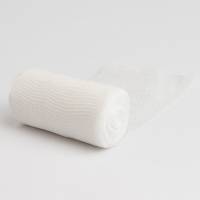
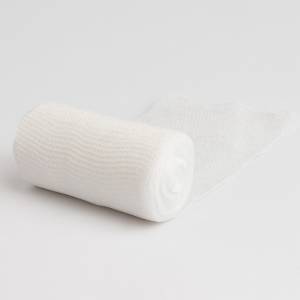
Use compression bandages, triangle bandages, and dressings to mimic real wound trauma situations and have your students practice dressing wounds on different parts of the body. Provided actual body fluids do not soil them, these can be washed and reused.

PPE
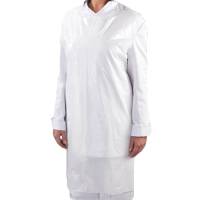
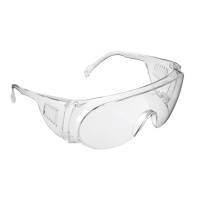
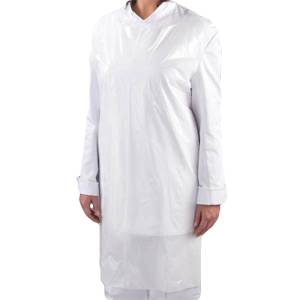
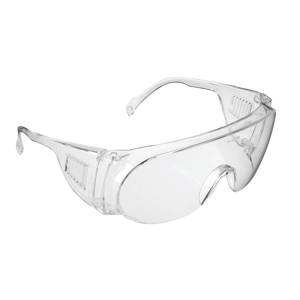
Students likely don’t need to be taught how to use PPE, but if you plan to equip them with the necessary skills for real-life situations, they will need to use PPE. Including these items in your coursework helps to instil best practices and procedures at an early stage. PPE you could include may be:
Simplify Workplace First Aid
Interactive Online Guide & Downloadable Brochure
Simplify Workplace First Aid
Interactive Online Guide & Downloadable Brochure
Choose the format that works for you: check out our Workplace First Aid Interactive Online Guide or download our 2-in-1 Workplace First Aid & Advanced Life Support Buyers Guide as an easy-to-save PDF. Both include a self-assessment, product details, and comprehensive training and support.
What qualifications do I need to teach a first aid course?
The Health and Safety Executive is the national authority on matters to do with first aid in the workplace, and this includes first aid training. Before 2013, the HSE would approve first aid training organisations to deliver courses, but now that first aid requirements and risk assessments are so unique to each business, there’s no standardised first aid training course model.
Instead, the HSE provides first aid training guidance on what is expected and what first aid training course providers should be able to demonstrate, including:
- “the qualifications expected of trainers and assessors
- monitoring and quality assurance systems
- teaching and standards of first-aid practice
- syllabus content
- certification”
Dependent on your risk assessment, your appointed first aiders will need to undertake either a FAW (first aid at work) course, an EFAW (emergency first aid at work) course, or some other type of specialist training.
- An EFAW is designed to prepare the trainee with the essential skills needed to tend to sudden injuries and illnesses at work.
- A FAW covers everything in an EFAW with additional skills to treat specific illnesses or injuries.
- Specialist training could be anything designed to train someone in a specific skill set. This could be severe trauma first aid, burncare, or chemical hazards and injuries training.
Refer to the table in the HSE's First Aid at Work guidance leaflet to help you determine which type of course you need.
While the HSE no longer endorses individual organisations for first aid training, some highly reputable organisations guarantee a standard of training that will easily meet the expectations of the HSE.
- The British Red Cross EFAW course lasts one day and offers group sessions of up to 12, flexible classes located all across the UK, and content that is always up to date on latest first aid guidance. It comes with a three-year valid certificate. The British Red Cross offers many different FAW courses, including refreshers, which are recommended by the HSE.
- St John Ambulance’s EFAW course takes one day to complete and is designed for adults working in a wide range of low-risk work environments such as offices. It covers all the common first aid skills needed and comes with a certificate valid for three years.
Visit our
Personal First Aid Online Guide
Find everything you need, from first aid kits, plasters & bandages to hot & cold therapy.
Please enter your details into the form below along with any questions or comments and a member of our team will be happy to provide you with more information:
You can’t teach a first aid course without first aid training equipment. These realistic replicas give students the opportunity to practice skills in close-to-life situations. First aid training with the right equipment creates an immersive experience that helps build confidence in your students, so don’t scrimp on these essentials.
A Complete First Aid Training Equipment List
Teachers of first aid don’t just need first aid supplies. There are lots of other items necessary to help facilitate teaching and demonstration. Here’s a definitive list of items we find first aid course leaders need.
General Supplies
These are the essentials that help to enable lessons and practical activities to happen productively and safely.
- A TV or smartboard to project PowerPoint, video, and images and carry out activities for the class to see.
- A laptop, tablet, or computer to run your course from. Most course leaders will have their own devices, but if you don’t, check ahead at the facility you plan to teach at, along with all the necessary cables. Investing in a long HDMI cable (or other cable you need) may be a good idea, so you’re not restricted by where the screen or plug sockets are.
- A whiteboard or flip chart stand to help you carry out group activities and provide visual aids, along with paper and pens.
- Yoga mats. Use mats to provide a protective barrier when participants lie down on the floor. Any roll-up mat will be sufficient, but we recommend yoga mats because they are padded, wipe-clean, and take up little space when rolled up.
- Cleaning supplies, including antibacterial wipes and hand sanitiser. Disinfecting supplies are essential to minimise cross-contamination between participants when they use first aid equipment like manikins during practical activities.
- Containers or bags to transport equipment. These supplies can become damaged and lose their quality due to being transported around, so you’ll want to protect them. Using containers or carry-bags will also make transporting equipment in and out of venues and getting set up easier.
Note: any electrical equipment you use must be PAT tested. Don’t risk arriving at a venue and being turned away because a device isn’t adequately safety tested.
First Aid Supplies
Realistic models and imitation first aid supplies will help you to deliver highly effective training. Students will be able to practice and retain skills thanks to practical activities. Here’s a list of recommended first aid training equipment.
CPR Manikins
CPR manikins are one of the fundamental items in the first aid training equipment list, designed to give students a realistic body on which to practice CPR. CPR is a life-saving technique that must be used immediately when a casualty goes into cardiac arrest. So it’s an essential facet of first aid training.
Today, there are lots of different options available. At Steroplast, we sell state-of-the-art manikins made by favourite industry brands.
Generally, one manikin per three students is good as students can work in small groups. Consider whether the manikin has a head-tilt function. Since students need to understand how deep compressions must be, investing in a manikin that provides feedback on compression depth, position, and recoil is worthwhile. Some course leaders may prefer more cost-effective alternatives. But given the longevity of the devices and the elevated level of training they provide, we highly recommend equipping yourself with devices that offer extra value.
Where can you get cost-effective first aid training equipment? Find out in our article.
Choking Vest Trainers
This choking vest training device makes simulating a choking situation easy. Students can perform back-slaps, abdominal thrusts, and treatment of the windpipe, all in complete safety. Choking could cause suffocation in just a few minutes, so learning to identify the signs and clear someone’s airways is essential to first aid training.
AED Training Devices
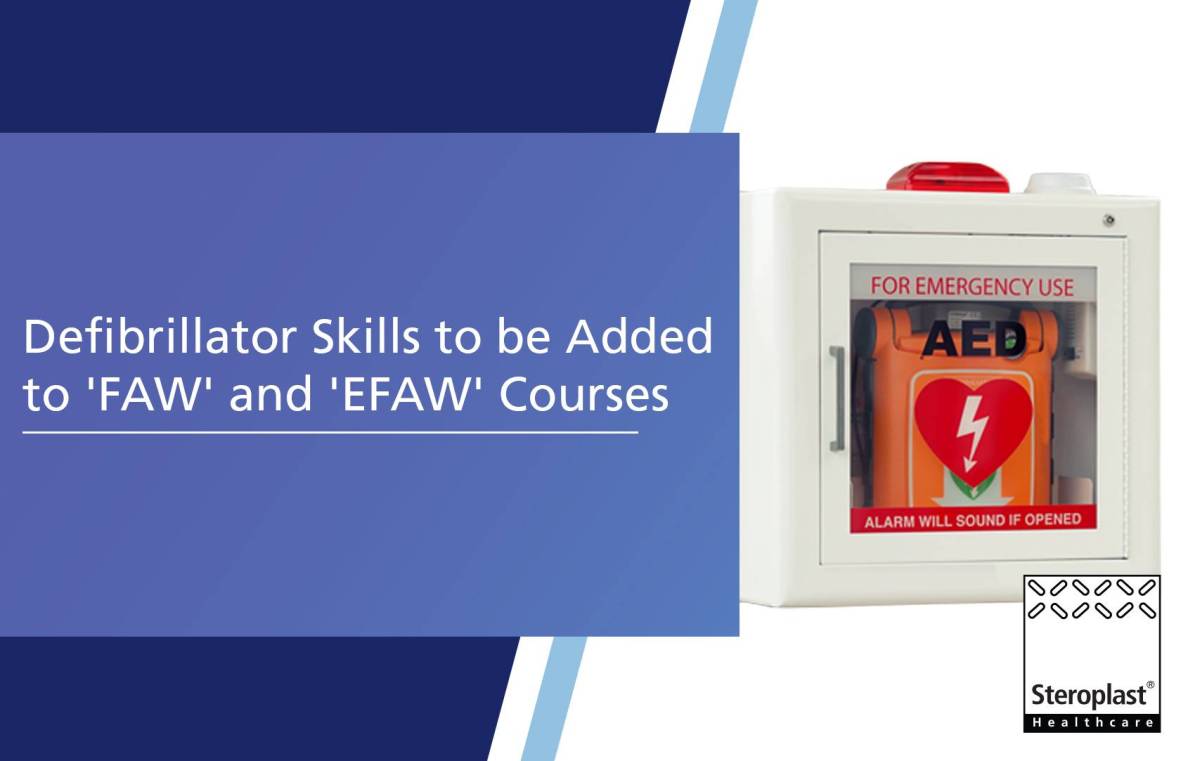
Numerous risk assessments and health and safety regulations demand training in the use of an automatic external defibrillator (AED). Cardiac arrest can be irreversible in a matter of minutes without using a defibrillator. People need the confidence to use an AED to save someone’s life quickly, so training is critical.
Resusciades
When performing CPR, using a resusciade will protect the person assisting and the casualty from cross-infection due to direct mouth-to-mouth contact. Learning to perform CRP with a resusciade will help students get ready to use one and encourage them to build confidence about delivering CPR in safety.
Tourniquets
Tourniquets aren’t always classed as essential first aid training, but with more and more businesses adopting counter-terrorism measures, such as the installation of a Public Access Trauma Kit, knowing how to use a tourniquet is a valuable skill.
Consider stocking up on training tourniquets if you want to include catastrophic bleed training in your course.
Wound Dressings, Bandages, and Wound Dressing Tools
Use compression bandages, triangle bandages, and dressings to mimic real wound trauma situations and have your students practice dressing wounds on different parts of the body. Provided actual body fluids do not soil them, these can be washed and reused.
PPE
Students likely don’t need to be taught how to use PPE, but if you plan to equip them with the necessary skills for real-life situations, they will need to use PPE. Including these items in your coursework helps to instil best practices and procedures at an early stage. PPE you could include may be:
What qualifications do I need to teach a first aid course?
The Health and Safety Executive is the national authority on matters to do with first aid in the workplace, and this includes first aid training. Before 2013, the HSE would approve first aid training organisations to deliver courses, but now that first aid requirements and risk assessments are so unique to each business, there’s no standardised first aid training course model.
Instead, the HSE provides first aid training guidance on what is expected and what first aid training course providers should be able to demonstrate, including:
- “the qualifications expected of trainers and assessors
- monitoring and quality assurance systems
- teaching and standards of first-aid practice
- syllabus content
- certification”
Dependent on your risk assessment, your appointed first aiders will need to undertake either a FAW (first aid at work) course, an EFAW (emergency first aid at work) course, or some other type of specialist training.
- An EFAW is designed to prepare the trainee with the essential skills needed to tend to sudden injuries and illnesses at work.
- A FAW covers everything in an EFAW with additional skills to treat specific illnesses or injuries.
- Specialist training could be anything designed to train someone in a specific skill set. This could be severe trauma first aid, burncare, or chemical hazards and injuries training.
Refer to the table in the HSE's First Aid at Work guidance leaflet to help you determine which type of course you need.
While the HSE no longer endorses individual organisations for first aid training, some highly reputable organisations guarantee a standard of training that will easily meet the expectations of the HSE.
- The British Red Cross EFAW course lasts one day and offers group sessions of up to 12, flexible classes located all across the UK, and content that is always up to date on latest first aid guidance. It comes with a three-year valid certificate. The British Red Cross offers many different FAW courses, including refreshers, which are recommended by the HSE.
- St John Ambulance’s EFAW course takes one day to complete and is designed for adults working in a wide range of low-risk work environments such as offices. It covers all the common first aid skills needed and comes with a certificate valid for three years.
Please enter your details into the form below along with any questions or comments and a member of our team will be happy to provide you with more information: