
What is Advanced Life Support?
Advanced life support (ALS) is a life-saving set of procedures medically-trained professionals can use to save someone’s life.
ALS not only involves the use of advanced life support equipment but the employment of leadership and management skills, critical thinking, and problem-solving to mobilise multidisciplinary teams to take action effectively to save a casualty in life-threatening cardiac and respiratory danger.
Let’s look at ALS in more detail here.
What does advanced life support mean?
ALS is a set of procedures and protocols that provide urgent care and assistance in cardiac emergencies. ALS is sometimes called Advanced Cardiac Life Support (ACLS).
ALS teaches how to:
- Recognise when someone is experiencing acute cardiac or respiratory issues.
- Treat someone using the Airway, Breathing, Circulation, Disability, Exposure (ABCDE) approach.
- Deliver CPR.
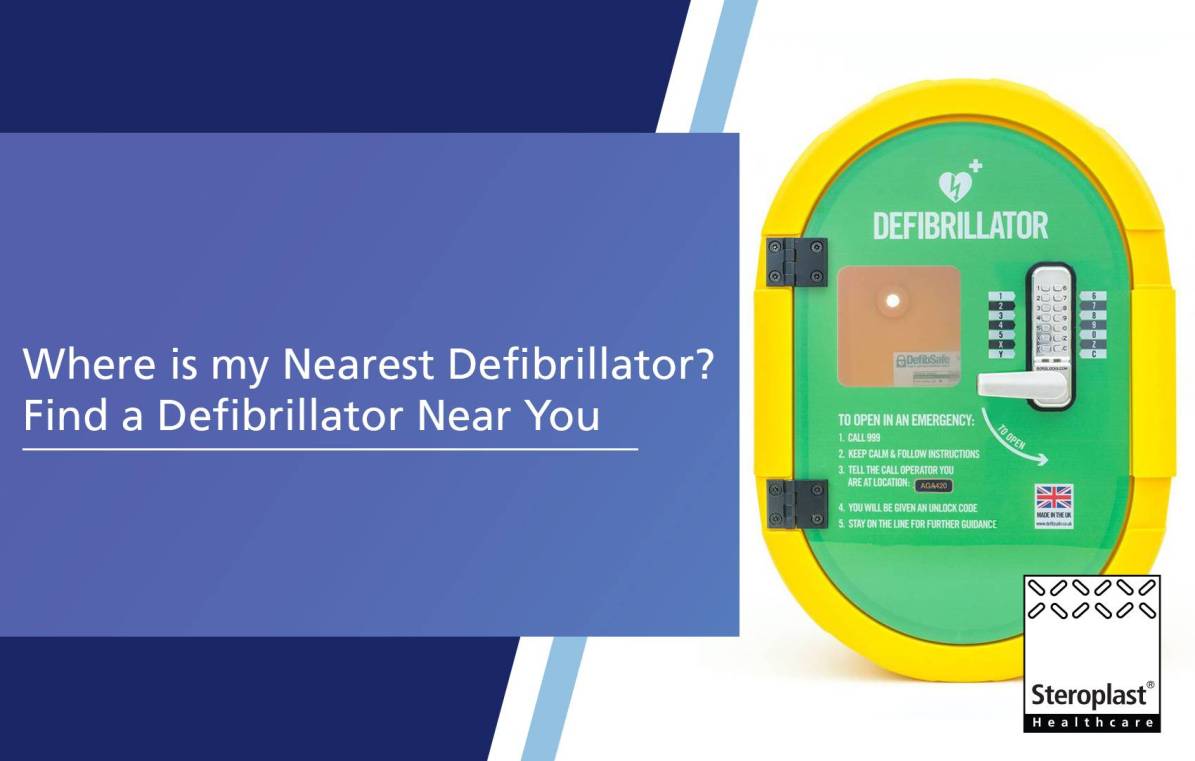
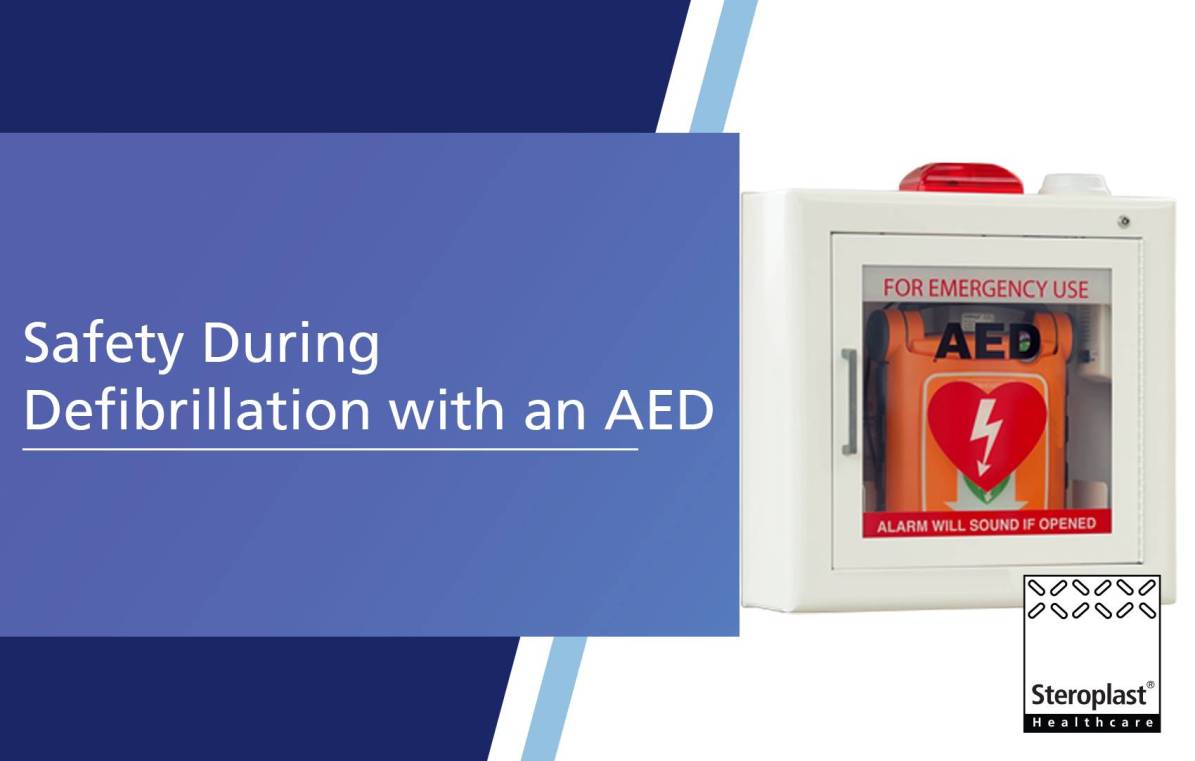
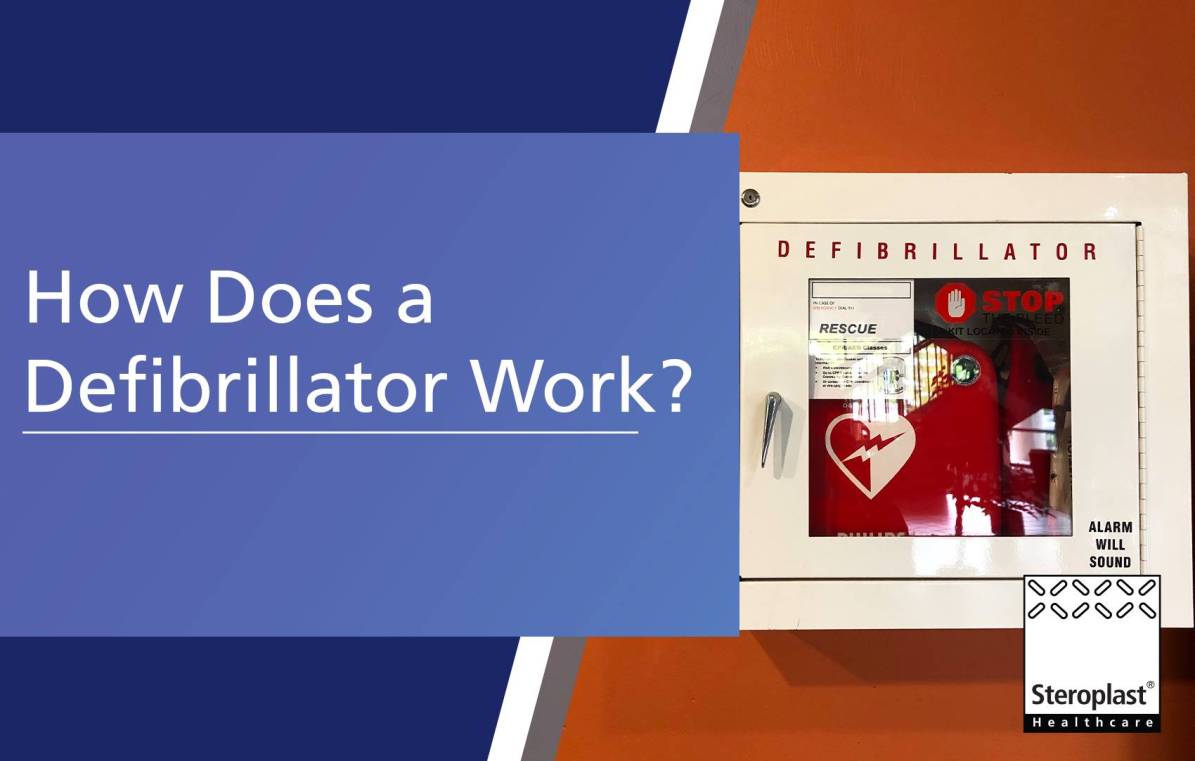
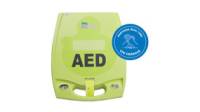
- Use a defibrillator to treat cardiac arrest.
- Manage cardiac arrest in a multidisciplinary team in a crisis.
- Manage and lead teams effectively in cardiac and respiratory emergencies.
Casualties might need ALS if they have gone into cardiac arrest, had a stroke, had a heart attack, or had a myocardial infarction.

From the Steroplast Knowledge Base
See how we’re helping Manchester United improve stadium safety
Learn how Steroplast is supporting 24/7 public access defibrillators at Old Trafford, bridging the care gap and prioritising fan safety.
Click to expand:

Please enter your details into the form below along with any questions or comments and a member of our team will be happy to provide you with more information:
Advanced life support (ALS) is a life-saving set of procedures medically-trained professionals can use to save someone’s life.
ALS not only involves the use of advanced life support equipment but the employment of leadership and management skills, critical thinking, and problem-solving to mobilise multidisciplinary teams to take action effectively to save a casualty in life-threatening cardiac and respiratory danger.
Let’s look at ALS in more detail here.
What does advanced life support mean?
ALS is a set of procedures and protocols that provide urgent care and assistance in cardiac emergencies. ALS is sometimes called Advanced Cardiac Life Support (ACLS).
ALS teaches how to:
- Recognise when someone is experiencing acute cardiac or respiratory issues.
- Treat someone using the Airway, Breathing, Circulation, Disability, Exposure (ABCDE) approach.
- Deliver CPR.
- Use a defibrillator to treat cardiac arrest.
- Manage cardiac arrest in a multidisciplinary team in a crisis.
- Manage and lead teams effectively in cardiac and respiratory emergencies.
Casualties might need ALS if they have gone into cardiac arrest, had a stroke, had a heart attack, or had a myocardial infarction.

Click to expand:

Please enter your details into the form below along with any questions or comments and a member of our team will be happy to provide you with more information: