
Treating Different Types of Burns
The World Health Organization (WHO) estimates that over 180,000 people die each year from burn injuries. Because burn wounds are difficult to manage and heal, initially, non-fatal burns can become fatal, making them a significant cause of death globally. Proper treatment of burn wounds from the initial injury through to recovery is crucial. In this article, we’ll cover various solutions for treating different types of burns, including scalds, radiation burns, burn blisters and scars, which are often difficult to manage. We’ll also detail how to treat rope and friction burns effectively.
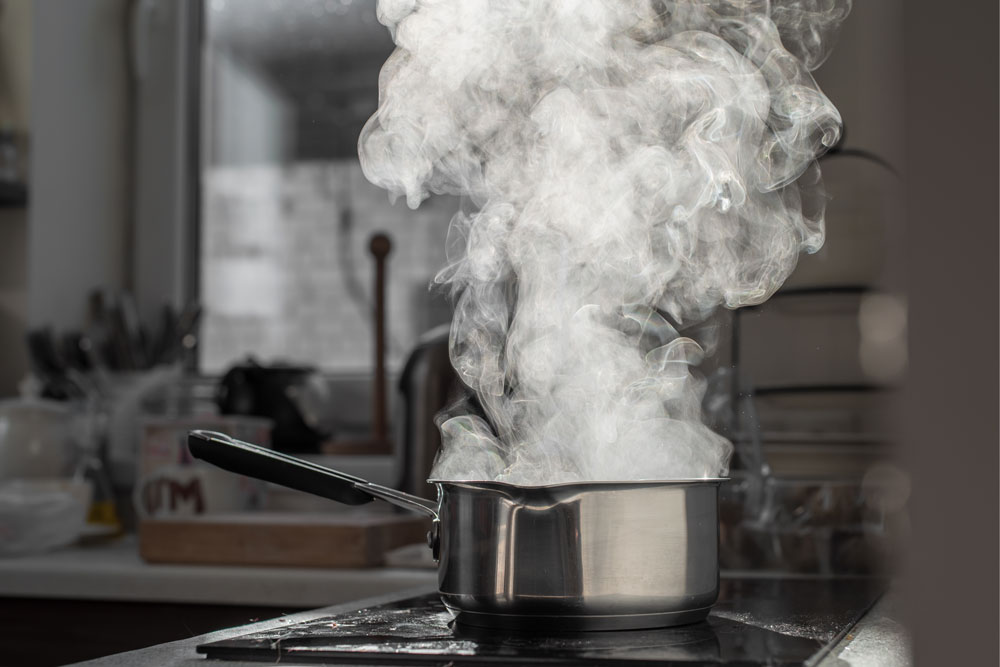
What is the best treatment for a boiling water burn?
Boiling water burns, or scalds, are caused by boiling water or steam coming into contact with the skin. They can range from minor burns to severe and should be responded to quickly to minimise potential damage and pain symptoms. Scalds are treated the same way as regular thermal burns, and acting fast limits the damage.
The NHS advises the following steps for burn and scald first aid:
How to cool a boiling water burn without access to water
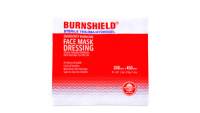
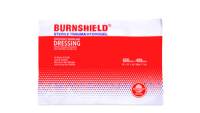
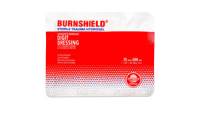
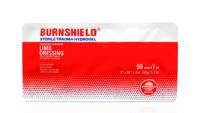
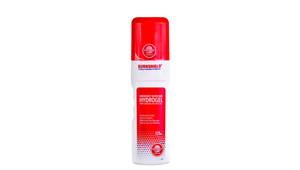
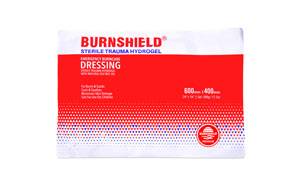
If you don’t have access to running or tepid water to cool a burn or scald, the best solution is to use burncare products found in one of our Burn First Aid Kits, such as the Premier Steroburn Burns First Aid Kit or Burncare Kit, which include Burnshield Burn Blott Sachets and Burnshield Hydrogel. This is ideal for emergency burn treatment due to its special formulation that rapidly cools burn areas, helping reduce further skin and tissue damage while providing pain relief. The hydrogel maintains hydration over the burn area and can be applied directly or sprayed over burn dressings.
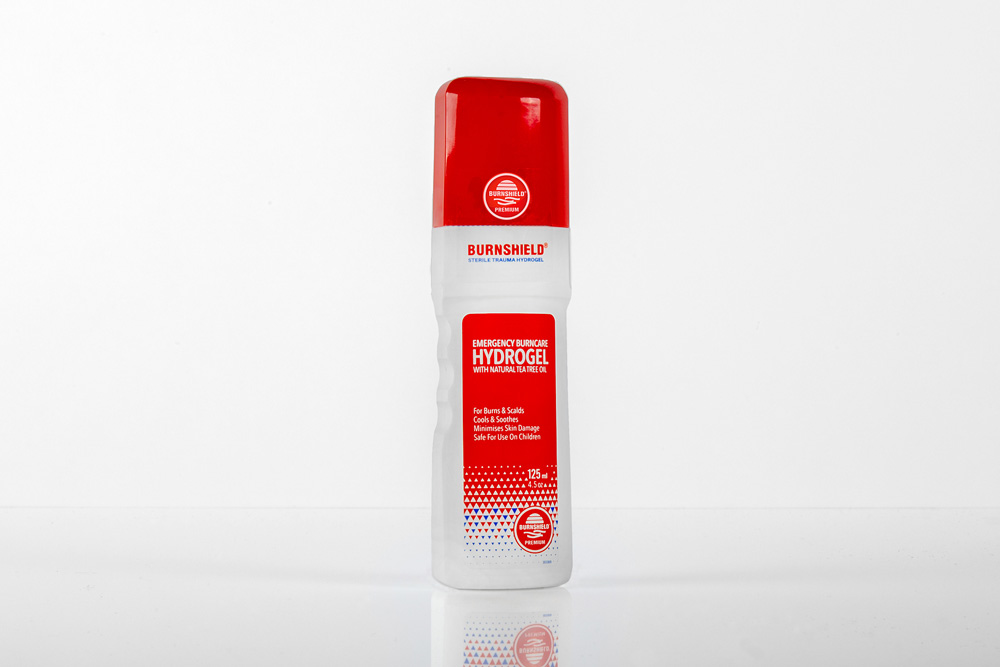
How to use Burnshield Hydrogel Products for a Boiling Water Burn (Scald)
Burnshield products are effective not just for minor thermal burns but also for more extensive burn injuries. They’re a versatile and essential burncare solution, especially where immediate access to water is limited.
Browse our range of Burnshield Hydrogel products and dressings
Starting at £7.20 £6.00
Starting at £9.00 £7.50



Visit our
Advanced Life Support Online Guide
Find everything you need from diagnostics & immobilisation to surgical instruments.
What is the best treatment for uninfected burn victims?
Treating burns effectively depends on the severity. Minor burns (first-degree) typically involve only the outer layer of skin and can be treated at home. More serious burns (second and third-degree) require professional medical attention regardless of whether they’re infected.
For uninfected burn victims, immediate and correct treatment can help minimise damage and support healing.
Follow these key steps:
Learn all about effective burn treatment and essential burncare tips on our Knowledge Base:

Simplify Workplace First Aid
Interactive Online Guide & Downloadable Brochure
Simplify Workplace First Aid
Interactive Online Guide & Downloadable Brochure
Choose the format that works for you: check out our Workplace First Aid Interactive Online Guide or download our 2-in-1 Workplace First Aid & Advanced Life Support Buyers Guide as an easy-to-save PDF. Both include a self-assessment, product details, and comprehensive training and support.
What is the best treatment for radiation burns?
Radiation burns, also called radiation dermatitis, are commonly caused by radiation therapy. Symptoms can range from mild skin redness to severe blistering and peeling. The best treatment depends on the severity of the burn. Your care regimen should focus on alleviating pain symptoms and supporting the damaged skin and tissues beneath the surface to heal naturally.
For mild radiation burns, follow these steps:
Visit our
Personal First Aid Online Guide
Find everything you need, from first aid kits, plasters & bandages to hot & cold therapy.
What is the best treatment for burn blisters?
Burn blisters are a common result of burns, especially second-degree burns. The best treatment will vary depending on the severity of the burn and blister size. In most cases, the best approach for treating a burn blister is to protect the blistered area so it can heal naturally.
Follow this guidance:
- Do not pop the blister.
- Clean the area with mild, soapy water.
- Cover it loosely with a sterile, non-adhesive bandage or plaster. If the blister breaks on its own, don't remove the loose skin unless it's very dirty.
- Clean the area and apply an antibiotic ointment before covering it with a fresh bandage.
Seek medical attention if there is:
- Redness spreading beyond the blister site
- Increased pain
- Pus
- Fever
Follow this guidance:
- Do not pop the blister.
- Clean the area with mild, soapy water.
- Cover it loosely with a sterile, non-adhesive bandage or plaster. If the blister breaks on its own, don't remove the loose skin unless it's very dirty.
- Clean the area and apply an antibiotic ointment before covering it with a fresh bandage.
Seek medical attention if there is:
- Redness spreading beyond the blister site
- Increased pain
- Pus
- Fever
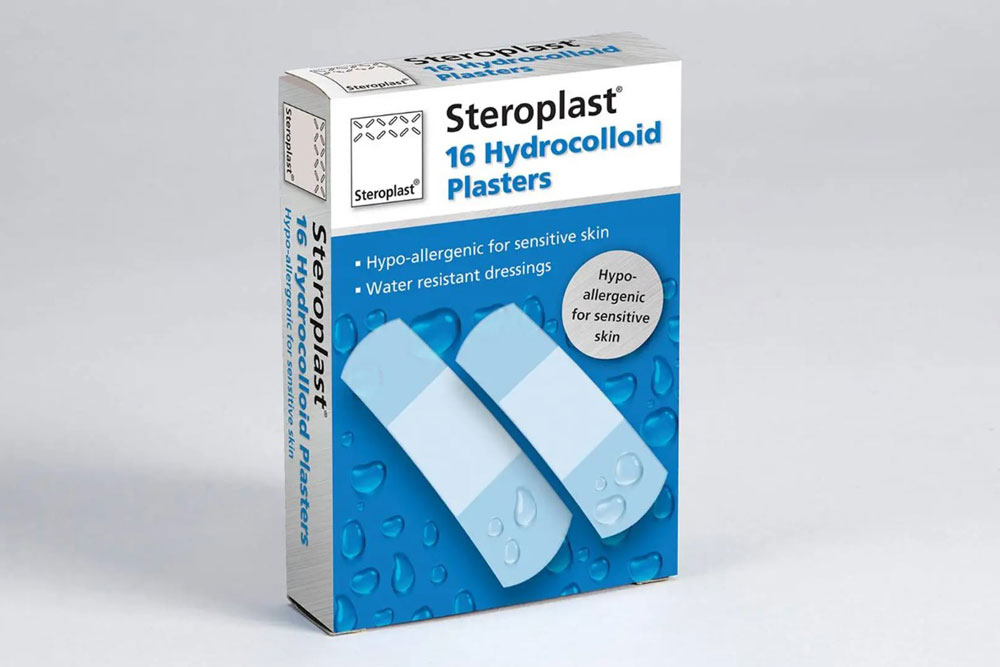
For small burn blisters, our hydrocolloid plasters help protect the area from friction and contaminants, supporting the body’s natural recovery process. Learn more about hydrocolloid plasters on our blog.
View our 2-in-1 Buyers Guide
Advanced Life Support & Workplace First Aid
Designed for professional buyers, this guide combines everyday workplace compliance with specialist emergency response equipment — helping you source everything in one place.
What is the best treatment for burn scars?
The best treatment for burn scars depends on the severity of the burn. Burns and scalds are classified as first-degree, second-degree, or third-degree burns, and any scars they cause require different treatment approaches. The likelihood of scarring increases with the severity of the burn, but early treatment, proper wound care, and medical interventions can improve healing and minimise visible scarring.
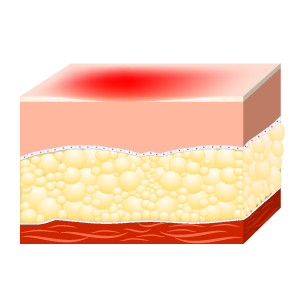
First-Degree Burns (Superficial Burns)
These burns usually heal without leaving scars. If any mild discolouration remains, treatments like moisturising creams, aloe vera, or silicone gel sheets can help fade marks over time.
Sun protection is key to preventing long-term pigmentation changes.
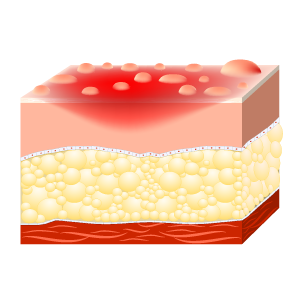
Second-degree Burns (Partial Thickness Burns)
Scarring is more likely, particularly if blisters break or the wound becomes infected. Treatment focuses on reducing scar formation with silicone gel sheets, pressure therapy, and massage.
For more persistent scars, laser therapy or steroid injections may help smooth the skin and reduce discolouration.
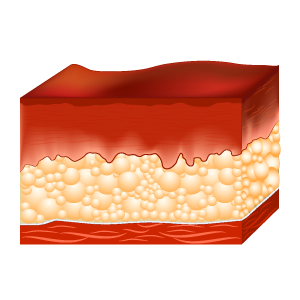
Third-degree Burns (Full Thickness Burns)
These burns almost always leave scars and may require skin grafts to replace lost tissue. Treatments like pressure garments, laser therapy, steroid injections, and surgical revision can help improve the appearance and flexibility of the scar.
Long-term care often includes physical therapy to maintain movement if scarring affects mobility
What is the best treatment for a friction burn?
Friction burns occur when skin rubs against a surface, causing heat and damage. Treatment depends on the severity.
For Minor Friction Burns (Redness, Mild Irritation):
- Stop the activity that’s causing the rubbing.
- Apply a cool compress or run cool water over the affected area.
- Gently clean the area with mild soap and water.
- Cover and protect the affected area with a sterile bandage. For areas prone to further friction, use a blister plaster like our Blister Foam Plasters. These plasters provide a protective barrier, reduce further irritation, and promote healing. They’re ideal for use on heels, toes, and other friction-prone spots.
- Avoid activities that caused the burn until it heals.
For More Severe Friction Burns (Blisters, Broken Skin):
- Do not break blisters. Intact blisters help protect the underlying skin.
- Gently wash the area with mild soap and water.
- Cover the area with a sterile, non-stick bandage.
- Seek medical attention if the burn is deep, large, or shows signs of infection (increased pain, redness, swelling, pus, fever).
Preventing Friction Burns:
- Wear well-fitting shoes and socks.
- Use lubricants like petroleum jelly or talcum powder in areas prone to friction.
- Wear appropriate protective clothing for activities that may cause friction.
- Use our blister plasters proactively to protect vulnerable areas before friction occurs, especially during activities that cause blisters and friction burns. They create a cushioning barrier to prevent rubbing and irritation. Learn all about blister plasters on our blog.
For Minor Friction Burns (Redness, Mild Irritation):
- Stop the activity that’s causing the rubbing.
- Apply a cool compress or run cool water over the affected area.
- Gently clean the area with mild soap and water.
- Cover and protect the affected area with a sterile bandage. For areas prone to further friction, use a blister plaster like our Blister Foam Plasters. These plasters provide a protective barrier and reduce further irritation. They’re ideal for use on heels, toes, and other friction-prone spots.
- Avoid activities that caused the burn until it heals.
For More Severe Friction Burns (Blisters, Broken Skin)
- Do not break blisters. Intact blisters help protect the underlying skin.
- Gently wash the area with mild soap and water.
- Cover the area with a sterile, non-stick bandage.
- Seek medical attention if the burn is deep, large, or shows signs of infection (increased pain, redness, swelling, pus, fever).
Preventing Friction Burns:
- Wear well-fitting shoes and socks.
- Use lubricants like petroleum jelly or talcum powder in areas prone to friction.
- Wear appropriate protective clothing for activities that may cause friction.
- Use our blister plasters proactively to protect vulnerable areas before friction occurs, especially during activities that cause blisters and friction burns. They create a cushioning barrier to prevent rubbing and irritation. Learn all about blister plasters on our blog.
Limited-Time Deal on Personal First Aid
20% off Steroplast Mini Burn First Aid Kits
Fast, effective treatment for common burn injuries at home, work or on the move. Includes Burnshield dressings and hydrogel sachets for immediate cooling and pain relief. Supplied in a compact plastic case for kitchens, vehicles and grab bags.
Use code BURNCARE20 at checkout.
What is the best treatment for a rope burn?
Rope burns are a type of friction burn caused by rope rubbing against the skin. Treatment depends on the severity.
For Minor Rope Burns (Redness, Mild Irritation):
- Immediately stop the activity causing the rope burn.
- Run cool (not cold) water over the burn for 10-15 minutes, or apply cool compresses.
- Gently clean the affected area with mild soap and water.
- Apply a thin layer of antibiotic ointment to help prevent infection.
- Loosely cover the burn with a sterile, non-stick bandage.
For More Severe Rope Burns (Blisters, Broken Skin, Deep Wounds):
- Leave blisters intact.
- Gently wash the area with mild soap and water.
- Cover the area with a sterile, non-stick bandage.
- Deep wounds, large burns, or signs of infection (increased pain, redness, swelling, pus, fever) require immediate medical care. Do not attempt to treat these burns yourself.
Preventing Rope Burns:
- Wear gloves when working with ropes, especially when handling heavy loads or performing tasks that involve repetitive rope movements.
- Use proper techniques when handling ropes to minimise friction.
- Wear protective clothing like long sleeves and pants to protect exposed skin.
- Regularly inspect ropes for wear and tear, as frayed or damaged ropes are more likely to cause burns.

For Minor Rope Burns (Redness, Mild Irritation):
- Immediately stop the activity causing the rope burn.
- Run cool (not cold) water over the burn for 10-15 minutes, or apply cool compresses.
- Gently clean the affected area with mild soap and water.
- Apply a thin layer of antibiotic ointment to help prevent infection.
- Loosely cover the burn with a sterile, non-stick bandage.
For More Severe Rope Burns (Blisters, Broken Skin, Deep Wounds):
- Leave blisters intact.
- Gently wash the area with mild soap and water.
- Cover the area with a sterile, non-stick bandage.
- Deep wounds, large burns, or signs of infection (increased pain, redness, swelling, pus, fever) require immediate medical care. Do not attempt to treat these burns yourself.
Preventing Rope Burns:
- Wear gloves when working with ropes, especially when handling heavy loads or performing tasks that involve repetitive rope movements.
- Use proper techniques when handling ropes to minimise friction.
- Wear protective clothing like long sleeves and pants to protect exposed skin.
- Regularly inspect ropes for wear and tear, as frayed or damaged ropes are more likely to cause burns.link