The Complete 2026 Report on First Aid and Safety Preparedness for Nurseries, EYFS, and Childcare Professionals
The Complete 2026 Report on First Aid and Safety Preparedness for Nurseries, EYFS, and Childcare Professionals
Nurseries, EYFS settings, and childminders face unique first aid challenges: children aged 0–5 have limited capacity to communicate pain or distress, are at higher risk of choking and anaphylaxis, have developing immune systems, and rely on adults for all aspects of safety. Minor incidents occur daily (cuts, bumps, nosebleeds), while rare emergencies (choking, anaphylaxis, cardiac arrest) demand immediate, confident responses within seconds.
In this report:
- Legal requirements from Health and Safety (First Aid) Regulations 1981, EYFS Statutory Framework (September 2025 updates), and Ofsted expectations
- Realistic guidance on first aid kits, emergency equipment, training standards, and incident management
- Actionable protocols for high-frequency incidents and low-frequency, high-impact emergencies
- Infection control measures, exclusion periods, and hygiene standards
- Compliance monitoring through kit checks, accident review, and fire safety drills
- Future-proofing for Ofsted's renewed framework, sustainability, and digital safeguarding
Nursery managers, childminders, EYFS practitioners, designated safeguarding leads, health and safety coordinators, and training coordinators responsible for children aged 0–5 in registered early years settings.
Table of Contents
1. Environment & risk context
High-frequency incidents
Why this matters: Minor cuts, grazes, bumps, nosebleeds, and splinters occur daily. Normalised risk leads to depleted kits, poor wound cleaning, infection, and parental dissatisfaction. Staff desensitisation masks inadequate provision until inspections or serious incidents expose gaps.
Browse First Aid Kits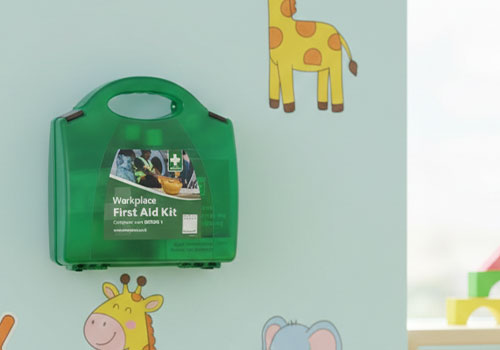
| Incident | Frequency | Consequence if unprepared |
|---|---|---|
| Cuts, grazes, scrapes | Multiple per day | Infection, inadequate cleaning, risk to health |
| Bumps, bruises | Daily | Missed serious injury, insufficient monitoring |
| Head injuries | Weekly | Failure to recognise a concussion, delayed medical attention |
| Nosebleeds | Weekly | Poor hygiene, cross-contamination |
| Splinters | Weekly | Inadequate removal tools, infection |
Low-frequency, high-impact emergencies
Why this matters: These incidents are rare but life-threatening. Response window: seconds to 2 minutes before irreversible harm. Incorrect or delayed action could cause permanent disability or, in very serious cases, death.
| Emergency | Critical window | Consequence of delay |
|---|---|---|
| Choking | Immediate action | Unconsciousness, serious complications, death |
| Anaphylaxis | Immediate action | Respiratory failure, cardiac arrest |
| Cardiac arrest | 7–10% survival decrease per minute | Death |
| Burns (inadequate cooling) | <20 minutes optimal | Increased scarring, tissue damage |
| Severe asthma attack | Immediate action | Respiratory failure |
2. UK legal & regulatory context
Health and Safety (First Aid) Regulations 1981
For children in educational and childcare settings, there are separate statutory requirements outside those Regulations. In England, the Early Years Foundation Stage (EYFS) statutory framework mandates paediatric first aid training, accessible first aid kits, a written policy and procedures, and that a qualified first aider is present whenever children are on the premises or on outings.
Find childcare first aid kits that fit these standards.
Shop Childcare Kits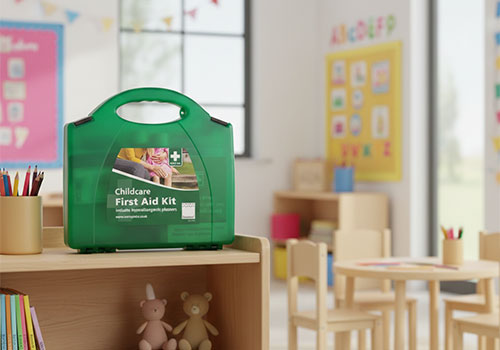
Legal duty: Employers must provide adequate first aid equipment, facilities, and trained personnel. "Adequate" is determined by needs assessment covering number of people, injury types, and proximity to medical services.
EYFS Statutory Framework
Key sections (updated September 2025):
- 3.25, 3.50, 3.51: Accident recording, parent notification, Ofsted reporting
- 3.54: Premises fit for purpose; health and safety compliance
- 3.60: Adequate toilets, handwashing, hygienic changing areas
- 3.65: Risk assessments required; written where helpful
- Enhanced requirements (September 2025): PFA present at all meals/snacks (choking risk), safer eating procedures, absence follow-up, detailed safeguarding policy
Paediatric first aid requirements
| Aspect | Full PFA (12 hours) | Emergency PFA (6 hours) |
|---|---|---|
| EYFS compliance | Meets requirement | Supplementary only |
| Validity | 3 years | 3 years |
| Content | CPR, choking, bleeding, shock, burns, head injury, seizures, anaphylaxis, asthma, diabetic emergencies | CPR, choking, bleeding, shock, seizure (basic) |
| Who needs it | Childminders, designated first aiders, Level 2/3 staff (post-June 2016), students/trainees (from September 2025) | Supplementary staff, volunteers |
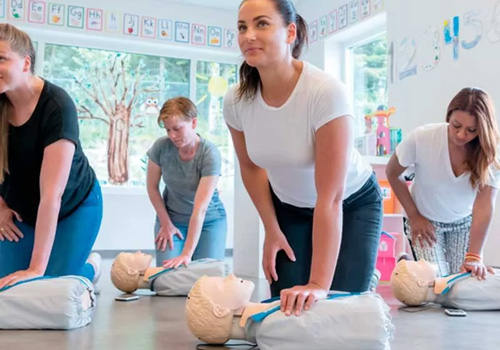
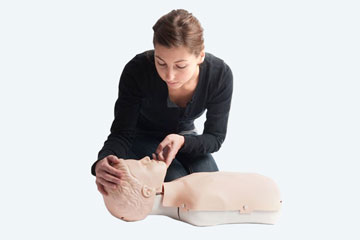
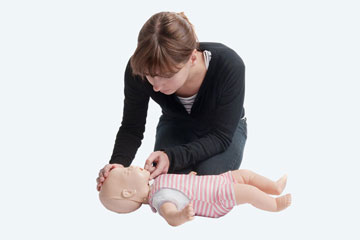
Training must include: Practical skills (CPR on manikins, choking techniques), face-to-face component, competence assessment.
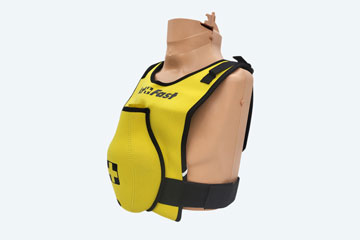
Find junior and baby CPR manikins for on-site regular top-up practice and specialised child anti-choking training vests.
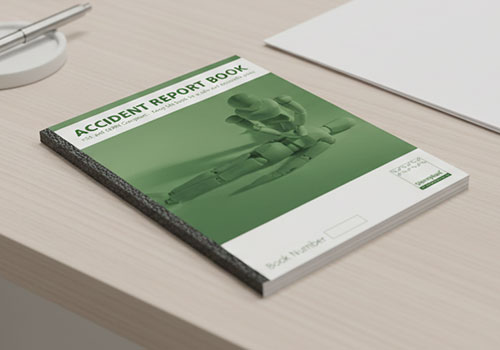
Accident reporting: EYFS, Ofsted, RIDDOR
| Incident | EYFS record? | Ofsted? | RIDDOR? |
|---|---|---|---|
| Minor graze from carpet trip | Yes | No | No |
| Fall from climbing frame (no fault), A&E, discharged same day | Yes | Possibly (if judged serious) | No (not work-related) |
| Fall from broken step, fractured arm | Yes | Yes | Yes (unsafe premises) |
| Severe allergy due to inadequate protocol, ambulance | Yes | Yes | Yes (work-related failure) |
| Child bitten by another child; wound treated with skin glue | Yes (both) | Possibly (if severe injury or safeguarding issue) | No (behavioural) |
Legal vs best practice
Here’s what to do based on UK EYFS statutory requirements and health & safety guidance:
| Aspect | Legal minimum | Best practice |
|---|---|---|
| PFA staff | 1+ on-site alwayswhen children present; must accompany outings | Multiple; 1 per room; deputies |
| Kit contents | "Appropriate" per risk assessment | BS8599 compliant; burn kits; eyewash; AED |
| Kit access | Accessible always | Within 60 seconds; 1 per floor; portable for outings |
| AED | Not mandatory | Strongly encouraged; paediatric pads |
| Allergy plans | Healthcare plans required | Spare AAI held; photo displays; extra training |
| Accident review | None | Monthly pattern analysis |
3. First aid provision in practice
Adequate provision components
Gov.uk requires “a suitable first aid container stocked in accordance with the findings of the first aid needs assessment and holding at least the minimum requirements suggested by HSE.”
Four components should be in place:
- Trained personnel (PFA) available on-site
- Appropriate equipment accessible and current
- Clear protocols documented and known by all staff
- Ongoing maintenance (checking, restocking, reviewing)
First aid kit contents
No statutory list exists; contents are determined by an assessment that considers: child numbers/ages, activities, proximity to medical services, and children with specific needs.
Contents of an HSE childcare first aid kit (low-risk starting point):
| Item | Quantity | Purpose |
|---|---|---|
| CPR guidance leaflet | 1 | Quick reference during resuscitation |
| Disposable gloves (nitrile) | 3 pairs | Infection control during treatment |
| Microporous tape | 1 | Securing dressings without irritating skin |
| Non-woven triangular bandages | 4 | Slings, immobilising limbs, securing dressings |
| Resusciade one-way valve | 1 | Barrier protection during CPR (mouth-to-mouth) |
| Scissors | 1 pair | Cutting dressings, clothing, or tape safely |
| Sterile eye dressings | 2 | Covering and protecting eye injuries |
| Sterile large dressings | 2 | Covering large wounds or burns |
| Sterile medium dressings | 2 | Treating cuts, grazes, and moderate wounds |
| Sterile saline cleansing wipes | 10 | Cleaning wounds before applying dressings |
| Sterogauz applicator | 1 | Applying tubular gauze over fingers/toes |
| Sterogauz Size 01 | 1 | Tubular gauze for finger/toe injuries |
| Steropad wound dressings | 5 | Absorbent dressings for larger or bleeding wounds |
| Steroswab gauze swabs | 5 | Cleaning or padding wounds, applying pressure |
| Washproof assorted hypoallergenic plasters | 20 | Covering small cuts, preventing infection |
Additional nursery-recommended items:
Specialist equipment
Burn care:
- Hydrogel dressings or gels; cling film; burncare kits
- Why critical: Hot drinks scald 15 minutes after making; children's thinner skin means worse injury; inadequate cooling increases scarring
Find hydrogel dressings, burncare kits, or browse all burncare supplies.
Anaphylaxis:
- Parent-provided AAIs stored accessibly (not locked)
- Spare AAI (where consented) since October 2017
- Doses: <6 years = 150mcg; 6–12 years = 300mcg
- Critical: Administer immediately when suspected—delays are fatal
AEDs:
- Not mandatory but DfE-encouraged
- NHS Supply Chain discount available
- Paediatric pads required (<8 years or <25kg); adult pads acceptable if unavailable (front/back placement)
- Training increases confidence; AEDs guide users
- Survival: Decreases 7–10% per minute without intervention
Recommended AEDs for EYFS Settings
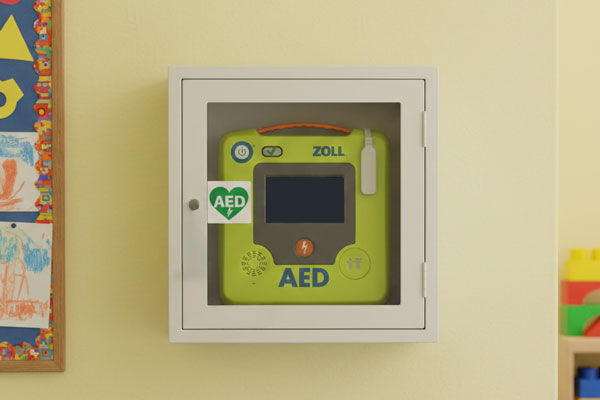
ZOLL AED 3 (Semi-Auto)
- Real-time CPR feedback on full-colour screen
- Switches easily between adult/child mode
- Universal pads (adult + child) included
- Water/dust resistant (IP55), 1 m drop-tested
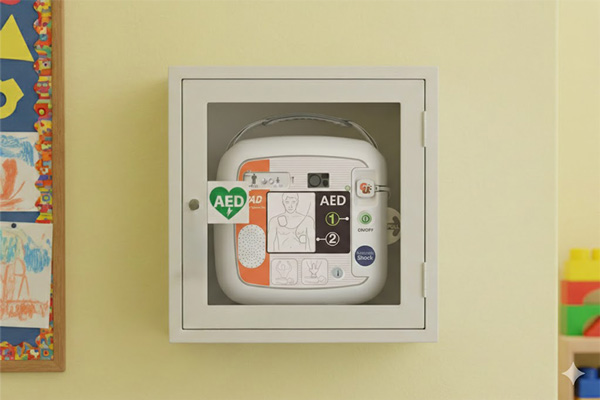
iPAD SP1 (Semi-Auto)
- NHS-compatible, easy to use with voice prompts
- Dual pads for adults and children
- Simple child mode switch
- Provides detailed information to paramedics
Essential AED Accessories for Schools
- Spare universal pads (ZOLL CPR Uni-Padz or iPAD Smart Pads)
- Child-specific pads (iPAD SP1 Paediatric Pads, 1–8 yrs)
- Replacement batteries (ZOLL AED 3 or iPAD SP1)
- CPR face shields (resusciade) — dispenser roll or individually wrapped
Storage and access
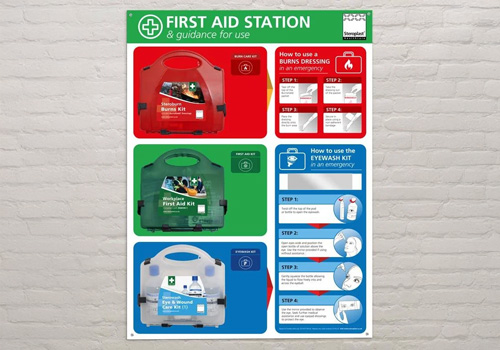
Wall-mounted first aid kit stations keep supplies safe and visible, and can contain visual guidance for use in emergencies. The access standards for first aid kits are:
- Within 60 seconds from injury point
- One kit per floor in multi-level buildings
- Portable kit for outdoor/off-site
- Never locked without immediate key access
- Clearly marked (white cross, green background)