The Complete 2026 Report on First Aid and Safety Preparedness for Beauty, Tattoo, and Aesthetics Businesses
The Complete 2026 Report on First Aid and Safety Preparedness for Beauty, Tattoo, and Aesthetics Businesses
Beauty professionals, salon owners, tattoo artists, piercing practitioners, and aesthetics clinicians carry a legal, moral, and professional duty to protect clients, staff, and visitors from foreseeable harm. This report provides a single, authoritative reference for meeting healthcare, first aid, health and safety, and emergency preparedness responsibilities in UK beauty, body art, and aesthetics settings in 2026.
More than a compliance checklist, this is a decision-support framework that shows you what risks apply to your environment, what the law requires, and critically, what you must do, provide, and maintain to demonstrate competence when it matters most.
Business owners, studio managers, and practitioners responsible for first aid, hygiene, infection control, and health and safety compliance in beauty salons, nail bars, barbershops, tattoo and piercing studios, aesthetics clinics, and freelance/mobile beauty services.
Contents Table
Practical Products for Beauty, Tattoo, and Aesthetics Safety
From workplace first aid kits and eyewash to sharps disposal, biohazard kits, gloves, disinfectants, and AEDs, Steroplast can support businesses that need to stay safe, professional, and compliant.
Browse Steroplast’s Range1. Understand Your Risk Profile
Why this matters: Beauty, tattoo, piercing, and aesthetics environments involve close contact, sharps, chemicals, and bodily fluids, so minor incidents are common and rare, but serious emergencies can escalate quickly in small teams or lone-working situations.
Typical environments include salons, nail bars, tattoo and piercing studios, barbershops, and mobile treatments in client homes, often with limited immediate clinical support. You are directly responsible for client safety during treatments that carry risks of infection, injury, fainting, and allergic reactions.
Highest Priority Hazards
- Sharps and blood exposure
- Chemical splashes and fumes
- Syncope and collapse
- Allergic reactions
- Burns, slips, and rare critical events
| Risk area | Key facts | What you must put in place |
|---|---|---|
| Sharps injuries | Needles, microblades, razors, and scalpels create blood-borne virus risk (Hepatitis B, C, HIV). Regulations require safe use and disposal. | Use safer sharps where possible, ban recapping, provide sharps bins at the point of use, and implement a clear sharps injury and post-exposure protocol with RIDDOR triggers where applicable. |
| Chemical exposure | Hair dyes, nail products, peels, and cleaning agents can cause burns, dermatitis, and respiratory issues. COSHH applies. | Maintain a COSHH inventory and risk assessments, standardise products, provide local exhaust or good ventilation, PPE, spill kits, and eyewash within 10 seconds’ walk of hazards. |
| Client fainting (syncope) | Common during injections, waxing, tattoos, and long treatments due to anxiety, needle phobia, or standing too long. | Train staff to recognise early signs, position clients safely, protect the airway, and avoid resuming treatment the same day after an episode. |
| Allergic reactions and anaphylaxis | Cosmetic ingredients, fillers, lidocaine, chlorhexidine, and latex can trigger reactions that escalate within minutes. | Take structured medical histories, carry out patch tests, flag known allergies, ensure immediate access to adrenaline auto-injectors where prescribed, and drill anaphylaxis response following Resuscitation Council guidance. |
| Slips, trips, falls, and burns | Wet floors, trailing cables, hot wax, straighteners, and lasers cause frequent accidents. | Keep clear walkways, fix cables, use non-slip flooring and mats, maintain equipment, and stock burncare products where hot equipment or chemicals are used. |
| Low-frequency, high-impact events | Around 1 in 100 people in the UK has epilepsy, and cardiac arrest survival falls by about 10% for every minute without defibrillation, making seizures and cardiac arrest rare but critical in public-facing settings. | For higher-risk invasive aesthetics and tattoo work, consider AED access, bleed-control kits, hyaluronidase (where used within scope), and clear 999-calling and transfer protocols. |
Tattoo & Piercing
Highest focus on sharps, blood exposure, clinical waste, post-exposure procedures, and immediate bleed control.
Beauty & Hair
Chemical exposure, hot tools, waxing burns, slips, and allergy risks should shape what you stock and train for.
Aesthetics Clinics
More invasive procedures increase the need for clinical-style infection control, emergency planning, and rapid escalation protocols.
Practical takeaway: Your safest businesses are the ones that match first aid, emergency planning, infection control, and staff training to the real treatments you perform every day, not to a generic salon checklist.
2. Turn Legal Duties Into Clear Actions
Why this matters: HSE, local authorities, insurers, and (for some services) CQC judge you on what you do and document, not just what you know.
Written assessments, current policies, trained staff, stocked equipment, incident records, and evidence that procedures are actually followed.
| Law/standard | Core requirement in plain language | What you must do in practice |
|---|---|---|
| Health and Safety at Work Act 1974 | Protect employees and others from reasonably foreseeable harm. | Complete written risk assessments for treatments, sharps, chemicals, and infection control; review at least annually and after incidents or new services. |
| First Aid Regulations 1981 (amended) | Provide “adequate and appropriate” first aid equipment, facilities, and people. | Carry out a first aid needs assessment, confirm kit sizes, appoint first aiders or an appointed person, and ensure information is shared with all staff. |
| COSHH Regulations 2002 | Identify hazardous substances, assess risks, and control exposure. | Keep an up-to-date COSHH register, store Safety Data Sheets, train staff in safe use, dilution, PPE, ventilation, eyewash use, and spill procedures. |
| Sharps Regulations 2013 | Prevent sharps injuries and manage any incidents properly. | Provide lockable, puncture-resistant sharps bins at point of use, prohibit recapping, train staff, and document sharps injuries with a defined follow-up pathway. |
| Management of Health and Safety at Work Regulations 1999 | Require “suitable and sufficient” risk assessments and preventive measures. | Document treatment-specific risk assessments (tattooing, piercing, fillers, chemical peels), and update them after changes or adverse events. |
| RIDDOR 2013 | Report specified injuries, occupational diseases, and dangerous occurrences. | Keep an accident book, nominate a RIDDOR lead, build thresholds into incident procedures, and retain records for at least three years. |
| Local registration/licensing (tattoo, piercing, etc.) | Many procedures require practitioner and premises registration, often with inspection. | Register with the local authority where required, cooperate with inspections, and maintain standards for hygiene, sharps management, and waste segregation. |
| CQC and 2026 aesthetics licensing (where applicable) | Certain invasive or medical-grade procedures need registration and new licensing compliance. | Confirm whether your treatments require CQC registration or the new mandatory licensing scheme and ensure you meet device checks, staff licensing, CPD, and incident-reporting expectations. |
Health & Safety
This is your baseline duty to identify hazards, reduce risk, and protect clients, staff, and visitors.
Clinical & Sharps Controls
Where skin is broken or fluids are involved, your controls must look more like healthcare than retail beauty.
Licensing & Oversight
Local authority and aesthetics licensing requirements add another layer of documentation, competence, and inspection readiness.
Key point: Laws and standards only protect your business when they are translated into written risk assessments, stocked equipment, trained staff, and repeatable day-to-day procedures.
3. First Aid Provision That Stands Up to Scrutiny
Why this matters: Your assessment defines the kits, eyewash, burncare, sharps disposal, and staffing you must have in each treatment area and for mobile work.
Work through five quick questions:
Your workplaces: How many treatment rooms, chairs, and mobile routes do you have, and how quickly can an ambulance reach you?
Your people: How many staff are on duty, and does anyone have specific health needs or high exposure to chemicals and sharps?
Your hazards: Which treatments involve needles, blades, heat, strong chemicals, or lasers?
Your clients: Do you treat medically complex clients, those with known allergies, or high-risk groups (e.g. cardiovascular disease, epilepsy)?
Your provision: Given the above, what first aid kits, eyewash, burncare, biohazard kits, and sharps disposal do you need in each zone and for lone workers?
Important: Capture your answers in a short written document and review annually or after major changes.
Why this matters: Inspectors, insurers, and clients will quickly spot kits that are inaccessible, raided, or not suited to sharps, burns, and chemical exposure.
| Workforce size | Minimum BS8599-1 kit | Minimum first aid staffing |
|---|---|---|
| Fewer than 5 employees | Small BS8599-1 kit. | At least an appointed person who understands their role. |
| 5–25 employees | Medium BS8599-1 kit. | At least one Emergency First Aid at Work (EFAW) trained person (6-hour course). |
| More than 25 employees | Large BS8599-1 kit per 25 employees. | At least one First Aid at Work (FAW) trained person (3-day course). |
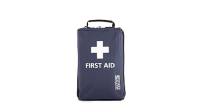
Beauty and aesthetics settings are typically medium-risk due to sharps, chemicals, and electrical equipment. Use BS 8599-1:2019 workplace kits as your baseline and add sector-specific items such as burn dressings, eyewash, bleed control, sharps disposal, and biohazard kits. You can source all this equipment in one place from a reputable first aid supplier like Steroplast Healthcare.
Core Workplace Kits
Install an appropriate BS 8599-1 kit in each salon, clinic, and high-traffic treatment area.
Chemical & Burn Add-ons
Add eyewash and burncare wherever chemicals, hot wax, peels, or lasers are used.
Sharps & Biohazard
Provide sharps disposal kits and biohazard spill kits where blood or bodily fluids exposure is foreseeable.
Mobile & Lone Workers
Ensure mobile and lone workers carry personal first aid kits and have clear emergency contact arrangements.
Operational tip: Nominate someone to check kits at least monthly and after any use, and perform record checks and replenishment.
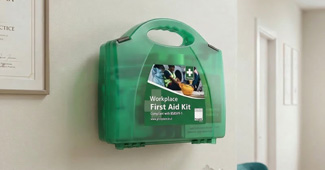
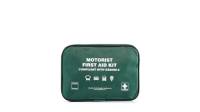
Choose a BS8599-1 First Aid Kit for optimal defence
- The gold standard of first aid kits for medium-risk workplaces
- Made to BS8599-1 specifications to offer businesses the required level of quality to comply with health and safety laws in the UK
- Also available: Off-Site (Travel), and Motor Vehicle Kits
- Refills available on product pages
Why this matters: Your incident paperwork is the first thing HSE or insurers will ask for after a serious accident.
Record Incidents Properly
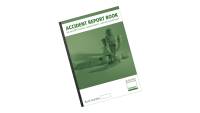
Keep a bound or secure electronic accident report book and retain entries for at least 3 years.
Nominate Responsibility
Name a RIDDOR lead and make sure staff know who this is and how to contact them.
Make Reporting Visible
Display a summary of RIDDOR reporting duties where clinical staff can see it.
Build It Into Procedure
Build RIDDOR triggers into your sharps and accident procedures so reportable cases are not missed.
4. Incidents and Emergencies: Protocols and Drills That Work
Why this matters: In a crisis, staff must know exactly what to do for fainting, anaphylaxis, seizures, severe bleeding, or cardiac arrest without improvising.
Your protocol should cover:
Emergency Types
The main emergencies you may face: allergic reactions and anaphylaxis, vasovagal syncope, seizures, severe bleeding, burns, and cardiac arrest.
Recognition
How to recognise early warning signs and when to stop treatment immediately.
Calling 999
When and how to call 999, including clear thresholds for anaphylaxis, prolonged seizures, severe bleeding, or collapse.
Equipment Locations
Where your first aid kits, burncare, eyewash, bleed control kit, AED (if you have one), and biohazard kit are located.
After the Incident
What must happen after any emergency: document the incident, restock equipment, review what went well and what failed, and consider reporting obligations.
Why this matters: Skills and confidence fade quickly, and many beauty teams have never practised anaphylaxis or bleeding control in their own environment.
Plan a small number of scenarios and rotate them during the year, such as:
Scenario 1
Client collapses during filler injections (suspected anaphylaxis).
Scenario 2
Client faints during a tattoo or piercing.
Scenario 3
Deep cut from broken equipment with heavy bleeding.
Scenario 4
Seizure during a long treatment.
Use Real Equipment
Each drill should use a real kit where safe.
Time It
Run it against the clock and include a mock 999 call.
Debrief It
Finish with a short debrief, actions list, and update to procedure if needed.
Each drill should use a real kit where safe, be timed, involve calling a mock 999, and finish with a short debrief and an action list.
Log each drill and keep the records with your training documentation.
5. Infection Control, Sterilisation, Sharps, and PPE
Why this matters: Clients and regulators judge you on visible hygiene first, and many complaints and infections arise from basic lapses such as uncleared stations, reused covers, or poorly cleaned tools.
In practice, this means your between-client cleaning routine has to be obvious, repeatable, and properly supplied at all times.
Visible Hygiene Matters
Clean beds, fresh barriers, wiped controls, and single-use consumables are not small details — they are one of the clearest signals of professionalism and safety.
Between every client:
Fresh Couch & Chair Barriers
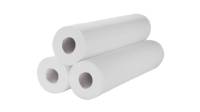
Change couch roll or disposable covers on beds, chairs, and pillows, and dispose of them as clinical or offensive waste where appropriate.
High-Touch Surface Cleaning
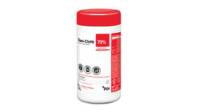
Wipe down high-touch surfaces (treatment bed, trolley, stools, lamps, machine controls, door handles) with medical-grade disinfectant wipes that are active against bacteria and viruses and suitable for your equipment.
Reusable Tool Disinfection
Disinfect reusable tools that do not require sterilisation (e.g. some plastic items) using the manufacturer-approved surface disinfectant and contact time.
Single-Use Means Single-Use
Replace all single-use items (applicators, razors, lancets, needles, cartridges, pigment cups, microblades, etc.) after one use only.
Daily and weekly, build in:
Structured Routine Cleaning
A structured cleaning schedule for floors, washrooms, waiting areas, and back rooms using appropriate detergents and disinfectants.
Deep-Clean Evidence
Periodic deep cleaning of stations, chairs, basins, and equipment, with checks recorded so you can evidence your routine.
Efficient Cleaning, Disinfecting & Sterilising
- Ensure effective sterilisation and disinfection
- Provide a hygienic environment for both staff and clients
- Convenient and quick to use, ideal for maintaining high-level cleanliness
Keep these products close to treatment zones so staff can clean promptly between clients instead of delaying the process.
Why this matters: Where you pierce the skin or work with blood and bodily fluids, poor sterilisation and waste segregation are a direct infection-transmission route.
Autoclave Control
For reusable metal instruments that break the skin (e.g. some piercing tools), use an autoclave with documented cleaning, packaging, cycle records, and regular validation tests.
Use Sterilisable or Single-Use Instruments
Only use instruments that can be fully cleaned and sterilised; otherwise, choose approved single-use alternatives.
Correct Waste Segregation
Follow colour-coded clinical waste guidance and use dedicated sharps and clinical waste streams in line with local requirements.
Why this matters: Needles, blades, and body fluids are routine in tattoos, piercing, and aesthetics; consistent sharps and glove practice is one of your biggest risk reducers.
Sharps Bins at Point of Use
Provide BS-compliant, lockable sharps bins at the point of use in every tattoo, piercing, and injectables room, and close/replace them when three-quarters full.
No Recapping, No Carrying Exposed Sharps
Enforce a zero-tolerance rule on recapping needles and do not permit carrying exposed sharps across rooms.
Use Medical-Grade Nitrile
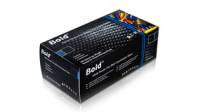
Use medical-grade nitrile gloves for all treatments involving sharps, blood, or higher-risk chemical exposure to avoid latex allergy risks and provide adequate barrier protection.
Glove Changes and Hand Hygiene
Change gloves between every client, whenever they are torn or contaminated, and before touching anything outside the treatment area; perform hand hygiene after removal.
For tattooing and piercing specifically:
- Use single-use, sterile needles and cartridges for each client and dispose of them immediately into sharps bins after use.
- Cover machines, clip cords, and grips with disposable barriers where appropriate, and remove and replace barriers between clients.
Equip Your Business with Protective Gloves & Essential Sharps & Clinical Waste Disposal
- Provide safe and efficient disposal of needles, blades, and other sharps
- Reduce the risk of injury and infection in clinical settings
- Comply with health and safety regulations for sharps waste management
Sharps handling and glove use should never depend on individual habits — they should be standardised across every room, practitioner, and shift.
Why this matters: The right provision of PPE, wipes, couch roll, and disinfectants protects staff and clients and shows inspectors that you understand your risks.
At a minimum, each treatment area should have:
PPE
Nitrile gloves in appropriate sizes; disposable aprons; masks or visors for splash and aerosol-generating procedures; and eye protection for chemical and laser work.
Cleaning Products
Hospital-grade surface disinfectant sprays or wipes suitable for beauty equipment, plus paper roll or disposable wipes for environmental cleaning.
Continuous Barrier Supply
Sufficient couch roll and disposable covers for continuous between-client changes.
Where you want to align with sustainability trends, consider biodegradable nitrile gloves, paper-wrapped sterile dressings, and reduced-plastic first aid and hygiene products.
Equip Your Workplace with an Eco-Friendly HSE First Aid Kit
- Ensure HSE-compliant first aid provision suitable for workplace requirements
- Reduce plastic use with responsibly sourced, lower-impact materials
- Maintain high standards of hygiene and care with compliant products
- Align with environmental and sustainability goals across your workplace
Lower-plastic, lower-impact safety products can support both compliance and client-facing environmental goals.
Why this matters: Minor and minimally invasive aesthetics procedures (e.g. fillers, toxins, skin boosters, thread lifts) sit closer to healthcare than to traditional beauty and carry higher infection and complication risks.
For any clinic delivering injectables or minor procedures:
Clinical-Style Set-up
Work to a clinical-style set-up: clear, wipe-clean surfaces; minimal clutter; sharps bins within arm’s reach; handwashing facilities; and ready access to nitrile gloves, masks, aprons, and disinfectant wipes.
Emergency Kit
Keep an aesthetics emergency kit appropriate to your scope, typically including adrenaline for anaphylaxis, appropriate dressings, sterile saline, hyaluronidase for filler complications where within scope and prescription, and, in higher-risk settings, consideration of AED access and oxygen.
Skin Preparation
Apply full skin preparation protocols (for example, alcohol- or chlorhexidine-based skin disinfectants where appropriate) and use sterile consumables for all invasive procedures.
If you do not hold an AED on site, write a short risk assessment describing where the nearest public-access AED is, who will fetch it, and how quickly they can realistically return.
Choose the Right AED for You
The ZOLL AED Plus (Automatic)
Offers real-time CPR feedback with clear audio and visual prompts, one-piece pads for fast placement, and long-life batteries and pads (up to five years) for low maintenance. Built-in self-tests and an IP55 rating help ensure readiness.
The iPAD SP1 (Semi-Automatic)
Is designed for ease of use, with clear voice and visual guidance and compatibility with NHS ambulance equipment for smooth handover. A fully automatic version is also available, with a 7-year warranty extendable to 10 years on registration.
A full range of defibrillator accessories is also available, including adult and paediatric pads, batteries, alarmed cabinets, and AED starter kits with essential rescue items.
Browse all AEDs and accessories6. Training, Competence, and Records Inspectors Want to See
Why this matters: Formal licensing, tightening of aesthetics regulation, and insurer expectations all rely on evidence that your team is trained and competent.
Training only counts when you can show who completed it, when it was done, and when it must be refreshed.
You should plan regular training covering:
Basic first aid, including management of fainting, bleeding, burns, and seizures.
Anaphylaxis recognition and management aligned with Resuscitation Council UK guidance.
Sharps safety, infection control, COSHH, and safe use of equipment and chemicals.
Consent, documentation, and communication standards for invasive or high-risk procedures.
Keep certificates, attendance records, and renewal dates together, and ensure new starters are brought up to standard quickly.
Why this matters: When authorities or insurers ask “Who is trained in what, and when does it expire?”, you should be able to answer instantly.
Include:
- Each staff member, their role, and mandatory training (first aid, sharps, infection control, fire, consent).
- Course dates, providers, and renewal dates.
- Any advanced competencies (e.g. injectables, laser operation) linked to specific procedures.
Matrix Purpose
A good matrix gives you an instant view of gaps, upcoming renewals, advanced skills, and who should or should not perform specific procedures.
Review the matrix regularly and schedule updates before anything lapses.
7. Maintenance, Audits, and Documentation That Tie Everything Together
Why this matters: Short, consistent checks prevent nasty surprises during emergencies or inspections.
Each week, check and record:
First aid, burncare, eyewash, and biohazard kits: present, stocked, in date, and accessible.
Sharps bins: correctly sited, not overfilled, properly labelled and closed when required.
Any AED, oxygen, or resuscitation equipment you hold: status indicators OK, pads or components in date.
Cleaning, disinfection, and sterilisation equipment: working correctly with recorded cycles where applicable.
Why this matters: Planned audits turn safety and compliance from a one-off project into a routine business practice.
At minimum, plan to:
Review risk assessments annually and after any new service or serious incident.
Audit infection-control and sharps practices, including waste segregation and spill response.
Check consent forms and documentation against current case-law expectations (for example, individualised discussions and cooling-off periods for higher-risk procedures).
Build a single, well-organised compliance folder that holds:
- Policies (health and safety, first aid, sharps, infection control, waste, fire, consent).
- Risk assessments, training records, incident logs, and RIDDOR reports, where applicable.
- Local authority registrations, licences, insurance documents, and - where relevant - CQC or new licensing scheme documentation.
Inspection Readiness
The easier it is to find your policies, records, registrations, and audits, the more credible and controlled your business appears during scrutiny.
8. Future-Proofing, Licensing and What to Do This Month
Why this matters: Mandatory licensing for non-surgical cosmetic procedures, tighter consent standards, and client scrutiny around safety and hygiene are all increasing in 2026.
Practical future-proofing steps include:
Checking your eligibility and obligations under the new non-surgical cosmetic licensing scheme and preparing for staged implementation (registration, device checks, CPD, and incident reporting).
Reviewing consent processes for invasive or higher-risk procedures in line with current case law, including time for reflection, alternative options, and clear documentation.
Considering eco-friendly first aid and infection-control products to meet rising sustainability expectations.
Use this as your immediate action list: