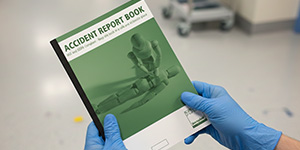
The Complete 2026 Report on First Aid and Safety Preparedness for Janitors
Janitors carry legal, moral, and operational responsibility for health, safety, and hygiene across workplaces, schools, healthcare facilities, retail sites, and residential buildings. This report provides a single, authoritative reference for meeting healthcare, first aid, health and safety, and emergency preparedness responsibilities in UK janitorial work in 2026.
Who this is for:
Janitorial professionals working independently, within cleaning businesses, agencies, or in-house facilities teams, responsible for maintaining safe, hygienic environments and the well-being of building occupants, visitors, and colleagues.
Table of Contents
1. Environment & Risk Context
Action:Identify credible risks in your janitorial environments and match preparedness to actual exposure.
Typical Janitorial Environments
You work in schools, offices, healthcare settings, retail, public buildings, residential facilities, often early, late, or alone when supervision is limited. You handle chemicals, machinery, sharps, and waste daily. You are often the first to see hazards (spills, broken glass, blocked exits) and the first person others turn to when incidents occur.
Violence & aggression: Particularly in healthcare/social care
Musculoskeletal Disorders (MSDs) & Ergonomics
Awkward postures, manual handling of bins, and repetitive mopping/vacuuming contribute to high injury rates. 52.3% of cleaners report MSDs.
15.7×Risk from awkward posture
8×Risk from sustained positions (>2h)
3.5×Risk from ≥8 hours/day
23%Took time off work
Most affected areas: Low back (34.8%), wrists (17.4%), elbows, knees, and shoulders.
Why Preparedness Matters
You are exposed to chemical, biological, physical, and psychosocial risks daily. Lone working increases the danger of a delayed response. You have a duty to protect others from hazards your work creates (wet floors, stored chemicals, waste).
While slips and trips are common, Sudden Cardiac Arrest (SCA) is the most time-critical emergency you might face. Because many janitors work after-hours or in isolated areas of a building, a heart rhythm issue can go unnoticed until it is too late.
The window for intervention is incredibly small: for every minute that passes without intervention during a cardiac arrest, the victim’s chance of survival drops by 10%. In a lone-working scenario, waiting for an ambulance isn't enough. Having an Automated External Defibrillator (AED) on-site—and knowing where it is—is a critical component of janitorial safety preparedness.
Colour-coding, biohazard kits, hand hygiene at the point of need
Ensure Best Practice Compliance
Moving beyond the "minimum" to British Standard BS 8599-1 kits ensures your team is equipped with the right volume and quality of supplies for modern workplace risks.
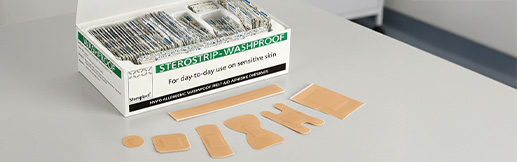
Use: Small cuts, abrasions, nicks from glass, metal, tools.
Options: Fabric, washproof, waterproof, blue detectable (food areas), fingertip/knuckle, cut-to-size.
Common Mistakes:
Using standard fabric/non-washproof plasters: If your hands are frequently wet from mopping or cleaning, these will peel off almost immediately. This leaves your wound exposed to harsh cleaning chemicals and bacteria.
Ignoring "Blue Detectable" requirements: If you are cleaning in catering or food prep areas, standard skin-tone plasters are a safety hazard. You must use blue, metal-detectable plasters so they can be easily spotted (visually and by scanners) if they accidentally fall into a food zone.
Applying bandages too tightly: When treating a limb, wrapping a bandage too tight can restrict circulation, which is dangerous during physical janitorial labour.
Using large dressings for minor nicks: Using heavy-duty dressings for small scratches is wasteful; these should be reserved for high-impact injuries where pressure is required to stop bleeding.
Use: Severe bleeding—deep cuts from metal, machinery, or broken glass.
Higher-risk sites (workshops, waste facilities) increasingly stock trauma bandages as best practice. If your risk assessment highlights high-risk, invest in a Critical Injury Kit.
For high-risk environments to deal with severe bleeding fast.
Designed to treat severe bleeding from sharp objects on-site.
Easy-to-use with clear instructions, no prior training needed.
Includes Chito-SAM dressing for rapid, effective bleed control.
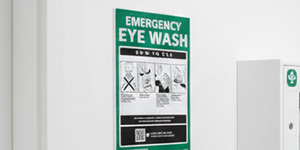
Legal: Under COSHH regulations, if you are working with hazardous substances, an eyewash station must be accessible within 10 seconds of the hazard. In the event of a splash, you must flush the eye immediately for 15–20 minutes without interruption.
✕Location Issues: No kit available in the cleaning cupboard or the usual work area.
✕Risk Mismatch: Kits are not suitable for real risks (e.g., missing burns/eyewash where strong cleaners are stored).
✕Biohazard Neglect: Absence of biohazard kits where vomit/body fluid spills are a foreseeable occurrence.
✕Communication Breakdown: Janitors are unsure who the first aider is or what to do during out-of-hours shifts.
✕Maintenance Failure: Raided kits with missing, contaminated, or expired items.
Required Action
Review kit locations against actual work zones; integrate burns, eyewash, and biohazard provision where chemicals and public contact overlap; ensure lone staff are equipped with portable kits and have clearly defined emergency response routes.
4. Incident & Emergency Readiness
Action:Know response steps and equipment locations for common janitorial emergencies.
Bleeding, Cuts, Sharps Injuries
Risks: Broken glass, metal edges, sharps in waste bags, discarded needles (public toilets, housing, etc.).
Never compress waste bags or reach blindly into bins.
In case of sharps injury: bleed wound, wash with wound wash (if available) or soap and water, report, seek occupational health/emergency care immediately.
Record all sharps injuries; review waste handling and PPE.
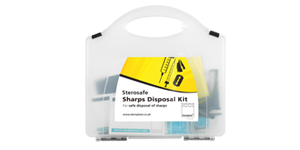
Sterosafe Sharps Disposal Kit
Safe and convenient sharps handling and disposal solution.
Includes a 0.2L sharps bin, gloves, and disinfectant wipes.
Compact and portable design, ideal for on-the-go professionals.
Risks: Hot water, steam, corrosive descalers, bleach.
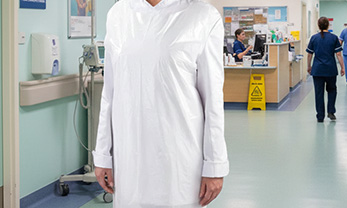
Preparedness: Burncare (hydrogel dressings, pads, gels, sprays) in cleaning rooms; eyecare (eyewash stations) near chemical stores; PPE (gloves, eye protection, aprons, face shields).
Response Protocol:
Remove the source of heat/chemical.
Cool with running water ≥20 minutes (thermal burns); for eye contact, use eyewash copiously for ≥30 minutes.
Apply appropriate burn/eye dressings if available.
Seek urgent medical attention for chemical, facial, eye, or deep burns.
Slips, Trips, Falls, MSDs
Risks: Wet floors, trailing cables, cluttered corridors. MSD risks from overstretching, heavy lifting, and repetitive bending.
Preparedness
First aid kits for minor injuries; hot/cold therapy for strains; visible first aid stations.
Controls
Colour-coded wet floor signs.
Trolleys and wheeled containers.
Manual handling training and task rotation.
Cardiac Arrest, CPR, AED
Survival drops 10% per minute without intervention. Delivering a shock within 3–5 minutes can raise survival to 50–70%.
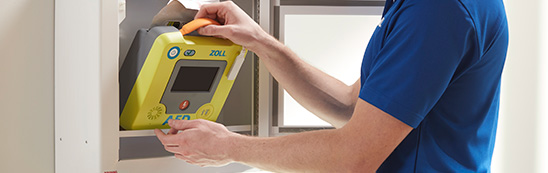
ZOLL AED Plus
Real-time CPR feedback with audio/visual prompts. 5-year battery/pad life. IP55 rated.
Risks: Splashes from sprays, pressure washers, chemicals, and airborne dust.
Emergency Action: Go immediately to the nearest eyewash station. Irrigate continuously while someone alerts emergency services. Ensure eyewash is in date and unobstructed.
5. Infection Control, Cleaning Chemicals & PPE
Action:Use correct products at correct dilutions; never mix chemicals; wear appropriate PPE; follow colour-coded waste systems.
Infection control and PPE bestsellers for janitors from Steroplast
Stock up on infection control essentials to protect yourself and create a completely hygienic environment.
Janitors play a central role in preventing the spread of infection in schools, workplaces, and public buildings. Responsibilities: follow cleaning schedules/specifications; use correct products at correct dilutions and contact times; handle/store waste safely. During outbreaks (flu, norovirus, COVID-19), expect enhanced disinfection of touchpoints and more frequent cleaning of high-risk areas.
COSHH Requirements
Applicable for Surface disinfectants, sanitisers, and sporicidal agents.
Read and follow labels and Safety Data Sheets (SDS).
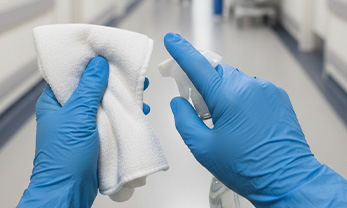
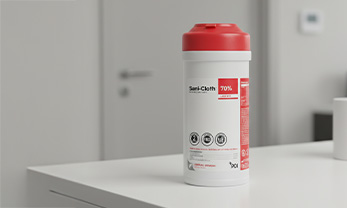
Use: Rapid disinfection of small surfaces, touchpoints, and biohazard clean-up.
Error: Using general-purpose wipes where a disinfectant wipe is required.
Error: Wiping away product before the recommended wet contact time has elapsed.
PPE & Glove Selection
PPE is a legal control measure where other methods cannot adequately control risk. PPE must be provided, fit-for-purpose, and staff trained to use, remove, and dispose of safely.
Use lockable sharps bins where needles may be encountered.
Utilise clinical waste bags and colour-coded systems.
Follow clear instructions on bin collection protocols.
Environmental Hygiene
Ensure signage reminds staff of handwashing and spill protocols.
Position hand sanitiser gels in cleaning rooms and high-traffic areas.
Maintain visible first aid stations with hygiene reminders.
6. Training, Competence & Confidence
Action: Ensure you receive training that changes potential outcomes in your workplace: first aid, CPR/AED, COSHH, manual handling, and violence/aggression management.
Likely Training Profile
Many janitors receive basic induction on cleaning and COSHH, but with variable depth. Many lack formal first aid training. Many rarely receive structured training on violence/aggression, lone working, or biohazard response despite real exposure. This presents a risk to both individual staff and others within the workplace.
Training That Changes Outcomes
Training
Impact
First Aid at Work / Emergency First Aid
Recognise serious conditions, manage bleeding/burns, and provide basic life support.
CPR & AED
Gain the confidence to use AEDs and start compressions quickly.
COSHH
Understand chemical hazards, safe use, storage, spill response, and emergency actions.
Manual Handling & Ergonomics
Reduce back and limb injuries associated with repetitive or heavy cleaning tasks.
Violence & Aggression Management
Risk awareness, de-escalation techniques, and post-incident reporting/support.
Building Confidence
Confidence for rare but serious events can be built by:
Clear Procedures: Laminated "What to do if…" cards near first aid stations.
Regular Refreshers: Drills and toolbox talks, especially following an incident.
Leadership Support: Supervisors who reinforce good practice and respond to safety concerns with action.
Janitors' Rights & Expectations
Janitors must know they are allowed and expected to:
Stop work if a situation is unsafe.
Call emergency services directly if necessary.
Use available first aid tools within their training and competence.
Why "Having the Kit" Is Not Enough
Without competence, critical equipment can fail to save lives:
Bleed control dressings can be applied incorrectly or insufficiently.
Eyewash can be underused or not used soon enough after exposure.
Biohazard kits sit unused because staff are unsure of the steps.
Required Protocol
Each major kit/station (first aid, burns, eyewash, biohazard, AED) must be supported by short on-the-spot instructions, inclusion in induction training, and periodic practice or walk-through explanations.
Monthly visual checks of all first aid kits, burns kits, eyewash stations, AEDs, biohazard kits and sharps kits. Simple checklists in cleaning cupboards for staff to sign and date. Designated responsibility (site supervisor/lead janitor) for ordering replacements and overseeing checks.
Documentation & Incident Records
Good records demonstrate compliance and drive improvement. Accident/incident reports (sharps injuries, burns, trips, chemical exposures, violence/abuse, etc.) must be completed promptly.
Dressings, eyewash, gels, and disinfectants have expiry dates; replace promptly.
Store clean, dry, and away from sunlight/heat in first aid bags, wall cases, or cabinets.
AED Readiness
AED electrode pads and batteries have specific replacement intervals (usually 2–5 years).
Use alarmed AED cabinets to deter tampering and highlight maintenance issues early.
Compliance & Review Cycle
Requirement
Action / Impact
RIDDOR Reporting
Report serious injuries or >7-day incapacitation following a work injury.
Trend Analysis
Incident trends feed into updated risk assessments and targeted training (e.g., repeat slips leading to better signage).
Adapting Provision
Review provision for new contracts, buildings, seasonal changes, or new chemicals.
Required Protocol
Any significant change to where and how janitors work should trigger an immediate review of risk assessments, first aid/eyewash/burns/biohazard/PPE provision, and training needs.
8. Future-Proofing (2026 and Beyond)
Action:Expect greater scrutiny of hygiene visibility, sustainability, and digital compliance.
Post-pandemic, expectations of cleanliness and hygiene remain high in schools, workplaces, and public buildings. For janitors, this translates to:
More visible cleaning and disinfection of high-touch surfaces to reassure occupants.
Greater scrutiny of how spills, body fluids, and contamination are handled and recorded.
Demonstrable compliance – shifting from "we clean" to documenting exactly how and with what.
Clear first aid stations, documented schedules, and accessible PPE points demonstrate that an organisation takes safety seriously.
Sustainability & Eco-Friendly Choices
Growing pressure to choose:
Concentrated products: To significantly reduce packaging and transport emissions.
Biodegradable wipes and detergents that maintain efficacy while reducing environmental impact.
Reusable hot/cold packs and durable PPE where clinically safe.
Note: You must balance environmental goals with infection control requirements, COSHH obligations, and practical usability.
Digital Records, Signage, & Public Confidence
More organisations are moving towards:
Digital ChecklistsReal-time logging for cleaning and first aid kit checks.
QR-Coded SignageLinking to instant procedures and COSHH information.
Electronic ReportingIncidents feeding directly into health and safety reviews.
Expect a greater emphasis on logging tasks in real time. When used well, these tools reduce paperwork, support compliance, and give janitors clearer backing when raising safety concerns.
Position the right mix of burns, eyewash, biohazard, and PPE resources where you actually work, not locked in remote offices.
03. Training Outcomes
Prioritise EFAW, CPR/AED, COSHH, manual handling, and violence/aggression management training.
Maintenance & Compliance: Perform monthly visual checks, monitor expiry dates, and document all incidents. Review and adapt provision whenever contracts, buildings, tasks, or chemicals change.
Janitors are essential safety and hygiene professionals. The risks you manage—chemicals, biohazards, slips, sharps, aggression, and life-threatening emergencies—require proportionate first aid, PPE, and emergency equipment, backed by clear procedures and regular training. Use this report as a framework to review your sites, and you will meet your legal duties while protecting yourself and those who rely on the spaces you keep safe.