
Disinfectant Spray vs Antibacterial Spray: What's the Difference?
Is antibacterial spray the same as disinfectant spray?
In short, no. It’s important to understand the difference between disinfectant and antibacterial spray so that you can choose the right cleaning products for your specific hygiene needs.
Antibacterial spray and other antibacterial cleaning products such as hand gel or Sani-Cloth® AF Wipes (formerly known as PDI Sani-Cloth Universal Wipes), contain antibacterial chemicals. The term ‘antibacterial’ is defined as an agent, process, or action that destroys bacteria in a specific area. It also acts as a suppressant, slowing down, minimising, or preventing bacteria cells from reproducing and spreading.
So, antibacterial sanitising sprays contain chemicals that stop the growth of bacteria. Bacteria spread rapidly because they reproduce and multiply quickly in a short space of time. Many antibacterial cleaning products claim to kill up to 99.9% of bacteria once applied.
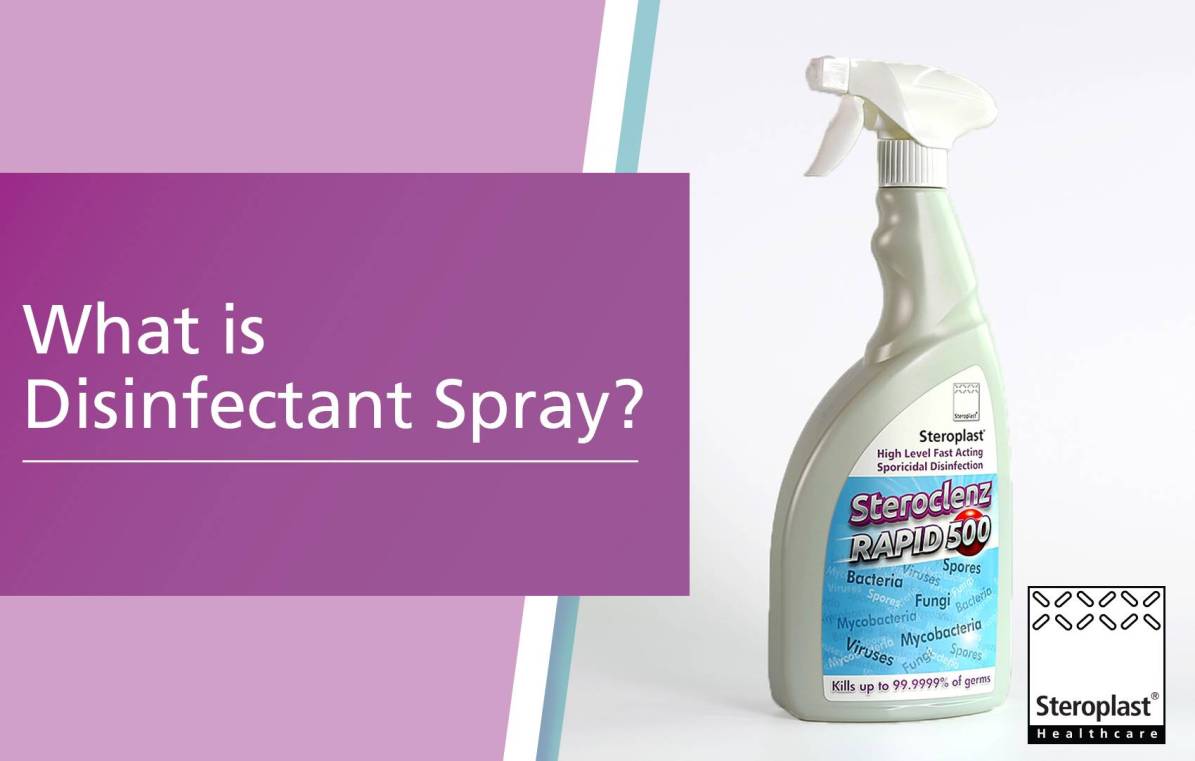
In contrast, disinfectant sprays such as our Steroclenz Rapid Surface Sanitiser kill bacteria and other harmful pathogens, including fungal spores and viruses. A disinfectant is defined as a chemical solution or process that kills potentially infectious agents, reducing their number in a specific area.
This means that, in general, disinfectant sprays act as an antibacterial spray as well as a disinfectant spray. Some cleaning sprays, such as Steroclenz Rapid, can be described as an antibacterial, sanitising, disinfectant spray as it’s been specially formulated to cover all bases and remove 99.999% of all germs within a matter of seconds, including the removal of bacteria.
Limited-Time Deal on Personal First Aid
20% off Steroplast Mini Burn First Aid Kits
Fast, effective treatment for common burn injuries at home, work or on the move. Includes Burnshield dressings and hydrogel sachets for immediate cooling and pain relief. Supplied in a compact plastic case for kitchens, vehicles and grab bags.
Use code BURNCARE20 at checkout.
Visit our
Personal First Aid Online Guide
Find everything you need, from first aid kits, plasters & bandages to hot & cold therapy.
What's the difference between disinfectant and antibacterial spray?
So, we now understand that a disinfectant can act as an antibacterial agent, as well as remove other germs such as viruses or fungus. There are some differences to be aware of in terms of how to use them, including how long they take to work and how regularly to use them.
Disinfectant Spray vs Antibacterial Spray:
| Disinfectant sprays | Antibacterial sprays |
|---|---|
| Disinfectant sprays are designed to be highly effective at removing the vast majority of germs. However, this can only be achieved by allowing a certain “dwell time” on the targeted surfaces. Disinfectant sprays generally require a minimum of 10-20 seconds in direct contact with a surface to successfully disinfect an area. | Most antibacterial sprays (and antibacterial hand soaps and gels) require a longer cleaning process or dwell time in order to be effective. |
| The amount of time that a disinfectant spray can claim to last for will vary depending on the brand you’re using and its ingredients. Steroclenz Rapid is proven to maintain a clean area for up to four hours if used correctly. | Antibacterial sprays generally need to be reapplied more regularly than disinfectant sprays in order to continue protecting from bacterial growth. |
| Most disinfectant sprays eliminate germs and bacteria, but many don’t contain detergents or cleaners. This means you might need to use additional sanitising products to remove dirt or residues in the area you’re trying to disinfect. | If you want to remove other harmful germs such as viruses, you will need to use a sanitising or disinfectant product as well as your antibacterial spray. |
In summary, most disinfectant sprays are stronger and more effective against a wider range of harmful bodies than antibacterial sprays. Disinfectant sprays and processes are formulated to kill germs, viruses AND bacteria. Antibacterial spray is proven to kill bacteria but does not combat viruses and a full spectrum of germs.
Disinfecting products, as well as disinfectant sprays, such as our PDI Sani-Cloth® AF Wipes kill bacteria and viruses, including coronavirus, TB, and norovirus, so they are a more effective product than antibacterial sprays in managing infection control.
Different brands will offer different strengths due to their production methods and their sprays' ingredients. Always check the label and manufacturers’ instructions to be sure of the strength of your antibacterial or disinfectant sprays.
Check out our blog for more information about disinfectants, antibacterials, and other cleaning products and methods to manage the spread of infection:
- Disinfectant Spray FAQs: Answered
- What is Disinfectant Spray?
- Infection Control Information
- Norovirus: How to prevent the spread of infection
- Are Universal Wipes Antibacterial?
- What Is a Universal Wipe?
- How Do You Use Universal Wipes?
- Where Can Universal Wipes Be Used?
- Infection prevention and control in childcare education settings
- A ringworm cleaning protocol for veterinary exam rooms
- A guide to veterinary cleaning products
- A veterinary clinic cleaning protocol
Simplify Workplace First Aid
Interactive Online Guide & Downloadable Brochure
Simplify Workplace First Aid
Interactive Online Guide & Downloadable Brochure
Choose the format that works for you: check out our Workplace First Aid Interactive Online Guide or download our 2-in-1 Workplace First Aid & Advanced Life Support Buyers Guide as an easy-to-save PDF. Both include a self-assessment, product details, and comprehensive training and support.
Please enter your details into the form below along with any questions or comments and a member of our team will be happy to provide you with more information: