Disinfectant Spray FAQs: Answered
Disinfectants, including handy disinfectant sprays, are essential to a good cleaning kit, whether at home, at work, or in public spaces. We answer the most common questions about disinfectant sprays, including how they work, their many uses, when not to use them, and how to stay safe when cleaning.
Frequently Asked Questions about Disinfectant Sprays:
- What does disinfectant spray do?
- Does disinfectant spray kill norovirus?
- Do disinfectant sprays really work on fungus?
- Where can I buy disinfectant spray?
- How much is disinfectant spray?
- What is the best disinfectant spray to use?
- Disinfectant Spray vs Wipes: Which is better?
- Where can I use disinfectant spray?
- Can you use disinfectant spray on fabric?
- Can you spray disinfectant on sofa cushions?
- Can you spray disinfectant on bedding?
- Can I spray disinfectant on my carpet?
- Top Tip: How to use disinfectant spray for infection control
- Do disinfectant sprays expire?
- I accidentally inhaled disinfectant spray, what do I do?
- Is disinfectant spray safe for cats and dogs in the home?
- Can I bring disinfectant spray on a plane?
- Does disinfectant spray kill bugs and household pests?
- Does disinfectant spray kill scabies?
- Does disinfectant spray kill bed bugs?
- Does disinfectant spray kill fleas and flea eggs?
- Does disinfectant spray kill flies, including fruit flies?
- Does disinfection spray kill mites and dust mites?
- Does disinfectant spray kill wasps?
What does disinfectant spray do?
Disinfectant spray is an important piece of disinfection equipment to manage the spread of infection and reduce the risk of illness. They are developed to kill potentially infectious agents, including bacteria, viruses, fungus and other harmful pathogens such as TB. The chemicals in disinfectant sprays work to reduce the number of germs and viruses in a specific area, preventing them from multiplying and spreading.
You can find out more about disinfectant sprays on our blog:
Does disinfectant spray kill norovirus?
This depends on the type of disinfectant spray you’re using and what ingredients it contains. Generally, disinfectant sprays that contain a higher percentage of bleach can kill norovirus. Always read the label of your disinfectant spray thoroughly to know what it contains and if it is proven to kill norovirus as well as bacteria, fungi, and other harmful pathogens.
We cover everything you need to know about how to prevent norovirus from spreading on our blog.
We stock a wide range of PDI wipes, including the multi-purpose Sani-Cloth® AF Wipes (formerly known as PDI Sani-Cloth Universal Wipes), which have been tested to be effective against norovirus and proven to kill TB and coronavirus, including the strain that causes Covid-19.
Limited-Time Deal on Personal First Aid
20% off Steroplast Mini Burn First Aid Kits
Fast, effective treatment for common burn injuries at home, work or on the move. Includes Burnshield dressings and hydrogel sachets for immediate cooling and pain relief. Supplied in a compact plastic case for kitchens, vehicles and grab bags.
Use code BURNCARE20 at checkout.
Do disinfectant sprays really work on fungus?
Most good-quality disinfectant sprays are strong enough to kill 99.9% of germs and harmful pathogens. So does disinfectant spray kill fungus and fungal spores? Most do. Always check the label.
Where can I buy disinfectant spray?
Many different types and brands of disinfectant sprays, wipes and solutions are available to buy. When considering where to get disinfectant spray, it’s worth looking online as well as shopping around in supermarkets, DIY shops, pharmacies, and household supply stores.
If you’re wondering where to buy disinfectant spray that’s good value and reliable, consider ordering from Steroplast’s wide range of disinfection products. We are trusted by St John Ambulance and the Red Cross, as well as many hospitals and businesses across the UK for our premium products which achieve optimal hygiene.
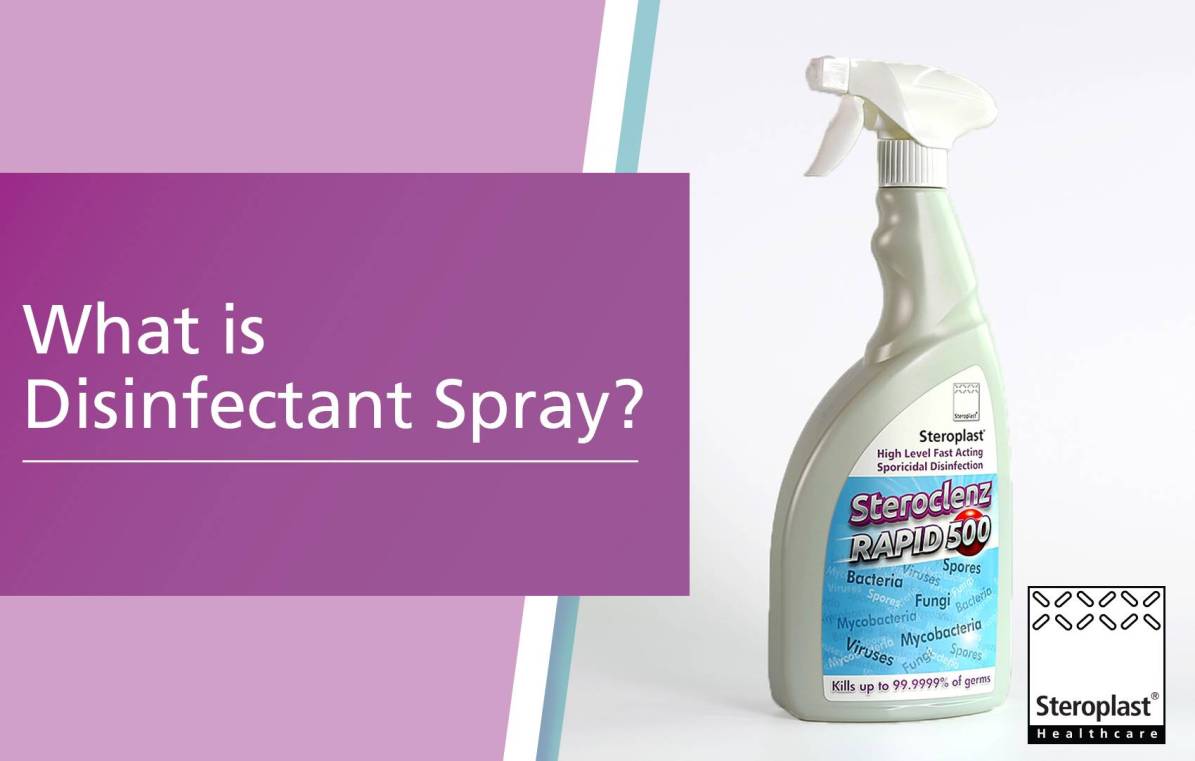
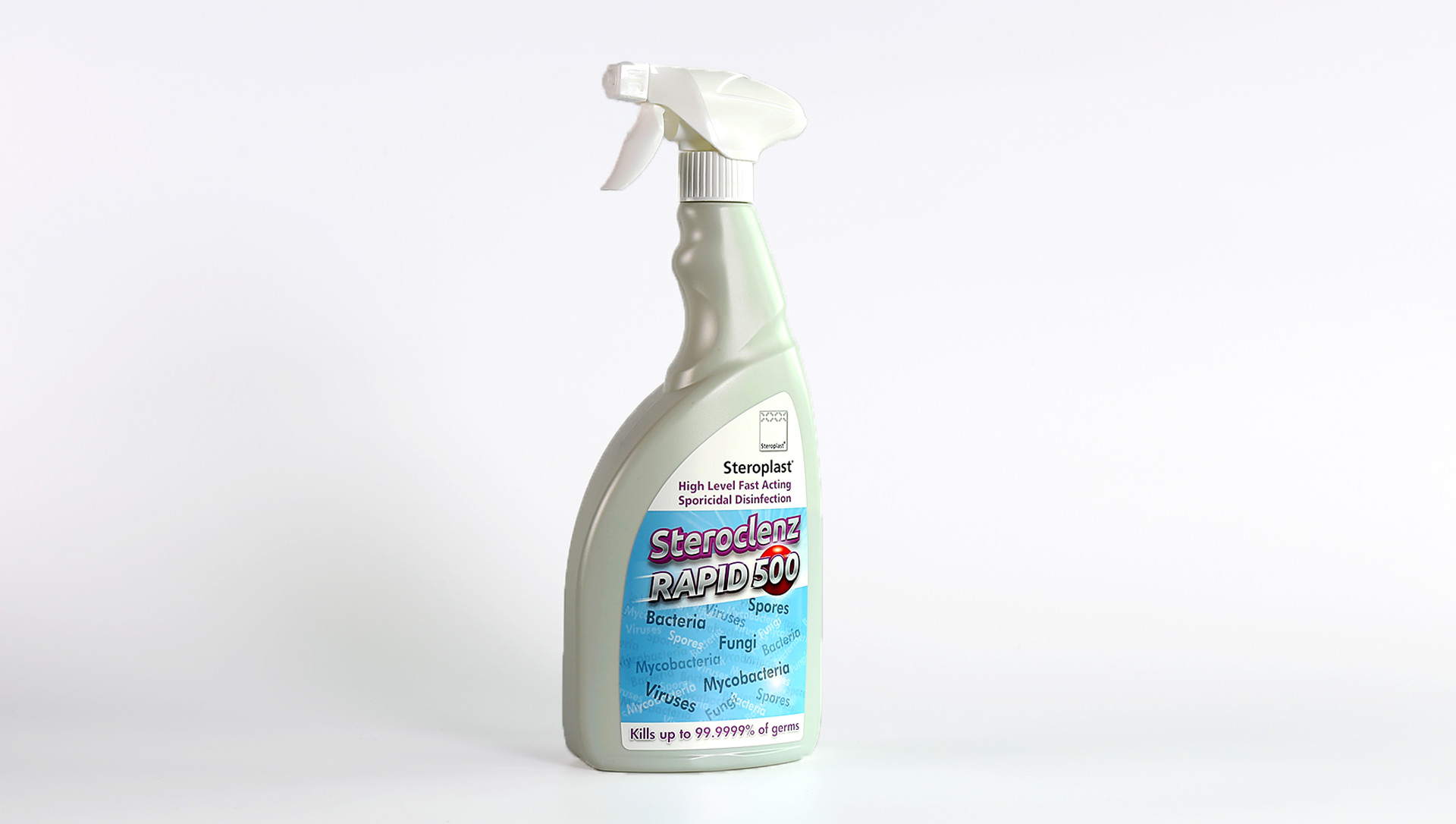
One of our most popular disinfectant sprays is Steroclenz Rapid disinfectant spray which is a powerful water-based foam for the rapid cleaning and disinfection of hard surfaces. Independently tested in the UK in real-world conditions with proven contact times. It’s suited to all forms of commercial cleaning, including cleaning up blood and bodily fluid spills and is ideal for use on all surface areas prone to high infection risk.
Visit our
Personal First Aid Online Guide
Find everything you need, from first aid kits, plasters & bandages to hot & cold therapy.
How much is disinfectant spray?
With so many brands, sizes, and strengths of disinfectant sprays on the market, prices vary between £1.80 to £36.60 per bottle, sometimes higher. With such a wide range of price points, the quality of disinfectant sprays can vary hugely.
Dual-action Steroclenz Rapid 500ml bottles of disinfectant surface sanitiser are available to purchase online for an individual bottle.
What is the best disinfectant spray to use?
This very much depends on where you are using disinfectant spray and for what purpose. Because many disinfectant sprays are formulated to disinfect an area but not remove debris or residue, you will need to use a surface sanitiser or cleaner as well as the disinfectant spray to ensure a complete and hygienic clean of the area.
Steroclenz Rapid Surface Sanitiser is a great-value disinfectant spray because it cleans and sanitises a surface while rapidly disinfecting it and killing 99.9% of germs. This means that the recommended 2-step cleaning and disinfecting process is completed in one go and is quick and effective, requiring less time and effort to achieve optimal hygiene.
Disinfectant Spray vs Wipes: Which is better?
In some situations, it may be less time-consuming and more cost-effective to use disinfecting hand wipes rather than a disinfectant spray. Consider our full range of PDI Hyea Wipes for cleaning wipes you can trust.
Where can I use disinfectant spray?
Disinfectant sprays can be used anywhere where germs could spread including healthcare environments, public spaces, education settings, homes, workplaces, public transport, bathrooms, and even your car.
It’s important to know when to use disinfectant spray and on what types of surfaces. Always check the label and manufacturer’s guidance. Some disinfectant sprays are safe to use on all surfaces, including fabrics and porous materials, and all disinfectant sprays are suitable for use on hard surfaces such as:
- Countertops
- Floors
- Door handles
- Tables
- Buttons
- Scissors
- Light switches
- Chopping boards
- Waste bins, etc.

Can you use disinfectant spray on fabric?
This will depend on what disinfectant spray you are using. Always check the manufacturer’s instructions and label for specific guidance. Some disinfectant sprays are designed for use on all surfaces, so they are safe to use on fabrics, while other disinfectant sprays are only for use on hard surfaces.
If you’re not sure, avoid using disinfectant spray on fabrics because the ingredients could damage fabric, such as bleach colours or create holes in the material.
Can you spray disinfectant on sofa cushions?
Yes, if it is described as fabric-safe on the label. If not, we advise against it to avoid damaging the fabric and cushions underneath.
Can you spray disinfectant on bedding?
Yes, if it is described as fabric-safe on the label. If not, we advise against it to avoid discolouring the material and damaging padding and cushioning inside pillows and duvets.
Can I spray disinfectant on my carpet?
Yes, if the label advises this is safe. If your disinfectant spray contains bleach, we advise against using it on a carpet to avoid damaging the fibres in the pile, resulting in a patchy discoloured carpet.
Top Tip: How to use disinfectant spray for infection control
Always read the full instructions on the label of the disinfectant spray you are using before application. This is not only for your safety but will also advise on how long the disinfectant needs to be in contact with a surface for full disinfection to be achieved.
To sanitise and disinfect a surface with Steroclenz Rapid, follow these instructions:
- Pre-clean the surface with a quick wipe-down to remove grime, liquid, dirt, and dust.
- Hold the nozzle 6-8 inches from your targeted surface.
- Spray the foam evenly over the area until coated.
- Leave for 15 seconds to thoroughly sanitise the area. Leave for three minutes to ensure complete disinfection.
- Wipe down with a clean cloth.
- Repeat every four hours for optimal hygiene and infection control.
Precautions for safe handling of Steroclenz Rapid:
- Avoid direct contact with the substance.
- Ensure there is sufficient ventilation in the area.
- Avoid the formation or spread of mists in the air.
We provide information about infection control on our blog, including guidance on cleaning measures in education and veterinary environments:
- A guide to veterinary cleaning products
- A veterinary clinic cleaning protocol
- A ringworm cleaning protocol for veterinary exam rooms
- Infection prevention and control in childcare education settings
Do disinfectant sprays expire?
Most disinfectant sprays last between one to two years. After this time the chemicals inside them that kill bacteria start to break down. Depending on what disinfectant spray you’re using, an expiration date may not be available, but you are likely to find the manufacture date on the labelling. So you’ll have at least 12 months from manufacture to use up your spray.
Safety
I accidentally inhaled disinfectant spray, what do I do?
First, stop using the product. Ensure that you rinse out your mouth before drinking some water to ensure the residual product is washed away.
The combination of chemicals in most household cleaning products, including disinfectant sprays, can trigger dangerous chemical reactions when inhaled or ingested. If you have inhaled or swallowed disinfectant spray expect symptoms such as coughing, difficulty breathing, stomach pains, and irritations of the nose, throat and, eyes.
Rinse your mouth out with water thoroughly and rest in a well ventilated area, looking out for any escalation in symptoms.
There are precautions you can take, especially if you suffer from a respiratory disease such as asthma.
- Try not to inhale the disinfectant spray.
- Wear a mask while using it. Avoid using surgical masks.
- Keep the room well ventilated.
- If you inhale disinfectant, rinse your mouth with water.
- If you feel unwell or are having trouble breathing contact your doctor urgently.
Is disinfectant spray safe for cats and dogs in the home?
No, not usually. Many common household cleaning products, including disinfectant sprays, can post a health risk to your pets at home, including cats and dogs.
Speak to your vet if you want to source pet-safe cleaning products, these are usually more expensive than regular disinfectant sprays.
Otherwise, take extra precautions when cleaning in the home to keep your pets safe. Measures you can take to reduce the risk to domestic animals include:
- Remove your pets from the room you are cleaning and close the door, especially when using disinfectant sprays or aerosol products.
- Don’t allow your pets to walk over recently treated surfaces, such as a bleached floor. Clean their paws thoroughly with soap and water if this happens.
- Clean up spilled cleaning products immediately.
- Store all your sprays in a closed cupboard with the lids firmly screwed on.
- Wash your hand thoroughly after using cleaning products including disinfectants. Ensure your hands are fully clean and dry before touching your pets.
Can I bring disinfectant spray on a plane?
Yes, if packed in your suitcase. There are no restrictions on packing disinfectant spray when going abroad if it is kept in your checked-in hold luggage.
However, if you’re wondering “can I take disinfectant spray on a plane to use in the cabin?” there are restrictions you need to abide by. You cannot bring disinfectant spray in an aerosol bottle in your hand luggage. But if it is contained in a small trigger bottle of 100ml size or smaller, you can carry it on your person for a flight. Airport security staff may question you on the contents of your disinfectant spray, so keep a label handy, and they may ask to test the product for toxicity.
Choose disinfectant Sani-Cloth® AF Wipes for less restrictions and ease of use when travelling.
Does disinfectant spray kill bugs and household pests?
Most insect infestations can be addressed by using disinfectant spray alongside other cleaning methods. Here, we unpack the most common pest infestations and if you can combat them using a disinfectant spray.
Does disinfectant spray kill scabies?
Yes, most disinfectant sprays can kill scabies mites, especially if they contain permethrin. Use a disinfectant spray on all hard surfaces regularly at the first sign of a scabies infection to prevent further spread. Other essential measures to manage a scabies outbreak include hot-washing all soft furnishings, clothing and bedding and seeking medical attention for scabies symptoms in humans and animals.
Does disinfectant spray kill bed bugs?
Yes. Similarly to the process required for removing a scabies infestation, disinfectant spray can be used against bed bugs.
Does disinfectant spray kill fleas and flea eggs?
Yes. Avoid direct contact between skin and disinfectant spray, but thoroughly clean all hard surfaces with disinfectant spray regularly. For animal flea treatment, seek veterinary advice to reduce the risk of recurring flea infestations.
Does disinfectant spray kill flies, including fruit flies?
We do not recommend spraying flies with disinfectant spray directly. However, if your home is infested with flies, disinfection is the first step in tackling this issue and repelling flies and fruit flies from the area. Regularly clean and disinfect all food areas, high-touch points, and areas such as window sills, sinks, or bins where flies rest.
Does disinfection spray kill mites and dust mites?
This depends on the ingredients of the spray you’re using, but yes generally, mite infestations can be tackled by disinfecting, especially with the common dust mite. Disinfectant spray should be used regularly and thoroughly alongside regularly vacuuming and washing all soft furnishings and fabrics.
Does disinfectant spray kill wasps?
Yes. Most disinfectant sprays will also kill hornets, ants, and yellowjackets.
Simplify Workplace First Aid
Interactive Online Guide & Downloadable Brochure
Simplify Workplace First Aid
Interactive Online Guide & Downloadable Brochure
Choose the format that works for you: check out our Workplace First Aid Interactive Online Guide or download our 2-in-1 Workplace First Aid & Advanced Life Support Buyers Guide as an easy-to-save PDF. Both include a self-assessment, product details, and comprehensive training and support.
Please enter your details into the form below along with any questions or comments and a member of our team will be happy to provide you with more information: