How to Meet Sustainability KPIs at Work
Environmental sustainability is now an integral and pressing part of our day-to-day lives. With consumers worldwide trying to make more eco-conscious choices in their homes and personal lives, workplaces also play an important role in moving towards introducing and acting upon sustainability goals in business strategy. To work towards the wider goal of environmental sustainability, all workplaces need to address their operations, introduce a range of business sustainable development goals, and put measures in place to achieve them. It’s good for the planet and business, and the sustainable development goals that individual workplaces and enterprises introduce can reduce the negative impact on the planet.
Many businesses, from small-scale enterprises to large corporations, are becoming increasingly aware of the importance of incorporating effective and measurable business sustainability goals into their strategy to better protect the environment, preserve business assets, and promote commercial growth.

Key performance indicators (KPIs) are essential to implementing, maintaining and managing sustainable, environmentally-conscious measures made in the business sector. This article will unpack what sustainability KPIs are, why they’re now an essential part of the business world, the global context of sustainability efforts, and explore ways workplaces can introduce, monitor, and meet sustainability KPIs to achieve sustainable development goals in business.
So what is a sustainability KPI?
A key performance indicator, or KPI, is defined in the Oxford English Dictionary as:
a quantifiable measure used to evaluate the success of an organisation, employee, etc. in meeting objectives for performance.
KPIs have been a commonplace tool in industry and business for decades, utilised to monitor success, covering multiple areas such as individual employee performance, shareholder value, workforce efficiency, economic success, or customer satisfaction, and introducing KPIs to support a business’ improvements in environmental sustainability is essential to achieving results.
A 2019 report from the University of Rome, titled ‘The Role of Sustainability Key Performance Indicators (KPIs) in Implementing Sustainable Strategies’ defines sustainability KPIs and their systems as ‘specific strategic indicators enabling the measurement of future projects outcomes, positive or negative. They are strictly correlated with corporate goals that must be achieved, and once each organisation identifies its goals, the KPI system must be defined.
Accordingly, the selection of KPIs to include should be:
- Correlated with organisational strategic objectives;
- Significant and effective to represent and explain the value creation process;
- Reliable, comprehensive, consistent, and comparable.
When a business introduces a sustainability KPI, or set of them, an essential aspect is that they are measurable. Many businesses don’t know where to start with identifying actionable business sustainability goals that can be consistently measured over time. Compare Your Footprint, an online sustainability calculator service and certified B-Corporation, suggest the following rates as some of the most important KPIs to track as part of introducing and assessing the success of your sustainable development goals in business.
Important measurable KPIs for business sustainability goals include:
- Carbon footprint (or emissions in kt)
- Energy consumption (in kWh)
- Product recycling rate
- Saving levels due to conservation and improvement efforts
- Supplier Environmental Sustainability Index
- Supply chain miles
- Water footprint (or usage in metric tons)
- Waste reduction rate (in cubic metres)
- Waste recycling rate
Some other KPIs to consider are:
- Compliance with chemical safety requirements and legislation
- Noise pollution levels (in decibels)
- Plastic reduction rate (in metric tons)
By finding ways to monitor and track these rates as part of your sustainable business goals, assessing the progress of these KPIs and adjusting your processes to improve your business’ sustainability will be more easily achieved.
Examples of Sustainable Business Goals for Your Workplace
Part of the research from the University of Rome’s 2019 report on sustainability KPIs and strategy (cited earlier) identified five areas where sustainability goals and KPIs are commonly focused in business. The research, taken from interviews with company managers, found that:
The goals most frequently identified were connected to the following aspects:
- Using renewable energy sources (25 managers, 100%)
- Reducing the use of superfluous materials (23 managers, 92%)
- Reducing greenhouse gases (22 managers, 88%)
- Integrating environmental safeguards into government policies (16 managers, 64%)
- Adopting a sustainable and conscious lifestyle with respect to natural resources that is still effective in stimulating economic growth (16 managers, 64%).’

Strategies and KPIs to Achieve Sustainability Goals in Business
Explore the table below to find examples of ways to achieve broader sustainability goals for business by adopting various tactics and strategies, as well as tracking their relevant KPIs to evaluate success.
| Business Sustainability Goals | Strategies to achieve goal | KPIs to introduce and monitor |
|---|---|---|
| Resource Conservation | Install energy efficient lighting onsite and switch to automatic light sensors Install water efficient toilet systems and low-flow taps Reduce outdoor water usage (eg. sprinklers, gardening, water fountains) | Monitor energy consumption (in kWh) Monitor water consumption (in metric tons) |
| Use renewable/alternative energy sources (non-fossil-fuel-based) | Switch to a renewable energy supplier (solar, wind, nuclear, hydropower, etc) Source own renewable energy (eg. solar panels on building) | Evaluate certification and reports from renewable energy provider Monitor company energy consumption (in kWh) and assess reduction in carbon footprint/C02 emissions achieved from switch to renewable sources |
| Pollution prevention | Reduce packaging from suppliers and sent to consumers Re-route materials from the waste stream and reuse in production (eg. scrap metal or fabrics) Modify production processes to emit less emissions or produce less waste Minimise or eliminate toxic substances used in production or services | Monitor plastic reduction rate (in metric tons) Monitor product recycling rate Monitor saving levels due to conservation and improvement efforts Assess compliance with chemical safety requirements |
| Waste reduction | Introduce and enforce material recycling solutions across site and operations (paper, plastic, fabric, metal, glass, etc) Enforce responsible disposal of harmful waste in line with safety regulations Switch to a laundering service for towels, mops, etc to reduce materials thrown away | Monitor on-site recycling levels and waste reduction rate (in cubic metres) Assess compliance with safety regulations Monitor saving levels due to conservation and improvement efforts |
| Reduction of the use of superfluous materials/lean manufacturing | Introduce company-wide ‘reduce, reuse, repurpose, recycle’ policy and educate staff, suppliers and consumers Improve production systems for waste minimisation without sacrificing productivity (eg. reduce excessive processing, overproduction, wait times and delays, inefficient storage and transport of goods, defective products, etc) | Evaluate behaviours and assess saving levels Track economic and physical saving rates over time |
| Responsible consumption | Reduce packaging on products and minimise or eliminate plastic Encourage lift-sharing for commutes or riding a bike Permit flexible working with staff working from home for part of the week | Assess physical reduction (in packaging size, weight, and cost, and plastic percentage) Monitor behaviours of workforce and evaluate company-wide emissions reduction from minimising car use and commuting |
An Easy Way to Make Changes and Meet Your Sustainability Goals in Business
Now that we’ve taken you through a range of sustainable development goals for business and the necessary KPIs to track in the workplace, you have the resources to implement measures and monitor change over time. Many of the sustainable tactics you could introduce will take time to make an impact, but there are some ways to improve sustainability in businesses and workplaces that can be brought in right away.
One of the immediate strategies you could action is looking at improving environmentally friendly measures in your workplace’s health and safety policy - making changes to your first aid provisions as part of your business sustainability goals can make an impact right away.
Sustainable First Aid Solutions
Good health and safety provision is a legal requirement in all workplaces, with HSE-approved first aid kit supplies being an essential in almost every business in the UK. Find out about the UK legal requirements for workplace first aid on our blog.
Providing first aid equipment at work is essential, but the disposable nature of most first aid items and the packaging most supplies come in often produce excessive plastic waste that contributes to environmental harm. With that in mind, there are more sustainable first aid solutions that businesses and workplaces can switch to.
As a leading medical and first aid provider, we’re working to tackle the problem of plastic waste across the sector and support our customers in making more sustainable decisions. That’s why we’ve introduced our NEW eco-friendly first aid kit.

One of the first of its kind in the UK, this sustainable first aid kit is supplied in a durable, reusable first aid container made from 100% recycled materials, repurposing waste that would otherwise be sent to landfill and avoiding reliance on virgin plastics.
Based on our best-selling workplace HSE first aid kit, our new eco-friendly kit’s contents boast a significant 94% reduction in plastic packaging compared with regular first aid kit products. Most of its contents are wrapped in medical-grade paper that retains the products’ sterility for optimal hygiene and can be easily recycled with waste paper.
Ideal for workplaces looking to work towards sustainable development goals in business, the eco-friendly first aid kit is an affordable and practical way to reduce reliance on disposable plastics in the workplace. Switching to the HSE-approved first aid kits in your business will contribute to minimising waste, improving recycling efforts, and reducing your business’ carbon footprint, all while ensuring you remain legally compliant and maintain the safety of your employees.
Want to know more? Our knowledge base provides expert guidance and tips for businesses on environmental sustainability:
Need more information about sustainability in first aid and the medical sector? Check out these articles:
- How Sustainable Is Your First Aid Kit?
- Is It Possible to Have a Zero Waste First Aid Kit?
- How to Make an All Natural First Aid Kit
- How to Clean and Reuse First Aid Items
- How to Dispose of Used or Out of Date First Aid Supplies
- Sustainable Solutions to Plastic Use in Healthcare
- How Are Plastics Recycled in Healthcare?
- Ways to Reduce Plastic Waste in Hospitals
- Material Replacements for Plastic in the Healthcare Sector
Uniquely Sustainable in the UK
Eco-Friendly First Aid Range
Discover our selection of high-quality, eco-friendly first aid products. Packaged thoughtfully in recycled materials and designed with minimal plastic use.
What can I use to define my business’ sustainable development goals?
In order to introduce effective business sustainability goals and establish effective KPIs, it is essential that those who set and implement them have a wider understanding of the context of sustainable development goals and their impact on an international level.
The climate crisis is a universal concern and many international organisations and government bodies have come together over recent years to set goals, agree on terms, sign treaties and implement laws to tackle climate change, sustain our natural world and prevent or minimise the effects of environmental disasters.
Some of the most important and widely adopted international treaties, agendas, and reports should be taken into consideration when deciding on and implementing KPIs as part of your business sustainable development goals. The wider context of the climate crisis, and the advice on how to minimise negative contributions will help you prioritise what business sustainability goals your workplace focuses on. We’ll take you through the international agreements and reports below:
The Paris Agreement
The UN Climate Change Conference (COP21) was held in Paris in 2015, resulting in 196 parties worldwide agreeing to and signing a legally binding international treaty on climate change. The treaty came into force in November 2016, with its overall long-term goal to limit global warming (the average global temperature) to between 1.5-2 degrees Celsius above pre-industrial levels.
Focusing on countries individually and collectively working to rapidly reduce greenhouse gas emissions, the treaty requires all involved nations to:
- Reduce C02 emissions (mitigation)
- Submit comprehensive national climate action plans and nationally determined contributions (NDCs)
- Meet every five years to assess collective progress, informing on and updating their NDCs
- Report on climate action implementation
- Track progress towards climate commitments through transparency and accountability
- Strengthen their own and broader society’s ability to deal with the impacts of climate change
- Provide international support to developing countries
- Invite and encourage non-party stakeholders (cities, subnational authorities, the private sector, civil society, etc.) to scale up efforts and reduce emissions, build resilience to the adverse effects of climate change, be involved in regional and international cooperation.
IPCC Reports
Following the signing of the Paris Agreement, the Intergovernmental Panel on Climate Change (IPCC), a UN-assembled scientific panel, was invited to provide a special report in 2018. The report covered the impacts of global warming of 1.5 °C above pre-industrial levels and the related global greenhouse gas emission pathways, and further reports have been released regularly since, with new or updated findings.

The most recent IPCC report was released in February 2022, and the findings showed that:
- Climate change is continuing to cause increased frequency and severity of floods, storms, wildfires and other extreme weather events
- Despite international agreements and commitments, greenhouse gas emissions continue rising
- Current adopted plans to address climate change are not ambitious enough to achieve the goals of the Paris Agreement
- Rising emissions of greenhouse gasses are not evenly distributed globally. The wealthiest nations are responsible for emitting disproportionate levels of emissions compared with developing nations
- Developing countries are sustaining more severe impacts of climate change
Following the Paris Agreement and ongoing IPCC Report findings, governments across the world are working towards reducing greenhouse gas emissions as a central priority. Authorities are finding ways to support all areas of society, including businesses and workforces, to participate. Workplaces can play an integral role in reducing CO2 emissions and implementing sustainable business goals. Examples of sustainable goals for businesses to prioritise include:
- Improving manufacturing processes
- Localising supply chains
- Reducing air miles
- Switching to renewable energy sources
The UN Sustainable Development Goals (SDGs)
The General Assembly introduced the '2030 Agenda for Sustainable Development'. This agenda builds on the principle of 'leaving no one behind' and sets out the UN's 17 sustainable development Goals (SDGs), which promote a holistic approach to sustainable development across global society.
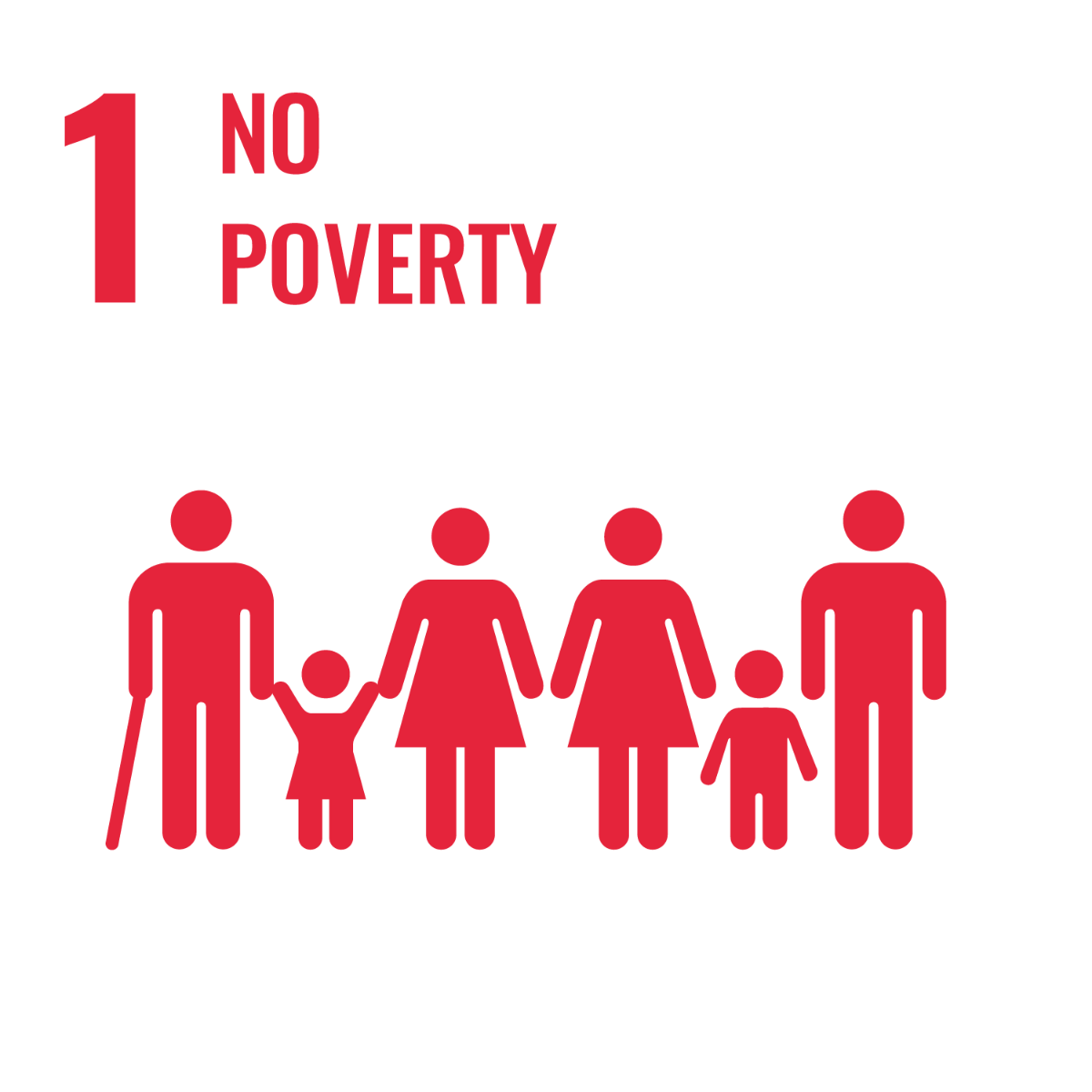
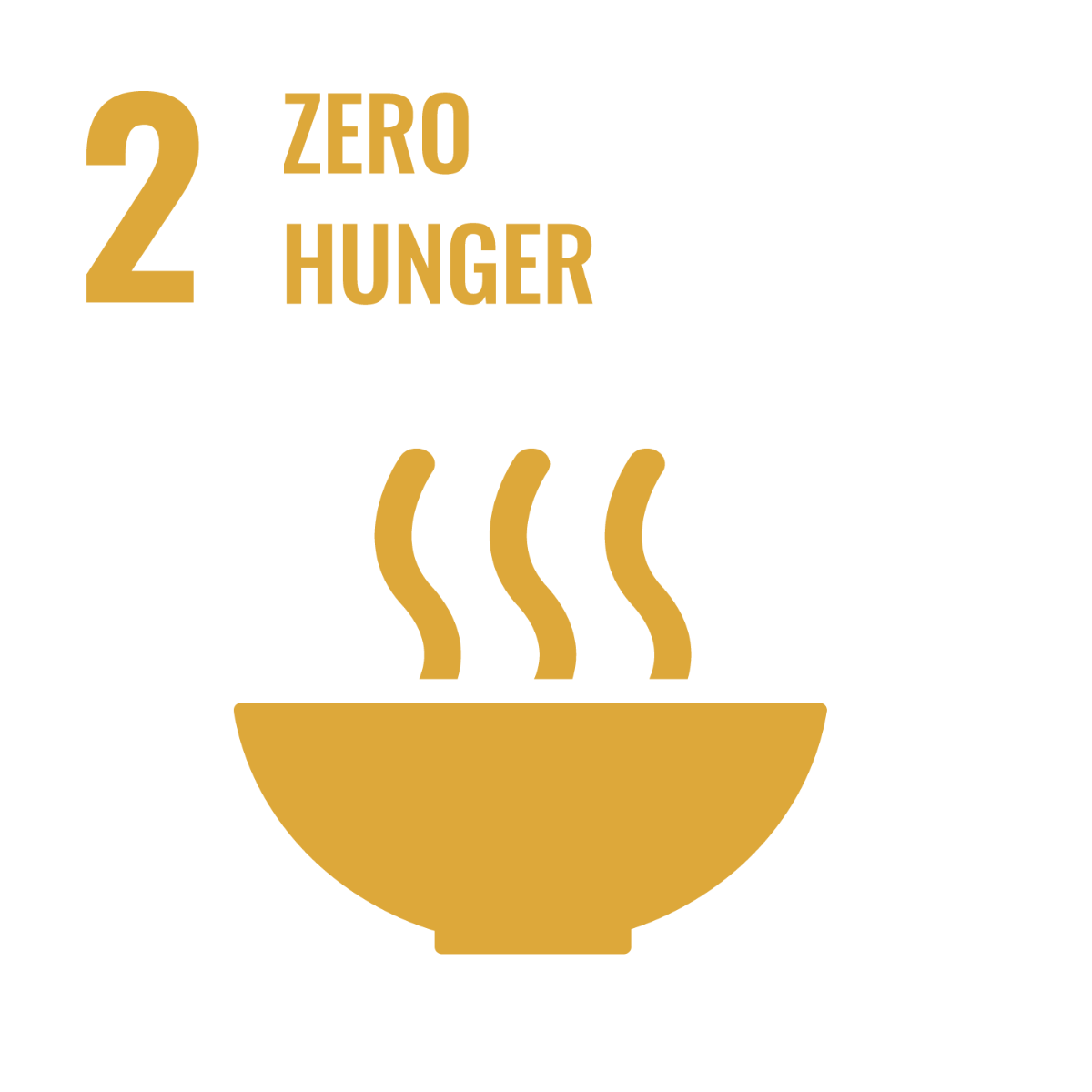
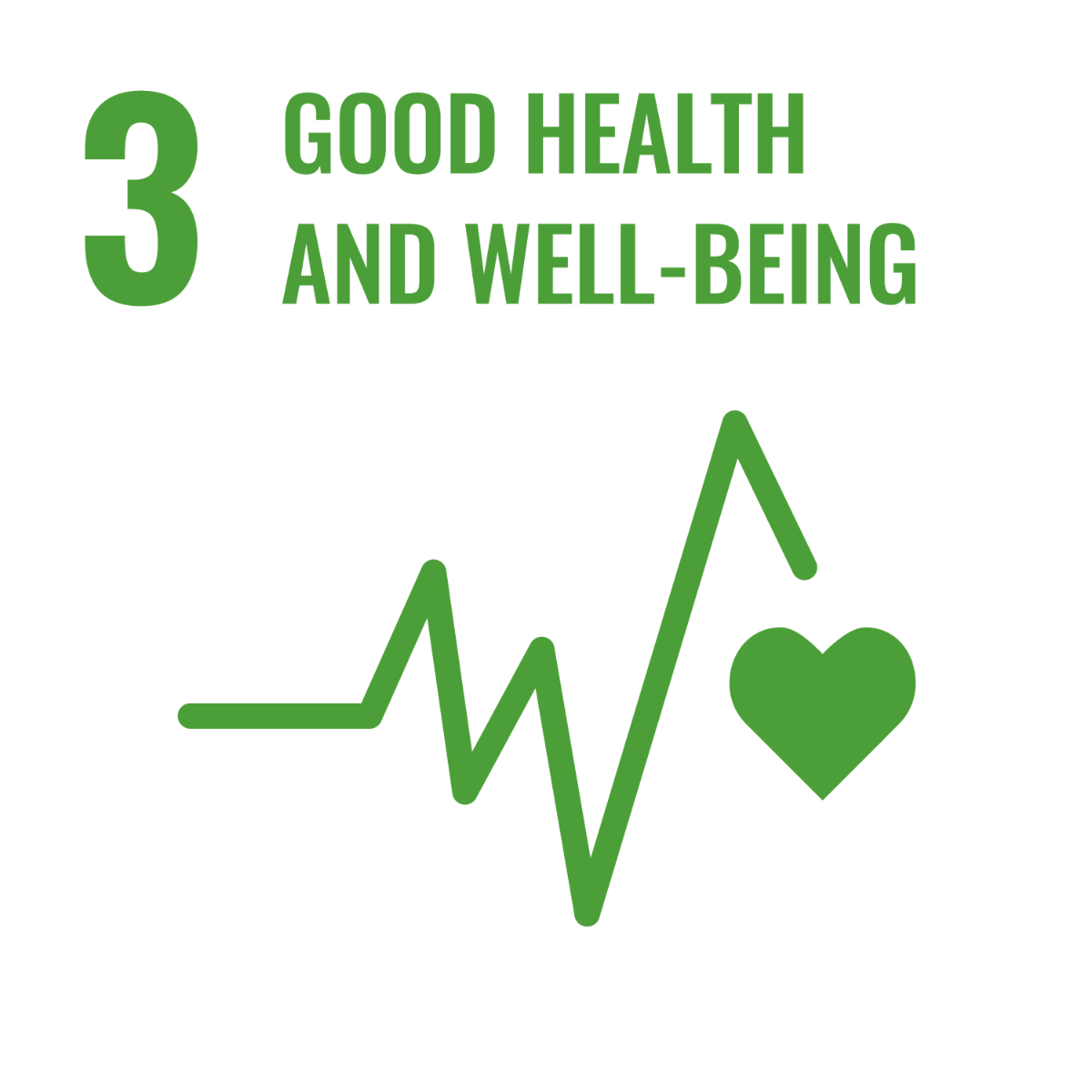


The 17 SDGs cover all aspects of societal development, working towards:
- Eliminating poverty and hunger
- Promoting good health and well being
- Providing quality education to all
- Promoting gender equality
- Ensuring access to clean water and sanitation
- Affordable clean energy
- Decent work and economic growth
- Improving industry
- Innovation and infrastructure
- Reducing inequality
- Building sustainable cities and communities
- Promoting responsible consumption and production
- Taking climate action
- Protecting life below water and life on land
- Maintaining peace and justice through strong institutions and establishing lasting partnerships to achieve these goals for all.
The thirteenth goal covers climate action and is perhaps the most important goal for workplaces looking to improve their business and sustainable development goals strategy. It covers environmental sustainability and climate action, making it clear that we all have a role to play in tackling climate change and minimising damage through impact reduction.
‘Goal 13: Climate Action’ sets out the following targets:
- Strengthen resilience and adaptive capacity to climate-related hazards and natural disasters in all countries
- Integrate climate change measures into national policies, strategies and planning
- Improve education, awareness-raising and human and institutional capacity on climate change mitigation, adaptation, impact reduction and early warning
- Implement the commitment undertaken by developed-country parties to the United Nations Framework Convention on Climate Change to a goal of mobilizing jointly $100 billion annually by 2020 from all sources to address the needs of developing countries in the context of meaningful mitigation actions and transparency on implementation and fully operationalize the Green Climate Fund through its capitalization as soon as possible
- Promote mechanisms for raising capacity for effective climate change-related planning and management in least developed countries and small island developing States, including focusing on women, youth and local and marginalized communities
The UN Global Compact
In order to support businesses across the world in helping to reduce their environmental impact and acheive the SDGs by 2030, the UN Global Compact set out principles for all businesses to take into account. These include efforts to improve businesses’ protection of human rights, prevent corruption, and prevent environmental harm. The key principles on environmental sustainability are:
- Principle 7: Businesses should support a precautionary approach to environmental challenges.
- Principle 8: undertake initiatives to promote greater environmental responsibility.
- Principle 9: encourage the development and diffusion of environmentally friendly technologies.

The UN Global Compact offers detailed guidance and support for organisations looking to set and integrate sustainable business development goals to support achieving the SDGs.
Their key tips for corporate goal setting and strategy are:
- Focus on issues that are strategically important to your company: Start with where you believe the company has the most significant impact and where important business opportunities exist. This may mean going beyond operational boundaries. For example, you may want to set goals related to your supply chain or product use.
- Set stretch goals: This means setting some ambitious goals, even if you don’t yet know how to achieve them. This will stimulate innovation, investments, positive engagement and, ultimately, performance. Leading companies are setting science-based targets, defined by what the external world requires, rather than by what seems easily achievable.
- Connect your goals to your business strategy: Link each sustainability goal to how it will support revenue generation, productivity and/or risk management.
- Ensure support and ownership: You will need to secure and maintain broad organisational support for your company’s sustainability goals. This includes internal and external support, both from the top down and bottom up.
Another resource to support you is the Gold Standard, a carbon offset programme aligned with the SDGs committed to supporting businesses across the world in introducing effective sustainable business goals and strategy.
Want to know more? Our knowledge base provides expert guidance and tips for businesses on environmental sustainability:
Need more information about sustainability in first aid and the medical sector? Check out these articles:
- How Sustainable is Your First Aid Kit
- Is it Possible to Have a Zero Waste First Aid Kit?
- How to Make an All Natural First Aid Kit
- How to Clean and Reuse First Aid Items
- How to Dispose of Used or Out of Date First Aid Supplies
- Sustainable Solutions to Plastic Use in Healthcare
- How Are Plastics Recycled in Healthcare?
- Ways to Reduce Plastic Waste in Hospitals
- Material Replacements for Plastic in the Healthcare Sector
Simplify Workplace First Aid
Interactive Online Guide & Downloadable Brochure
Simplify Workplace First Aid
Interactive Online Guide & Downloadable Brochure
Choose the format that works for you: check out our Workplace First Aid Interactive Online Guide or download our 2-in-1 Workplace First Aid & Advanced Life Support Buyers Guide as an easy-to-save PDF. Both include a self-assessment, product details, and comprehensive training and support.
Please enter your details into the form below along with any questions or comments and a member of our team will be happy to provide you with more information:
Visit our
Personal First Aid Online Guide
Find everything you need, from first aid kits, plasters & bandages to hot & cold therapy.