
What Goes in an Emergency Birth Kit?
Thankfully, only a very small number of women go into labour and give birth in a place that wasn’t part of their birth plan. But it does happen. When it comes to childbirth, being over-prepared is never a regret. If having an emergency birth kit ready means keeping an expectant mother’s worries at bay, it’s definitely worth it. Birth kits combine some maternity hospital equipment list items as well as everyday things you can find in the shops.
The maternity equipment found in an emergency birth kit is really nothing complicated, so putting one together is very straightforward. Read on for a concise maternity equipment list of items to include in yours, plus a list of things expectant mothers should put in their bag, ready to go when it’s time to go to the hospital.

Visit our
Personal First Aid Online Guide
Find everything you need, from first aid kits, plasters & bandages to hot & cold therapy.
Emergency Delivery Kit List
A phone and power bank with a charging cable. Your birth partner will need to call emergency services and get paramedics on the way to your location. They will also need a professional to talk them through the steps of delivering a child.
A shower curtain and supply of clean bed sheets. Layer a shower curtain and a clean bedsheet on a bed, sofa, or the floor to create a birthing area.
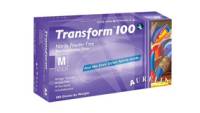
Disposable gloves. Your birth partner will need to wear gloves to prevent passing bacteria from their hands to you when delivering the baby. This will also protect you from direct contact with body fluids.
Antibacterial soap. Your partner will need to have clean hands when assisting you with delivery. Ensure you have some antibacterial soap ready to wash your hands before and after using disposable gloves.
Hand sanitiser. You might need to consider the possibility of being far from clean running water. Keeping some hand sanitiser in your kit means your partner can clean their hands regardless of access to a sink with soap and water.
A collection of clean, dry towels. Use a towel to dry off the baby after skin-to-skin contact with the mother. Another towel should be used to wrap the baby up and keep them warm. Towels are also useful for soaking up fluids, so it’s good to have a few ready.
A bulb syringe. The baby’s airways could be congested when it’s born, and you may need to use a bulb syringe to clear them. If you are being talked through delivery, the call handler will tell you how to check the airways and how to use the bulb syringe if you need to. St John’s Ambulance explains how to do a primary survey for a newborn baby, including checking the clear airways.
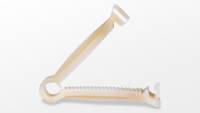
Umbilical cord clamps and umbilical cord scissors. You might need to cut the umbilical cord if you know help won’t arrive for a long time or if the call handler helping guide you through delivery has told you to. Keeping a set of clamps and scissors in your kit is a great idea, just in case. The clamps and scissors we sell are part of the equipment used in maternity wards in real hospitals. You can also use shoelaces and normal scissors in a pinch.
Rubbing Alcohol and cotton wool balls. Use isopropyl alcohol to sterilise tools such as your scissors and clamps to clean the umbilical cord, and sanitise your hands in a pinch.
Waste disposal bags. Following birth, the afterbirth will need to be checked by a medical professional to ensure it is intact. When the afterbirth comes out, place it in a waste disposal bag and tie it shut to take it with you. Once the mother is ready, move her off of the sheet and shower curtain, roll them up and place them in a bag along with any used towels to take with you too.
Simplify Workplace First Aid
Interactive Online Guide & Downloadable Brochure
Simplify Workplace First Aid
Interactive Online Guide & Downloadable Brochure
Choose the format that works for you: check out our Workplace First Aid Interactive Online Guide or download our 2-in-1 Workplace First Aid & Advanced Life Support Buyers Guide as an easy-to-save PDF. Both include a self-assessment, product details, and comprehensive training and support.
Steroplast’s Emergency Maternity Kit
Our Emergency Maternity Kit is a good way to ensure you have all these essential items ready in just one click. Order from our website, and we’ll deliver straight to you.
What’s in this kit?
- Absorbent square
- Baby fleece blanket
- Disposable towel
- Maternity pads
- Blue nitrile gloves
- Umbilical cord clamps
- Umbilical cord-cutting scissors

Limited-Time Deal on Personal First Aid
20% off Steroplast Mini Burn First Aid Kits
Fast, effective treatment for common burn injuries at home, work or on the move. Includes Burnshield dressings and hydrogel sachets for immediate cooling and pain relief. Supplied in a compact plastic case for kitchens, vehicles and grab bags.
Use code BURNCARE20 at checkout.
Maternity Products List for Expectant Mothers
Preparing a go-bag at least three weeks before your due date is a good idea. Keep it close to the door or in your car, so it’s easy to grab and take with you to the hospital.
Birth plan and hospital file. If you have any medical records, it’s a good idea to keep a copy of them in your bag, just in case. Having a copy of your birth plan means you can always refer to it yourself or have it nearby if you want to talk to someone about it. Your doctors and midwives will have access to it, too, but it’s good to keep an extra copy just in case.
Clothes. You may stay in the hospital for a few days, so pack some changes of clothes to make sure you can feel fresh and comfortable. We recommend:
- Three changes of loose-fitting, breathable, comy clothes with elastic or drawstring waistbands.
- Soft, loose-fitting nightdresses or sleepwear with front openings if you plan to breastfeed.
- Three comfortable bras (nursing bras if you plan to breastfeed).
- Warm, comfy socks.
- Several changes of underwear that you don’t mind getting soiled.
- Slippers or flip-flops for walking around the ward. You can also wear flip-flops in the shower.
Breast pads. Bring a supply of breast pads to soak up excess milk and prevent your bras or clothes from getting soiled.
Maternity pads. The hospital will provide some maternity pads, but you might want to bring extra, just in case.
Toiletries. You will want to feel clean and comfortable in the hospital, so pack a bag of toiletries and cosmetics. We recommend thinking about the following.
- Toothbrush and toothpaste
- Hairbrush and hair ties
- Shower gel/soap, shampoo, and conditioner
- Washcloth
- Any medicines you take
- Contact lens solution if you wear contacts
- Lip balm
- Moisturiser
- Deodorant
Extra pillows and blankets. You will be provided with pillows and blankets, but it doesn’t hurt to bring more if you can to have the right sort for you.
Snacks and drinks. Bring some of your favourite snacks and drinks to enjoy while you’re in the hospital. You may be able to snack on things during labour, and you will likely need to eat something after the delivery. The hospital will provide food but you might want something comforting.
Please enter your details into the form below along with any questions or comments and a member of our team will be happy to provide you with more information: