
How to Remove a Plaster and Get Rid of Black Plaster Marks on Skin
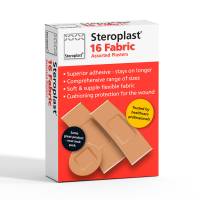
Steroplast plasters and dressing strips are known for their superior sticking capabilities. This is a great thing for our customers because they know their cuts and grazes are protected no matter what, perfect for:
- Teachers’ and parents’ peace of mind.
- Business health and safety compliance.
- Sports enthusiasts who don’t want to be held back.
- Anyone who cares about protecting their wound from infection.
In fact, Steroplast’s premium fabric plasters are so effective at staying in place that they won a Which? review of mainstream plaster brands, coming out as the #1 plaster in the UK that lasts the longest on skin.

Our plaster was put through three tests and came out on top, staying firmly over the ‘wound’ to keep it completely safe from harm or bacteria, including:
- A one-hour bath soak
- A 50-minute session on a jogger's back
- A day attached to the arm of a six-year-old
- A three-day stint, including daily showers and a 50-mile bike ride
Visit our
Plasters & Dressing Strips Guide Page
Find the perfect plaster from our extensive range, tailored to meet everyone's needs.
How to a Remove Plaster
‘How to get a plaster off’ or ‘how to remove a sticky plaster from a wound’. We get these queries a lot on account of our robust plasters. Here’s what we have to say about removing plasters easily and painlessly.
The old adage ‘rip the plaster off’ suggests that a quick and sudden motion minimises the discomfort of an otherwise drawn-out experience. But this isn’t actually a good method for plaster removal. Aggressively removing a plaster runs the risk of pulling our hairs by the root and even stripping off epidermal cells on the skin's surface.
Around a delicate, healing, or brand new layer of skin, this could cause more trauma to the site and set back healing time. It’s better to take things slowly.
How to Remove a Plaster From Skin
- Firmly grasp the edge of the plaster with your thumb and fingers. You might need to use your nail to gently lift the edge up to get purchase on it.
- Use your free hand to hold the skin behind the plaster taught. This ensures you do not pull the skin too much as you pull the plaster away.
- Gently pull the plaster back on itself.
Limited-Time Deal on Personal First Aid
20% off Steroplast Mini Burn First Aid Kits
Fast, effective treatment for common burn injuries at home, work or on the move. Includes Burnshield dressings and hydrogel sachets for immediate cooling and pain relief. Supplied in a compact plastic case for kitchens, vehicles and grab bags.
Use code BURNCARE20 at checkout.
How to Remove Plaster From Skin Without Pain
A plaster stuck to a wound, covering hairs, or just on sensitive skin can be difficult or even painful to remove. A plaster left on too long can also be stubborn to remove when the time comes. But don’t worry. There are some techniques for how to get a plaster off without hurting yourself.
Click to expand:
Simplify Workplace First Aid
Interactive Online Guide & Downloadable Brochure
Simplify Workplace First Aid
Interactive Online Guide & Downloadable Brochure
Choose the format that works for you: check out our Workplace First Aid Interactive Online Guide or download our 2-in-1 Workplace First Aid & Advanced Life Support Buyers Guide as an easy-to-save PDF. Both include a self-assessment, product details, and comprehensive training and support.
How to Remove Sticky Plaster Residue From Skin
If you’ve employed one of the methods above for plaster removal, where the adhesive has been softened, you may find some sticky residue on your skin. This is generally nothing to worry about, but it can be inconvenient and uncomfortable.
If you’re removing a plaster because of a suspected plaster allergy, you’ll want to ensure all of this adhesive is gone because it’s the adhesive which causes the allergy. Here’s our recommendation for how to remove plaster marks from skin and how to get plaster glue off skin.
The best way to remove plaster residue is with rubbing alcohol. The alcohol breaks down the glue and helps to shift it from the skin. Soak a cotton wool ball in rubbing alcohol and press it to your skin for a minute before using the ball to rub and wipe away the residue gently. You can also use an alcohol wipe to do the same as above.
Alcohol can dry out your skin, so it’s a good idea to rinse and apply some moisturiser to the area afterwards. If you don’t want to use alcohol, you can try baby oil or coconut oil, which have been said to have a similar effect. Otherwise, you can use a warm water soak and a warm flannel to remove the residue, although this will take longer.
Check our blog for more useful guides and advice on plasters.
Limited-time Offers
Save £105 on DefibSafe 3 Cabinets
Discounts on Industry-Leading Defibrillator Cabinets
Please enter your details into the form below along with any questions or comments and a member of our team will be happy to provide you with more information:
Steroplast plasters and dressing strips are known for their superior sticking capabilities. This is a great thing for our customers because they know their cuts and grazes are protected no matter what, perfect for:
- Teachers’ and parents’ peace of mind.
- Business health and safety compliance.
- Sports enthusiasts who don’t want to be held back.
- Anyone who cares about protecting their wound from infection.
In fact, Steroplast’s premium fabric plasters are so effective at staying in place that they won a Which? review of mainstream plaster brands, coming out as the #1 plaster in the UK that lasts the longest on skin.
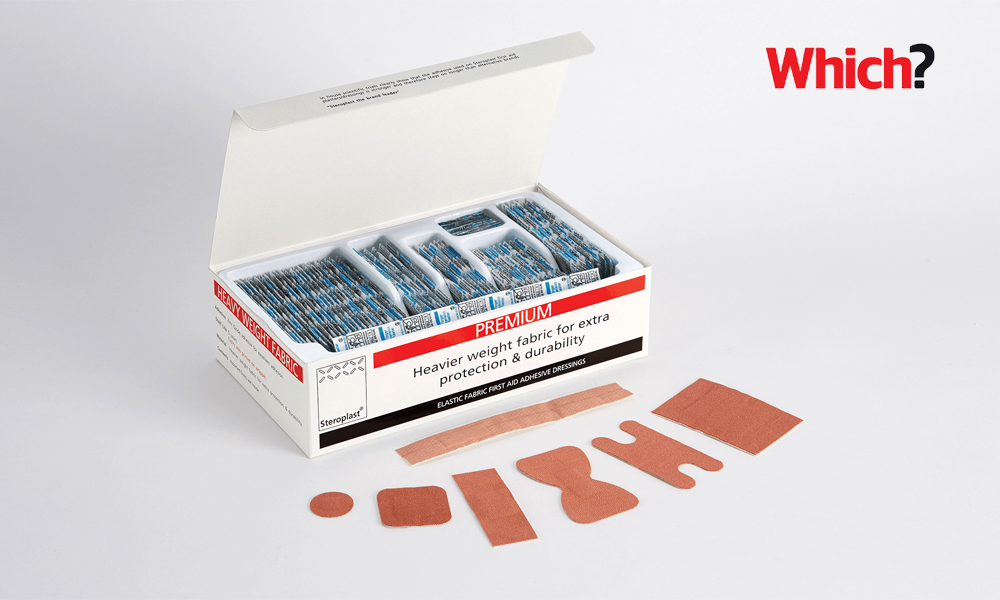
Our plaster was put through three tests and came out on top, staying firmly over the ‘wound’ to keep it completely safe from harm or bacteria, including:
- A one-hour bath soak
- A 50-minute session on a jogger's back
- A day attached to the arm of a six-year-old
- A three-day stint, including daily showers and a 50-mile bike ride
How to a Remove Plaster
‘How to get a plaster off’ or ‘how to remove a sticky plaster from a wound’. We get these queries a lot on account of our robust plasters. Here’s what we have to say about removing plasters easily and painlessly.
The old adage ‘rip the plaster off’ suggests that a quick and sudden motion minimises the discomfort of an otherwise drawn-out experience. But this isn’t actually a good method for plaster removal. Aggressively removing a plaster runs the risk of pulling our hairs by the root and even stripping off epidermal cells on the skin's surface.
Around a delicate, healing, or brand new layer of skin, this could cause more trauma to the site and set back healing time. It’s better to take things slowly.
How to Remove a Plaster From Skin
- Firmly grasp the edge of the plaster with your thumb and fingers. You might need to use your nail to gently lift the edge up to get purchase on it.
- Use your free hand to hold the skin behind the plaster taught. This ensures you do not pull the skin too much as you pull the plaster away.
- Gently pull the plaster back on itself.
How to Remove Plaster From Skin Without Pain
A plaster stuck to a wound, covering hairs, or just on sensitive skin can be difficult or even painful to remove. A plaster left on too long can also be stubborn to remove when the time comes. But don’t worry. There are some techniques for how to get a plaster off without hurting yourself.
Click to expand:
How to Remove Sticky Plaster Residue From Skin
If you’ve employed one of the methods above for plaster removal, where the adhesive has been softened, you may find some sticky residue on your skin. This is generally nothing to worry about, but it can be inconvenient and uncomfortable.
If you’re removing a plaster because of a suspected plaster allergy, you’ll want to ensure all of this adhesive is gone because it’s the adhesive which causes the allergy. Here’s our recommendation for how to remove plaster marks from skin and how to get plaster glue off skin.
The best way to remove plaster residue is with rubbing alcohol. The alcohol breaks down the glue and helps to shift it from the skin. Soak a cotton wool ball in rubbing alcohol and press it to your skin for a minute before using the ball to rub and wipe away the residue gently. You can also use an alcohol wipe to do the same as above.
Alcohol can dry out your skin, so it’s a good idea to rinse and apply some moisturiser to the area afterwards. If you don’t want to use alcohol, you can try baby oil or coconut oil, which have been said to have a similar effect. Otherwise, you can use a warm water soak and a warm flannel to remove the residue, although this will take longer.
Check our blog for more useful guides and advice on plasters.
Please enter your details into the form below along with any questions or comments and a member of our team will be happy to provide you with more information: