|
Articles by Steroplast Healthcare
Articles by Steroplast Healthcare

24 August 2022
What should be included in a pet's first aid kit?
An animal first-aid kit contains veterinary essentials that can help treat common accidents or aid in unexpected emergencies. Where some injuries require professional veterinary assistance, every pet owner should own a pet first aid kit for injuries and problems that are treatable from home, or when access to a professional isn’t available. We have put together this blog with information on the necessary items for your pet's first aid kit.

23 August 2022
Warehouse Signage and First Aid: UK Legislation Business Owners Need to Know
Like all workplaces, warehouses in the UK must follow certain rules regarding the provision of first aid and first aid signage set out in two pieces of legislation. But warehouses are classed as high-risk environments when it comes to health and safety so it’s essential that operators provide the right first aid and first aid signage.
Find out exactly what you need to know here.
22 August 2022
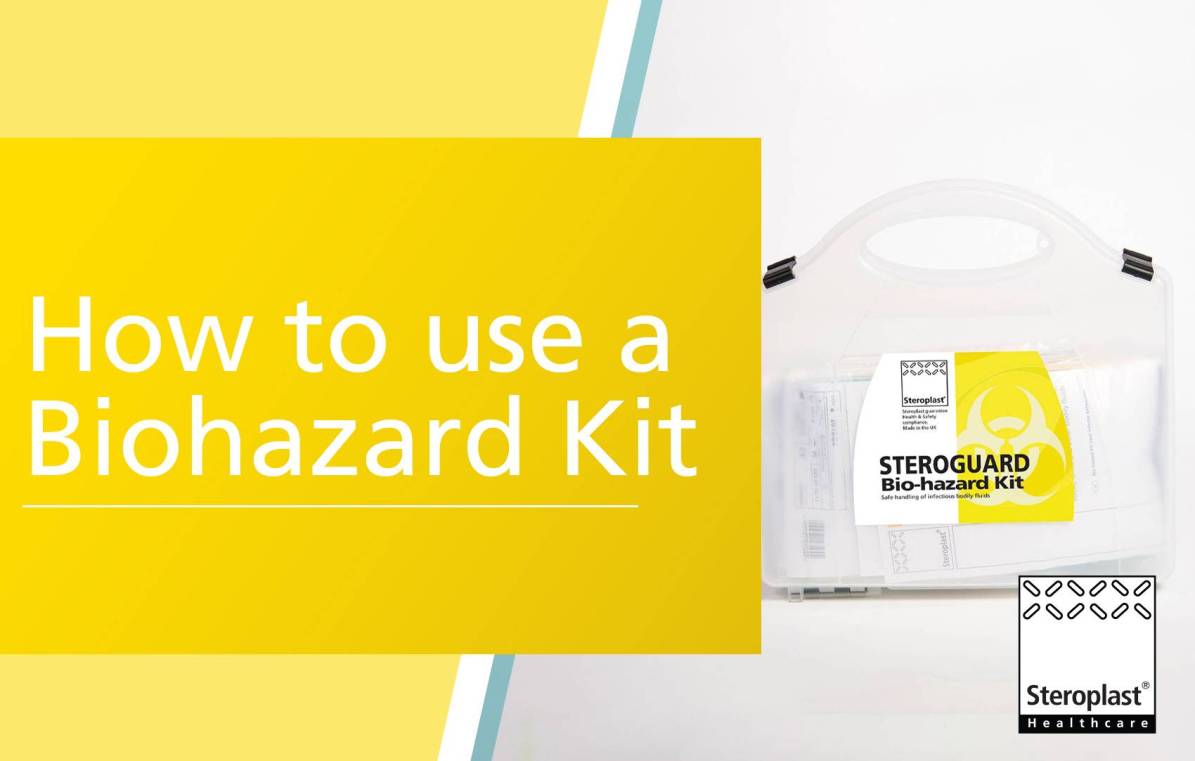
How to Use a Biohazard Kit
Having abiohazard kit to hand is the best way to be prepared for a biohazard spill situation. A biohazard kit contains everything you need to remove a biohazard and clean the affected area while keeping yourself and your staff and customers out of harm’s way. Afterwards, all materials used to clean up can be disposed of in the yellowbiohazard bag provided, meaning you don’t need to get rid of any of your own cleaning supplies and nothing is cross-contaminated.

22 August 2022
What Goes in a Yellow Biohazard Bag?
Yellow biohazard bags are designed to help us deal with high-risk, infectious material that could harm people, animals, and plants if not disposed of responsibly. Find out what should and should not go into a yellow biohazard bag here.
22 August 2022
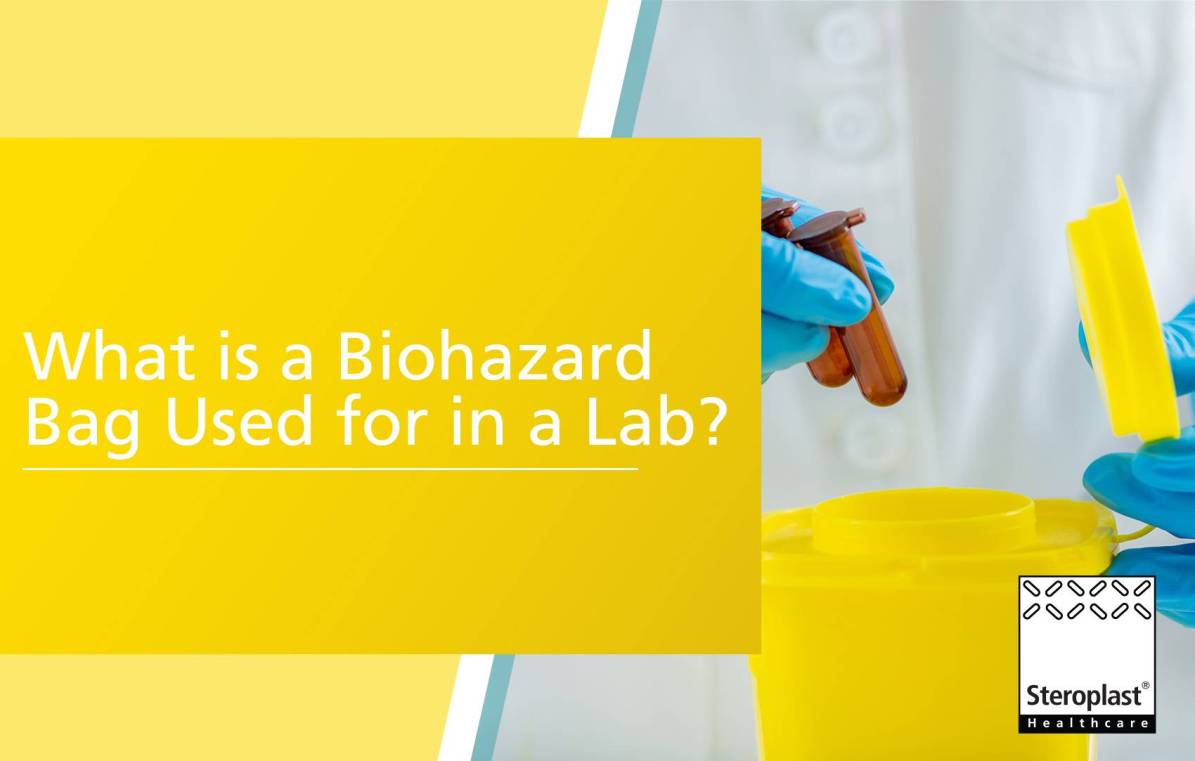
What is a Biohazard Bag Used for in a Lab?
Day-to-day operations in a medical laboratory are highly likely to involve the examination, and handling, of bodily fluids and tissues. After examination, all body fluids and tissues are classed as biohazardous waste and must be disposed of usingbiohazard waste equipment.
Samples in a lab are often there to be investigated for abnormalities. Because of this, all waste material is generally treated as potentially infectious. The upkeep of stringent cleaning and waste disposal protocols is of the highest importance to make sure everything that all biohazardous waste is removed.

17 August 2022
All About Blue Plasters
Why do chefs wear blue plasters? We cover the reasons why blue plasters are used in food preparation, including UK food hygiene laws and the best blue plasters to buy.

17 August 2022
All About Hydrocolloid Plasters
We cover everything you need to know about hydrocolloid plasters and their many features and functions. We’ll answer the questions - should you put a plaster on a burn blister? How do you put a plaster on a burn? And how do hydrocolloid plasters work?

16 August 2022
How do Infrared Thermometers Work?
To people who haven’t seen them before, infrared thermometers might look like something straight out of an episode of Dr Who. It’s no wonder some people are hesitant about the safety of using an IR thermometer. But infrared thermometers are far more hygienic than oral, axillary and rectal thermometers, and tend to be more accurate too, provided you use a CE Certified unit.
We’ll go through how infrared thermometers work in this article.

16 August 2022
How to Use a Non-Contact Infrared Thermometer
Non-contact thermometers have become an essential component of an infection control plan for many businesses. But lack of knowledge about how to use an infrared thermometer with a laser pointer correctly could mean you’re recording temperatures wrong, making your efforts futile.
Follow this guide, or show it to your staff, for how to use a non-contact forehead thermometer correctly.

15 August 2022
All About Blister Plasters
Do blister plasters work? We explain why they’re the best choice for uncomfortable blisters, how they work, and how to apply and remove them for the best results.