Conforming Bandage Use: A Guide
Are you wondering what a conforming bandage is, or what it’s used for? We cover all the information you need including a definition, a discussion of conforming bandage uses, and how to apply one.
Simple guide on how to use tubular finger bandage with applicator so you can make sure you’re dressing finger wounds safely and with ease.
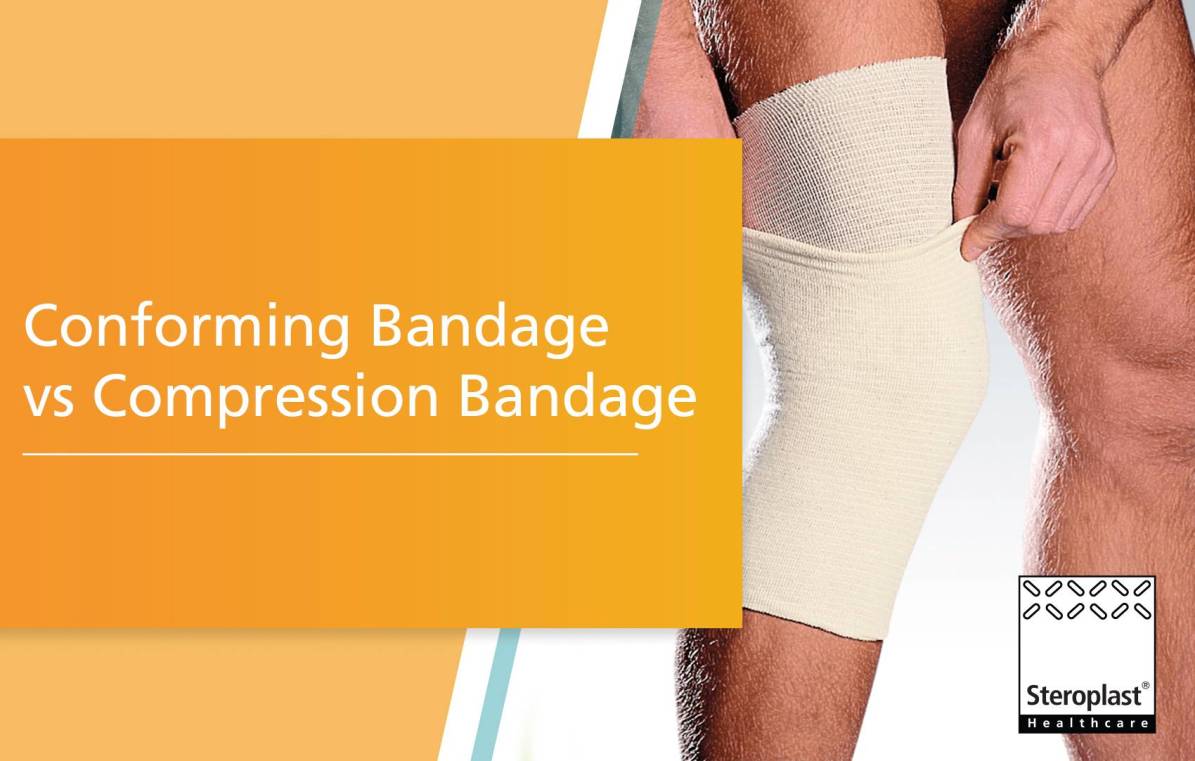
We compare conforming bandages with compression bandages to help you decide which one you need.
Is a conforming bandage the same as a crepe bandage? We compare these popular bandages to help you decide which one is best for you.
The 2017 Manchester Arena attack killed 22 people and left hundreds injured, encouraging a new anti-terror legislation (Martyn’s Law) to increase the security measures in public places and venues going forward. Read this article to learn more about how this will change the future of venue security and how you can prepare your business for the new legislation.
In response to recent terror attacks, including the Manchester Arena Bombing, the National Counter Terrorism Security Office, in collaboration with medical experts, has launched a Public Access Trauma (PAcT) First Aid Kit. The kit is designed to support members of the public with first aid for terrorism-related injuries when emergency services aren’t nearby.
In this article, we’ll cover exactly what you need to do as a business owner or operator to prepare a first aid response for a terror attack.
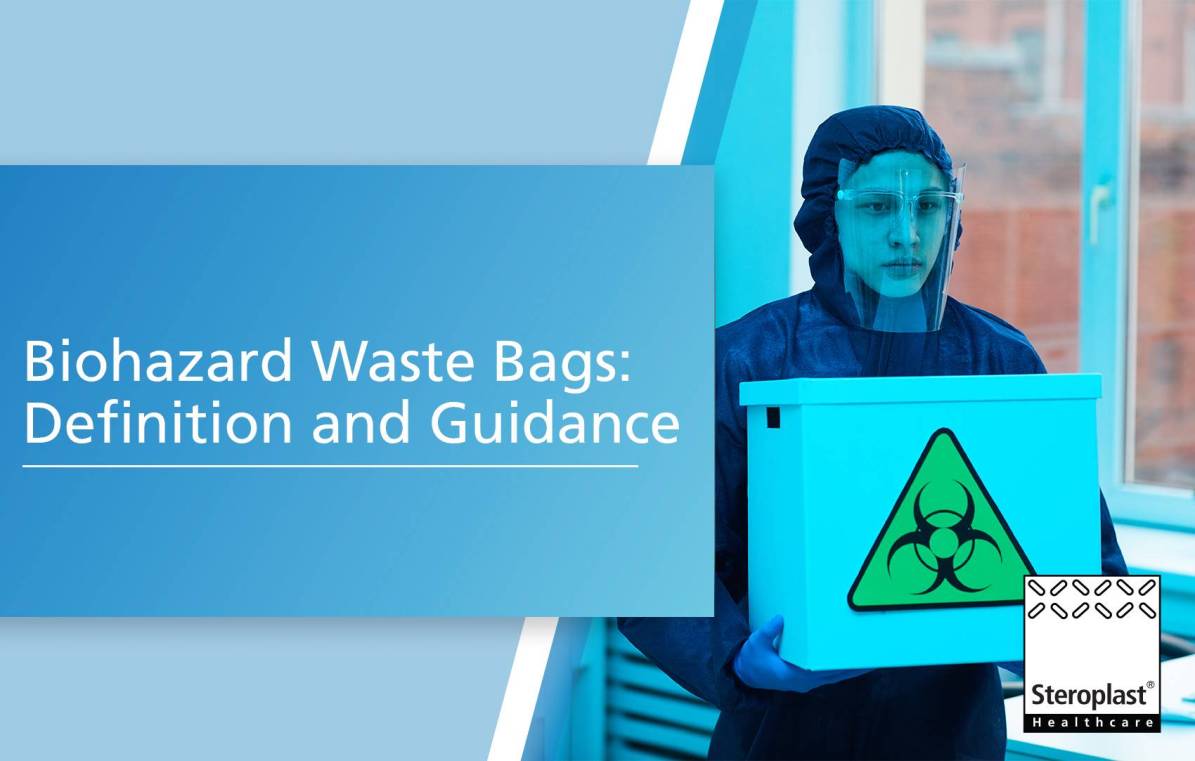
Biohazard waste bags are important for making sure that potentially dangerous waste material is disposed of properly and doesn’t end up hurting people, animals, or the environment. If you run a business in the UK you have a duty of care to responsibly dispose of biohazardous waste, otherwise, you could be fined or prosecuted.
In this article, we clarify what a biohazardous waste bag is used for and who needs to use them.
In 2021, we’ve become accustomed to checking our bags for our face masks or grabbing one before leaving the house in the morning, and with good reason. Face masks have been scientifically proven to stem the spread of Covid-19 by reducing the number of infectious moisture droplets transmitted between people through coughing, sneezing, talking, and exhaling.
In a study published by Scientific Reports, participants wearing a surgical mask or KN95 mask were found to emit 60% fewer airborne particles than those who didn’t wear one. Wearing a mask is proven to reduce particle transmission, but in order to achieve the most effective protection, different types of masks are required in different situations.
In this article, we’ll explain what different types of masks are used for, and what harmful materials masks can protect against.

Is hand sanitiser effective? The question is on everyone’s minds while we each do our part to overcome Covid-19. When asking ‘does hand sanitiser work?’ the answer depends on what you’re trying to achieve. For many people, the primary objective of using hand gel is to prevent cross-contamination of the Covid-19 virus. The truth is that hand sanitiser is highly effective at killing bacteria, fungi, and other viruses too.
Dermatophytosis, otherwise known as Ringworm, is a fungal infection that can attack the fur and skin of dogs and cats. Ringworm has a high infection rate because of how easy it is to pass through contact but also fomites. Manhattan Cats found that “50% of people exposed to infected cats develop ringworm lesions and that in approximately 70% of all households with an infected cat, at least one person became infected.”