|

Articles by Steroplast Healthcare
Articles by Steroplast Healthcare
22 May 2022
Eye Injury First Aid: What to do in an Emergency
Our bodies protect our eyes in several different ways so that dust, debris, and bright lights don’t damage them. But despite the complex make-up of the eye, it can be easily damaged if it comes into contact with a foreign object or substance.
In this article, we’ll cover the basics of eye wound first aid and what to do in an emergency at work.

21 May 2022
Eyewash Stations: Resources for Businesses
Business owners have a ‘duty of care’ to put measures in place that protect their staff from harm. If your business is found to lack eyecare provisions where needed, you could face a fine or even prosecution.
Don’t wait until it’s too late to find out you don’t have the right eye first aid supplies. Read this guide to find out how to comply with UK first aid regulations and keep your staff safe.
20 May 2022
What is Eyewash? What is it used for?
When the eye is contaminated with a harmful chemical or foreign object, it must be washed out as quickly as possible in order to reduce irritation and the likelihood of injury or infection.
Eyewash is used to safely clean the eye membrane and prevent irritation or injury from occurring or getting worse until medical attention can be given. In this article, we’ll cover exactly what eyewash solution is, and what it is used for.
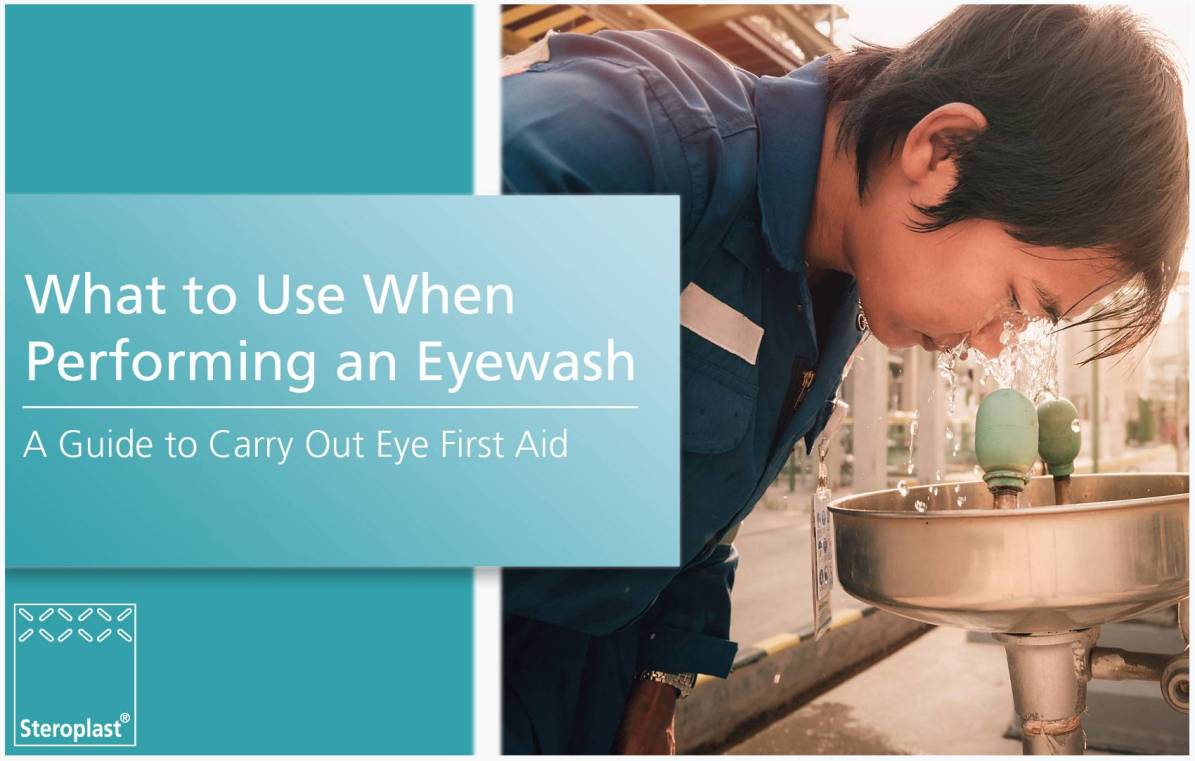
17 May 2022
Eye First Aid: Common Situations
Seconds count when someone has an eye injury, whether they’ve been splashed with rubbing alcohol, or a splinter of wood found its way into the eye, the longer the contaminant is left untreated, the more chance it has of spreading, burning, or scratching the delicate eye membrane.
In this article, we’ll cover quick-fire advice for specific eye injury queries.

11 March 2022
Veterinary Hazards: Staff Safety in Clinics and Practices
Veterinary practices are more high risk than other types of workplaces like offices and shops. Hazardous waste, prescription medicines, unpredictable animals, and exposure to pathogens are potentially daily occurrences for veterinary nurses and other staff working in the clinic.
As the owner, manager, infection control nurse, or health and safety officer of a veterinary practice, it’s your responsibility to identify hazards and potential hazards to take reasonable steps to keep people on the premises safe, in accordance with the Health and Safety at Work etc Act 1974.
Here are some of the main hazards you should be aware of in a veterinary practice.

8 March 2022
Conforming Bandage Use: A Guide
Are you wondering what a conforming bandage is, or what it’s used for? We cover all the information you need including a definition, a discussion of conforming bandage uses, and how to apply one.

8 February 2022
How to Use Tubular Finger Bandage With Applicator
Simple guide on how to use tubular finger bandage with applicator so you can make sure you’re dressing finger wounds safely and with ease.
8 February 2022
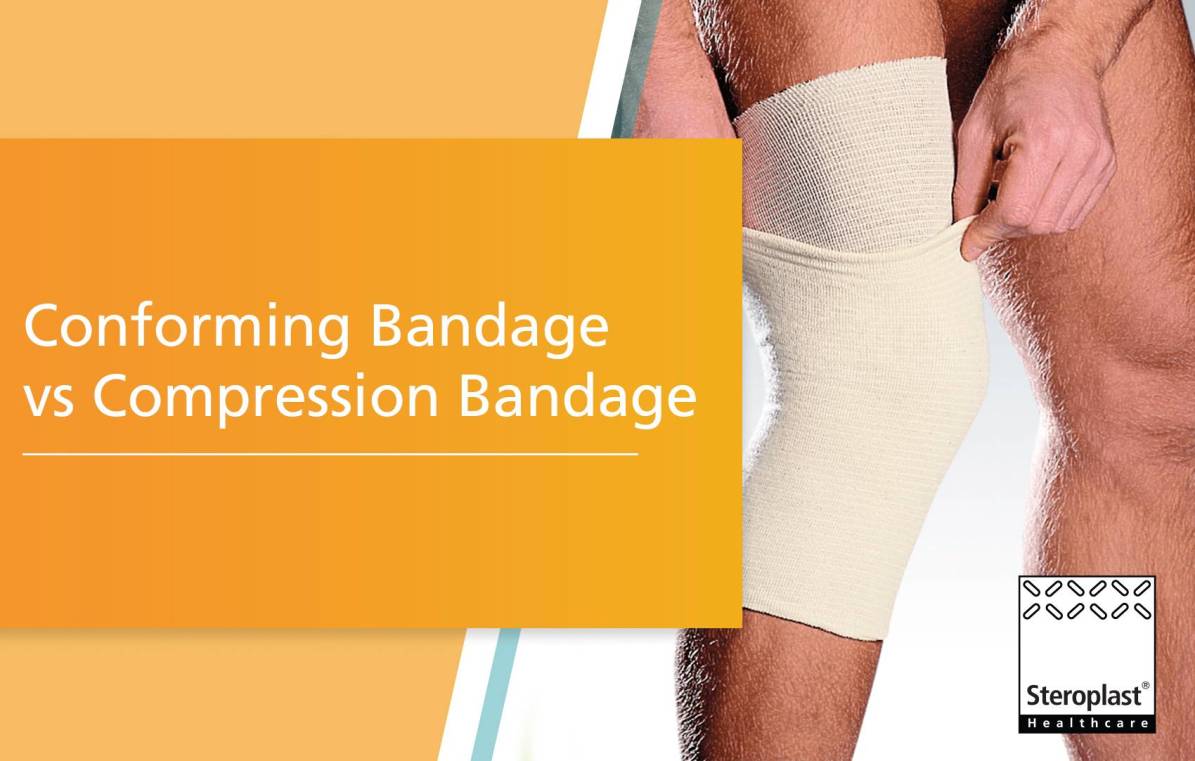
Conforming Bandage vs Compression Bandage
We compare conforming bandages with compression bandages to help you decide which one you need.

8 February 2022
Conforming Bandage vs Crepe Bandage
Is a conforming bandage the same as a crepe bandage? We compare these popular bandages to help you decide which one is best for you.