Knowledge Base

The 3 Aims of First Aid in Animals and The Law
22 August 2021

The 3 Aims of First Aid in Animals and The Law

Pet first aid can be carried out by anyone when there is an emergency. If you are a pet owner and your pet is in a critical condition you might be able to keep things under control until you can get the animal to a vet, significantly increasing the animal’s chances of recovery and survival. 

But there are some things that only a vet is qualified to do, and some things that are against the law unless you are a licensed vet. In this article, we’ll go through the three aims and four rules of animal first aid, and what can and cannot be done to help an animal if you are untrained or unlicensed.

Veterinary Infection Control Guidelines and Best Practices
17 August 2021

Veterinary Infection Control Guidelines and Best Practices

If you own or run a veterinary clinic it’s critical that your whole team is aware of hygiene and infection control guidelines and best practices to ensure you are meeting the RCVS Practice Standards Scheme criteria. This will help you to demonstrate that you’re taking the right level of responsibility to keep your staff, clients, and patients safe. 

The Royal College of Veterinary Surgeons is the UK governing body on best practices in the veterinary sector. Download their extensive audit of infection control best practices for a thorough understanding of what needs to be considered. Here, we’ve covered the basic essentials.

A Guide to Disposable Face Mask Types
16 August 2021

A Guide to Disposable Face Mask Types

Disposable masks have become a part of our everyday life during the Covid-19 pandemic and, with the onset of winter, many people are starting to see the benefits of their ongoing use. Not only have face masks helped to stem the spread of Covid-19 indoors and in crowded places, but they help to keep those around us safe if we’re suffering from common colds too. 

In this article, we’ll look at the different types of disposable face masks and see which ones are best used in which situations.

Are Infrared Thermometers Safe?
16 August 2021

Are Infrared Thermometers Safe?

Following the surge in contactless thermometer use, some people have taken to social media to state their belief that infrared thermometers can be harmful to the people they are pointed at. One video post on Facebook depicts a conversation between a mother and dental receptionist where the mother raises concerns about what the laser thermometer will do to her children, in particular, the pineal glands in their brains.

In fact, there’s nothing dangerous about using an infrared (IR) thermometer at all, as debunked by Full Fact. We’ll explain why infrared thermometers aren’t dangerous in this article.

Common Infrared Thermometer Uses
16 August 2021

Common Infrared Thermometer Uses

The infrared thermometer has all but replaced the probe and strip thermometers as a significantly more hygienic, accurate, and adaptable alternative. Sometimes called a laser thermometer or contactless thermometer, an infrared (IR) thermometer scans sections of an object with a laser to determine its ambient temperature.

The fact that infrared thermometers do not require any physical contact makes them handy for busy doctors and nurses. There is no need to sterilise between uses or use disposable probe covers. The usability of contactless thermometers is also helpful when trying to take temperature readings in hard to reach areas. So, many engineers and catering professionals use laser thermometers to measure the temperature of equipment and produce.

So, what is an infrared thermometer used for in different industries? In this article, we’ll cover the most common uses for infrared thermometers.

Biohazard Bags Colour Coding: A UK Guide
12 August 2021

Biohazard Bags Colour Coding: A UK Guide

Waste generated by the healthcare sector is some of the most hazardous waste, including harmful chemicals and potentially infectious materials that can pose a serious risk if not handled properly. Business owners and operators are required under the Environmental Protection Act 1990 to make sure potentially harmful waste is disposed of responsibly.

Here’s our comprehensive guide to hazardous and non-hazardous waste bags for use in healthcare settings.

How Accurate are Non-Contact Thermometers?
12 August 2021

How Accurate are Non-Contact Thermometers?

It seems really simple: you point a laser at someone’s forehead and press a button. In a split second, you have a temperature reading. The simplicity of non-contact thermometers has got some people wondering how accurate they really are? 

Find out about non-contact thermometer accuracy in this article.

How to Use an AED: Steps to Follow at the Critical Moment
10 August 2021

How to Use an AED: Steps to Follow at the Critical Moment

When someone goes into cardiac arrest every second counts. You only have around 10 minutes to bring someone back using a defibrillator and CPR. An Automatic External Defibrillator (AED) can be used by anyone and comes with clear instructions to follow. You should also be given support by a 999 call handler when you call emergency services.

That said, knowing what to do beforehand and being prepared is invaluable. If you run a business, manage a team, or simply if you want to know what to do if the situation occurs, read on to find out the steps for how to use AED defibrillators.

Where are Eyewash Stations Required?
10 August 2021

Where are Eyewash Stations Required?

There are a great many situations in which corrosive materials can come into contact with the delicate eye tissue. From accidents in a laboratory to hot oil in a restaurant kitchen, damage to the eye could result in a trip to A&E or even blindness if not dealt with properly.

What Is a Biohazard Kit Used For?
8 August 2021

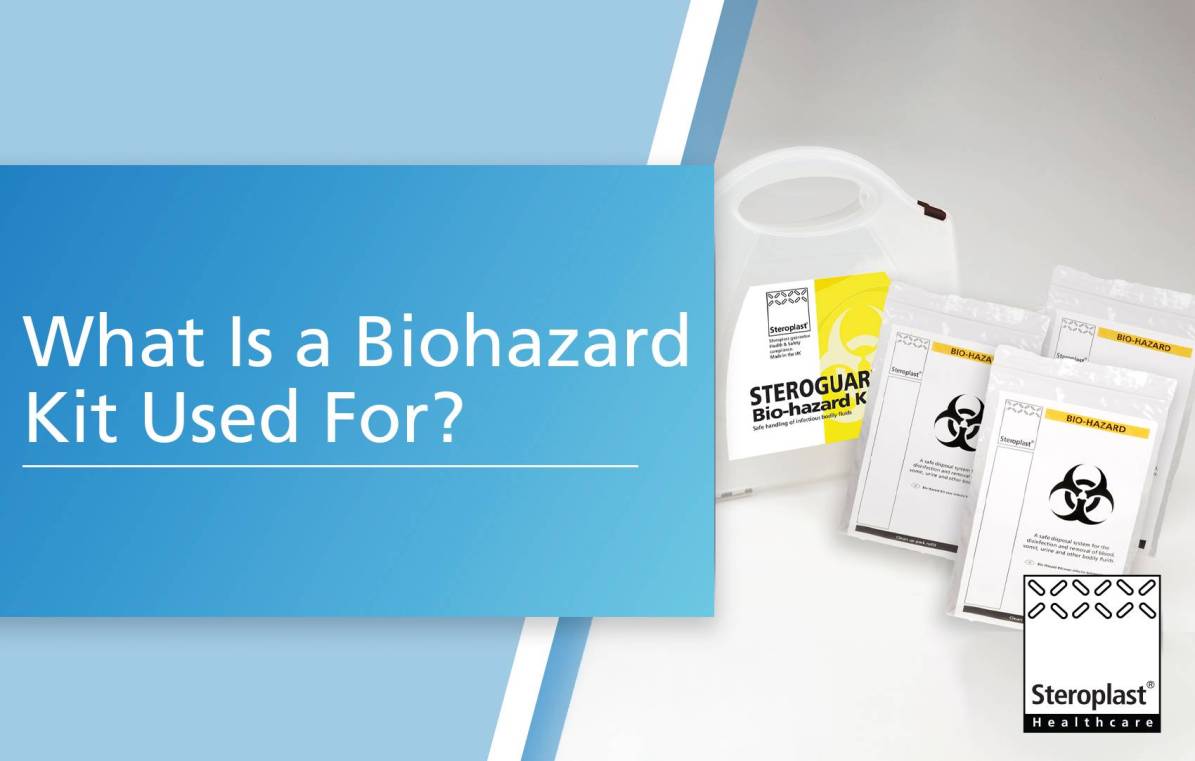
What Is a Biohazard Kit Used For?

Following the global Covid-19 pandemic, we are more aware than ever of the potential for contamination through bodily fluids and the possibly disastrous effects resulting from this. We know that simply wiping a table down with a cloth isn’t enough to remove harmful residue that can remain infectious for days.

As for disinfecting surfaces to neutralise Covid-19, a surface sanitiser is ideal. But when it comes to cleaning up more substantial biological hazards, a biohazard kit is required. A biohazard kit will allow a person to remove the biohazard and disinfect the area without leaving a trace of anything harmful. So what is a biohazard spill kit used for?