|
Articles by Steroplast Healthcare
Articles by Steroplast Healthcare

2 March 2023
Ways to Reduce Plastic Waste in Hospitals
Just 7% of healthcare plastic waste is recycled. This percentage can be increased with a few simple steps. In this article, we look at the steps to increase recycling in healthcare and how to find sustainable alternatives to plastic use.

2 March 2023
Sustainable Solutions to Plastic Use in Healthcare
Plastics are cheap to produce, hygienic, highly versatile, and durable. It’s no wonder this is the material of choice in healthcare packaging, storage, and equipment to make patient care easier and safer. But plastic waste is making an irreversible impression on our planet, so what can be done to reduce plastic use and waste? And what types of sustainable solutions are out there?

2 March 2023
How Are Plastics Recycled in Healthcare?
UK hospitals the largest producer of healthcare waste and the largest user of single-use plastics in Europe, with 11,300 tonnes of waste per day, 22.7% of which is plastic waste, that’s 2.5k tonnes of plastic waste being produced every day by UK hospitals alone. How are these plastics recycled to protect the planet?

2 March 2023
Sustainability and Safety at Work
We all want to know how to make sustainable choices in the workplace as well as at home, but where do you start? In this article, we’ll look at safety and sustainability at work and how you can make responsible, environmentally-conscious decisions while keeping your employees safe and complying with UK regulations.
2 March 2023
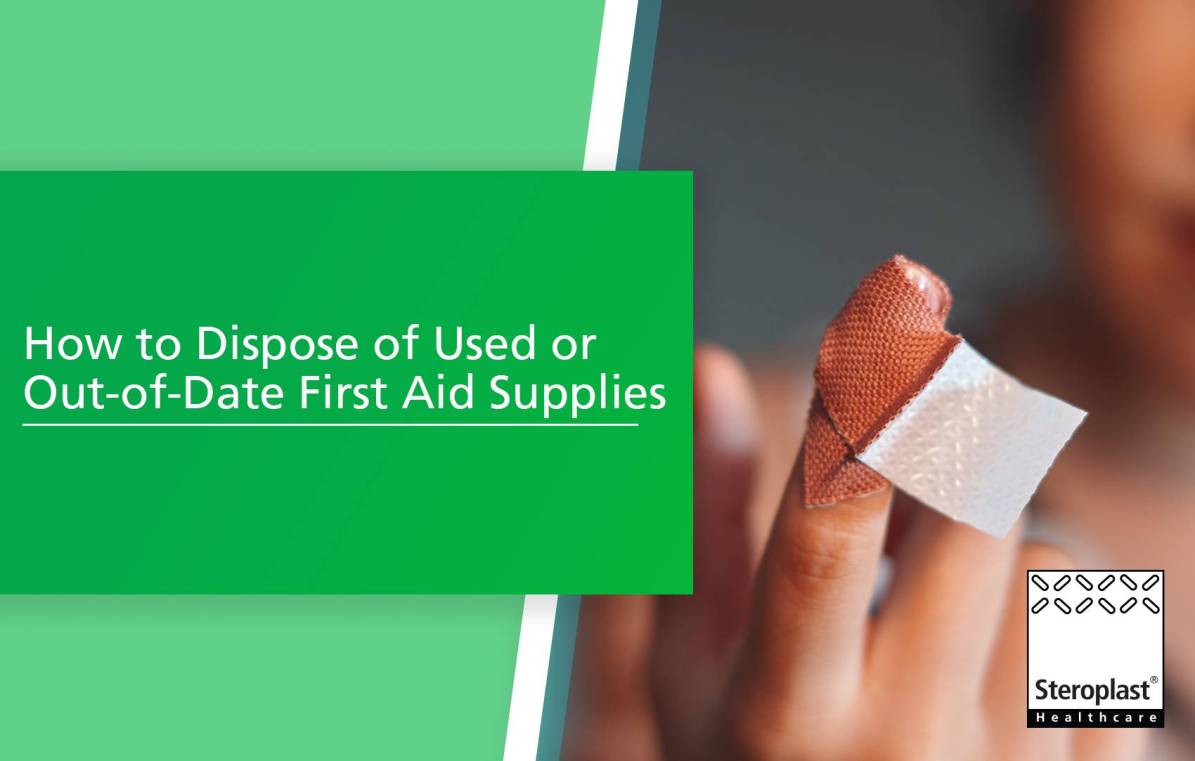
How to Dispose of Used or Out-of-Date First Aid Supplies
Do you know what to do with used or expired first aid supplies in your kit? We cover everything you need to know, keeping health, safety, and the environment in mind.
2 March 2023
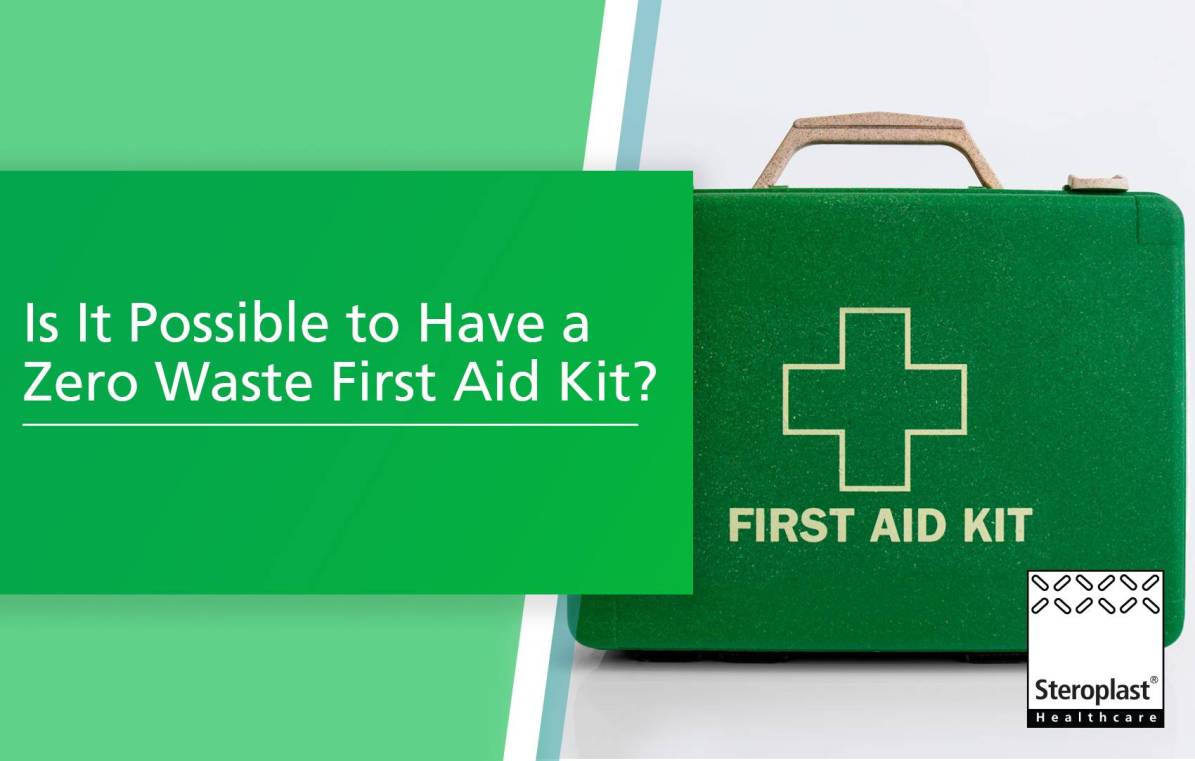
Is It Possible to Have a Zero Waste First Aid Kit?
The little plastic sachets and wrappers in first aid kits can be a niggling worry for those concerned with waste. Even if you want to reduce your plastic waste to an absolute minimum, it’s difficult when it comes to first aid. Hygiene, sterility, and degradation of quality are all issues that need to be considered, as health and safety take precedence over everything.

1 February 2023
How to Dress a Burn
All wounds can present healing complications, and burns are no different. In fact, the nature and presentation of burns often lead to a heightened risk of complications than wounds such as incisions that can be closed up easily.
1 February 2023
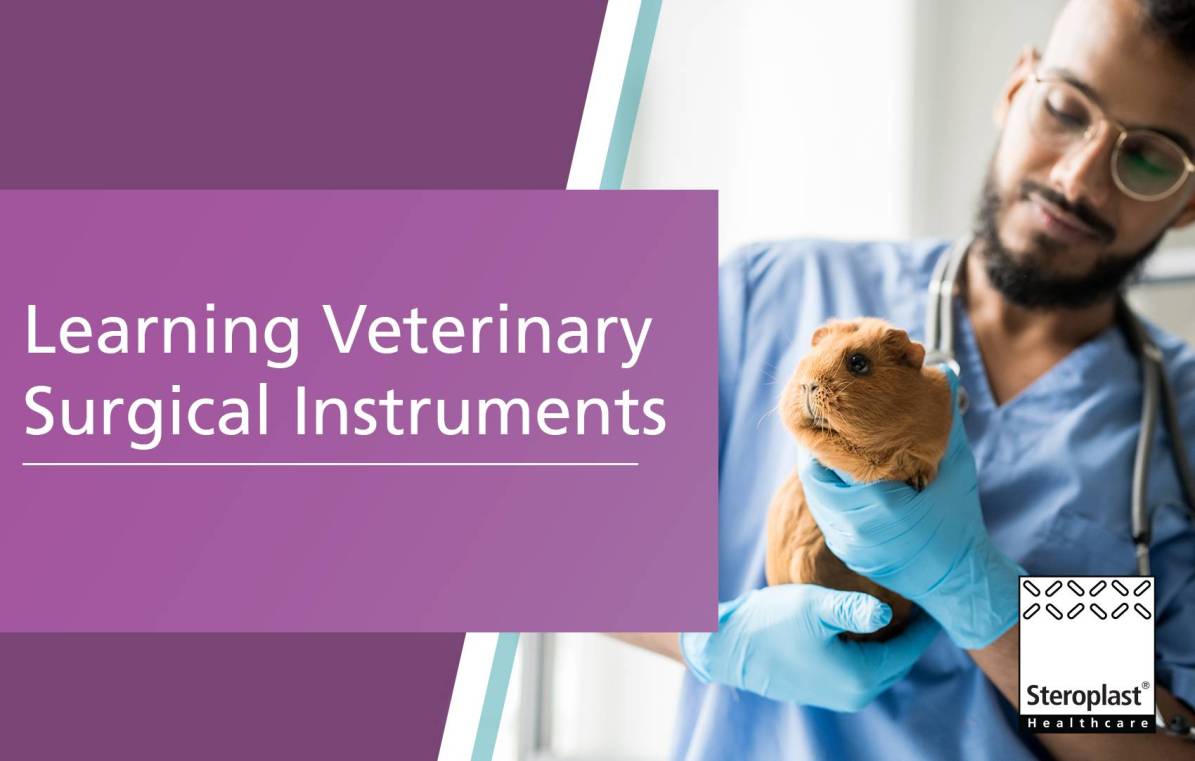
Learning Veterinary Surgical Instruments
Learning about the different veterinary surgical instruments and their uses is an essential part of academic learning for student veterinary nurses and surgeons. Here we run through the types of veterinary surgical instruments, how to clean and sterilise them, and also provide links for good revision resources.
25 January 2023
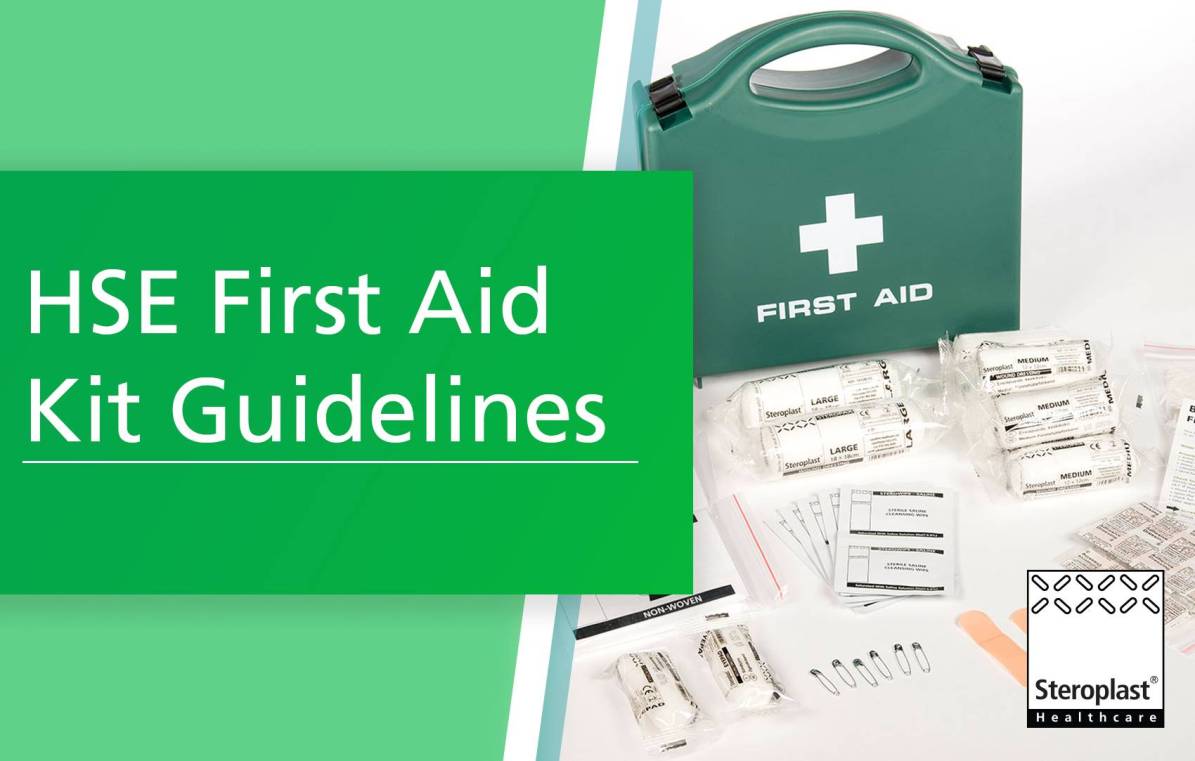
HSE First Aid Kit Guidelines
If you own a business, even if you employ just one other person, you must ensure you identify and meet any hse first aid kit regulations relevant to you. In this article, we’ll cover HSE first aid kit recommendations and what businesses need to know.

25 January 2023
How to Apply a Tourniquet
Tourniquets are generally only used by first responders and trained professionals who must provide critical first aid before a casualty gets to a hospital. There are times when untrained people might also need to use a tourniquet. In this article, we’ll teach you how to use a tourniquet so you’ll be prepared at the vital moment and know how to improvise and make one from scratch.